

What Room Sells a House?
Ask most sellers in Washington, DC which room will sell their home and the answer comes quickly: the kitchen. Matt Cheney, a Compass real estate advisor serving DC, Maryland, and Northern Virginia, sees it differently. In his experience, the room that sells a house is not always the kitchen.
What Matt Cheney points to instead is a pattern. In many showings, one room ends up setting how a buyer feels about the entire property. A buyer may walk through a dozen spaces, but the emotional verdict often forms in a single one, and the rest of the house is then judged in that light.
For sellers across Northwest DC, Chevy Chase, Bethesda, and Northern Virginia, that idea changes how a home should be prepared and presented. This article explains the thinking behind it, which rooms buyers tend to respond to, and how a seller can figure out which room is doing the heavy lifting in their own home.
Why One Room Often Shapes How Buyers Feel About the Whole House
Buyers rarely evaluate a house the way a spreadsheet would. They gather facts, such as bedroom counts, square footage, and location, but they also gather a feeling. Matt Cheney explains that there is usually one moment in a showing where the house clicks, the point where a buyer stops analyzing and starts picturing themselves living there.
That moment tends to anchor everything that follows. A buyer who connects with one space often becomes more forgiving of smaller concerns elsewhere, and more willing to see the rest of the house as part of one cohesive picture. A buyer who never has that moment may leave with a long list of reasonable observations and no real attachment.
This is why Matt Cheney encourages sellers to think less about the home as a collection of equally weighted rooms and more about where the house makes its strongest first impression and its strongest lasting one.
Three Rooms That Often Become the Deciding Space
There is no single answer that applies to every property. Matt Cheney notes that the deciding room varies from house to house. Sometimes it is the family room, sometimes the primary suite, and sometimes the outdoor space. Here is how each can work.
The Family Room
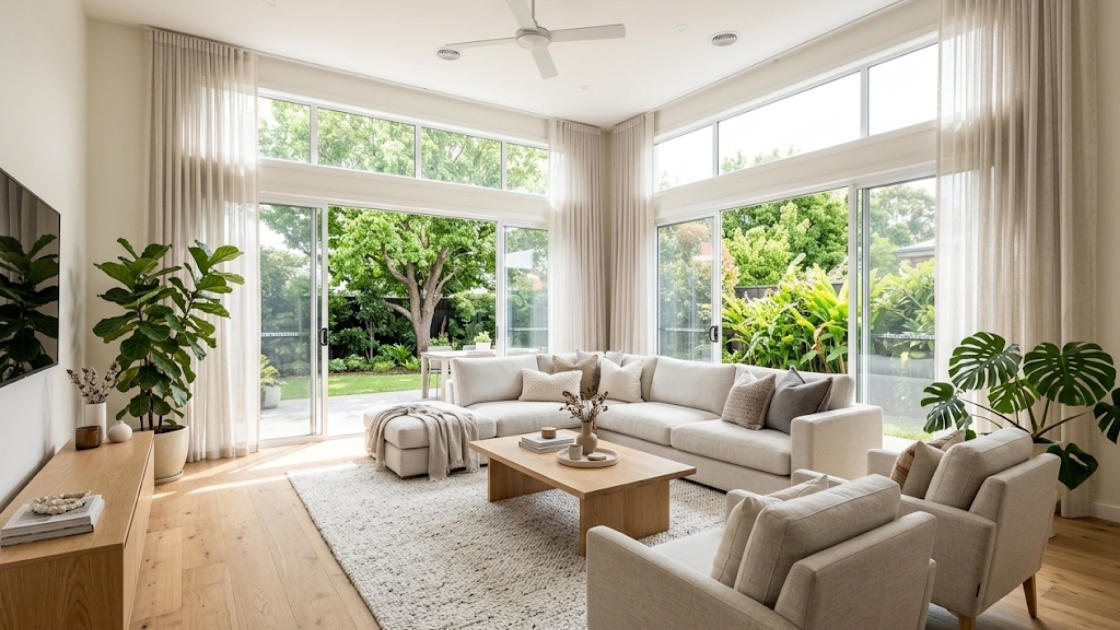
In many homes, the family room is where buyers imagine daily life happening. Natural light, ceiling height, a clear layout, and an easy connection to the kitchen or the outdoors all shape how the space feels. In an older Northwest DC colonial, a well-proportioned family room at the back of the house may be the first place a buyer slows down. In a newer Northern Virginia home with an open plan, the same role may be played by a combined living and kitchen area.
The Primary Suite
For some buyers, the primary suite is the room that decides it. A bedroom with good proportions, a considered bathroom, and useful closet space can make a home feel complete. This tends to matter in homes where the primary suite has been renovated or thoughtfully laid out, because it signals that the whole house has been cared for.
The Outdoor Space
In the DC area, outdoor space varies widely. A deck, patio, terrace, or garden can be the feature that sets one listing apart from another, especially in neighborhoods where lot sizes are generous and privacy is part of the appeal. A buyer standing on a well-kept back patio may feel the house click in a way that the interior alone did not deliver.
Matt Cheney also notes that this is not a complete list. For some properties it may be a library, a sunroom, a finished lower level, or a home office. The point is not which room it is, but that a room exists that carries the emotional weight of the sale.

How Sellers Can Identify the Room That Carries Their Home
Because the deciding room differs by property, the first step for a seller is to find it honestly. A few practical ways to do that:
- Walk through the home as a buyer would, entering through the front door and noticing where you naturally pause.
- Look at which rooms draw the most attention in listing photos and in feedback from showings.
- Ask an experienced agent where buyers have lingered or reacted most in comparable homes nearby.
- Notice which space connects best to the rest of the house, since a room that links well to others often shapes the whole impression.
Matt Cheney works with sellers on this question during listing preparation. The goal is to decide where to concentrate attention and budget, instead of spreading effort evenly across every room whether or not it influences buyers.
You may also like:
How to Prepare the Room That May Carry the Listing
Once the deciding room has been identified, preparation can be more focused. Common steps include clearing surfaces and excess furniture so the proportions of the space read clearly, improving lighting, repairing small visible issues, and making sure the room is clean and neutral enough for buyers to project their own lives onto it.
Outdoor spaces call for their own attention. Trimmed plantings, clean paving, tidy furniture, and a clear sense of how the space can be used can help a buyer understand its value quickly. In a primary suite, simple edits to bedding, storage, and bathroom surfaces can help the room feel calm and complete.
Preparation can improve buyer response, but results vary by property, price point, condition, timing, and market competition. No specific result is guaranteed.
It is also worth saying that preparation does not need to mean major renovation. In many cases, the most effective work is modest and targeted. Matt Cheney advises sellers to weigh scope against the home, the price point, the timing, and the competition in the neighborhood before committing to any larger project.
How Photos, Showings, and Listing Strategy Can Support the Key Room
Once a home has a room that carries the story, the way the listing is presented can reflect that. The lead images, the order of photos, the floor plan, and the flow of a showing can all be arranged so that buyers encounter the strongest space at the right moment.
At showings, the sequence of a walk-through can matter too. A route that builds toward the room that sells the house, rather than burying it, may help a buyer arrive at that click moment with the rest of the home already in a positive context. Matt Cheney considers this part of the broader listing strategy for each property, not a separate step.
What Buyers Can Take From This
The same idea works in reverse for buyers. If a buyer notices that one room has made them fall for a house, it is worth pausing to understand why. Is it the light, the layout, the connection to the outdoors, or the feeling of privacy? Knowing what draws them in can help buyers compare homes more clearly and decide which features are priorities and which are preferences.
It can also help buyers stay grounded. A strong emotional response to one room is a good reason to look closely at a property, and it still makes sense to evaluate the full home, the location, the condition, and the numbers with the same care. Buyers should verify any details that matter to them directly, such as school assignments and boundaries with the school system, and review current public safety data from official sources and visit at different times of day if that is part of their decision.
The Question Matt Cheney Asks
Matt Cheney returns to a simple question throughout this conversation: what room makes you fall for a house? For sellers, the answer points toward where to invest effort. For buyers, it points toward what they are really looking for. Either way, the conversation tends to start with an honest look at the house itself.
Anyone in Washington, DC, Maryland, or Northern Virginia thinking about selling or buying is welcome to contact Matt Cheney directly to talk through how this applies to a specific home.
Frequently Asked Questions About the Room That Sells a House
What room sells a house the most?
There is no single room that applies to every home. Matt Cheney explains that it is not always the kitchen. Depending on the property, the deciding space may be the family room, the primary suite, or the outdoor space.
How do I know which room in my home is the deciding room?
Look for where buyers pause, react, and linger during showings, and which room features most in listing photos. An experienced agent who knows comparable homes in your neighborhood can also help identify it.
Should I renovate the deciding room before listing?
Not necessarily. Many times, targeted preparation such as decluttering, lighting, minor repairs, and staging is enough. The right scope depends on the home, price point, timing, and neighborhood competition. The right scope depends on the home, price point, timing, and neighborhood competition, and no specific result is guaranteed.
Does the kitchen still matter when selling a home in DC?
Yes. Kitchens are important to many buyers, and for some homes the kitchen is the deciding space. Matt Cheney’s point is simply that it is not always the kitchen, so sellers should check where their own buyers respond.
Can buyers use this idea when house hunting?
Yes. Noticing which room draws a strong reaction can help buyers understand their own priorities and compare properties more clearly, while still evaluating the full home and location.
Matt Cheney | Compass Real Estate is committed to the principles of the Fair Housing Act and the Equal Opportunity Act. All real estate services are provided without regard to race, color, national origin, religion, sex, familial status, or disability.
About Matt Cheney
Matt Cheney is a top-producing real estate advisor with Compass in Washington, DC, guiding buyers and sellers across DC, Maryland, and Virginia through high-stakes moves, from luxury sales to estate settlements, downsizing, and divorce-related transactions. With over $780 million in career sales volume and 23+ years of experience, Matt is ranked in the Top 1.5% of agents nationally by RealTrends America’s Best. He is known for calm, strategic guidance and a straightforward approach to complex and sensitive real estate situations.