

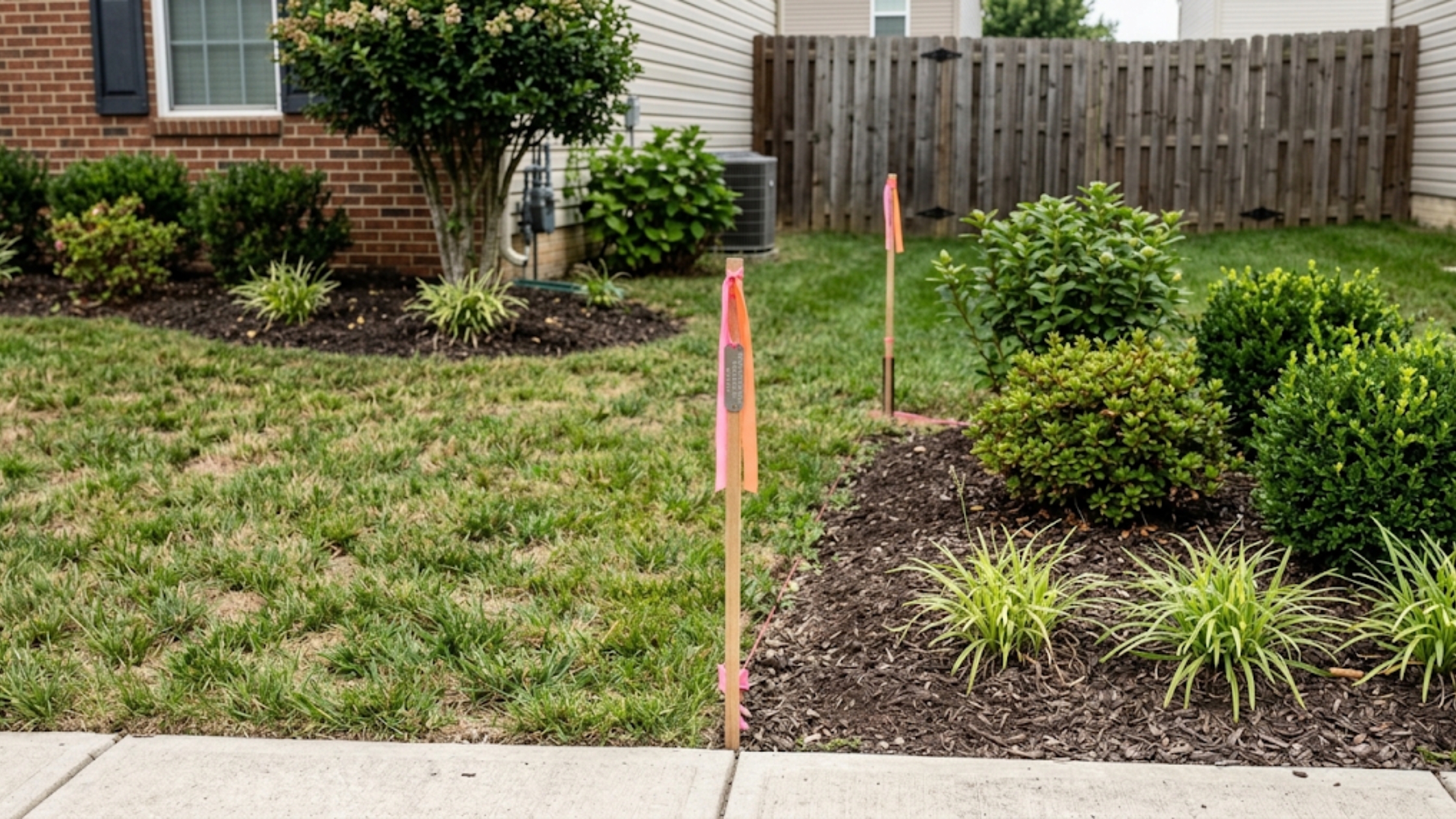
What Is an Easement in Real Estate?
An easement is a legal right that allows someone other than the property owner to use part of that property for a specific, limited purpose. Matt Cheney explains that easements come up more often than most buyers expect, and understanding them early in the process helps avoid surprises at closing.
Note: This post is for general informational purposes only and does not constitute legal advice. Buyers with questions about a specific easement or its legal implications should consult a licensed real estate attorney in their jurisdiction.
Owning a home with an easement does not mean giving up ownership of that portion of the property. It means someone else, often a utility company, a neighbor, or a local government, has a documented right to access or use part of the land for a defined reason.
Common Types of Easements Home Buyers Encounter
Matt Cheney points to a few easement types that show up regularly across Washington DC, Northern Virginia, and Maryland:
- Utility easements: Give a utility company the right to run and maintain water, electric, gas, or sewer lines through part of a property.
- Shared driveway easements: Allow two neighboring properties to use the same driveway or access path.
- Access easements: Grant the public, or a specific neighbor, the right to cross part of a property to reach a walking path, road, or landlocked parcel.
Each type comes with its own scope. An easement typically limits what the holder can do, such as maintaining a utility line, and does not usually give them broader rights over the rest of the property.
How Easements Are Discovered During the Home Buying Process
Matt Cheney notes that a property survey completed before closing is one of the most reliable ways buyers learn whether a home has an easement. A survey maps the property’s exact boundaries and typically flags any recorded easements affecting the lot. Title work performed during the closing process can also reveal easements recorded in county land records.
Because easements are legal rights tied to a specific property, buyers reviewing survey or title documents that reference an easement, right-of-way, or similar term should raise questions with their title company or a real estate attorney before closing, since the specific impact can depend on the exact language recorded for that property.
Why Easements Matter Before You Close
An easement does not automatically make a home a poor choice. Many properties throughout the DMV have one or more easements and function normally for their owners day to day. What matters is understanding, before closing, exactly what the easement covers and how it may affect future plans, such as adding a fence, a driveway extension, or an addition near the affected area.
Matt Cheney recommends buyers ask their agent or title company for a plain-language explanation of any easement noted on a survey or title report, so there are no surprises after the sale is final.
Frequently Asked Questions About Easements
Does an easement mean I don’t fully own that part of my property?
No. An easement grants a specific, limited right of use to someone else. The property owner still holds title to the land, but the easement holder can use that portion for the defined purpose, such as accessing a utility line or a shared driveway.
Can an easement be removed?
In some cases, depending on how the easement was created and the specific facts involved, removal may be possible. Because this typically involves a legal process, buyers or owners considering this option should speak with a licensed real estate attorney about their specific situation.
Will every home have an easement?
Not necessarily, but many do, especially in established neighborhoods with utility lines, shared access, or older subdivision plans. A survey and title review during the buying process will show whether a specific property has one.
How do I find out if a home I’m considering has an easement?
A property survey and a title search, both standard parts of the closing process, are the most direct ways to confirm this. Contact Matt directly for a current market analysis and guidance on reviewing disclosures or public records for a specific property you are considering.
Understanding an easement before closing is one small step that can save a buyer questions and stress later. It is a normal part of due diligence, not a red flag on its own.
Watch Matt Cheney’s full video on easements below, or visit mattsold.com to explore more buyer guidance and current market resources.
About Matt Cheney
Matt Cheney is a top-producing real estate advisor with Compass in Washington, DC, guiding buyers and sellers across DC, Maryland, and Virginia through high-stakes moves, from luxury sales to estate settlements, downsizing, and divorce-related transactions. With over $780 million in career sales volume and 23 years of experience, Matt is ranked in the Top 1.5% of agents nationally by RealTrends America’s Best. He is known for calm, strategic guidance and a straightforward approach to complex and sensitive real estate situations.
Matt Cheney | Compass Real Estate is committed to the principles of the Fair Housing Act and the Equal Opportunity Act. All real estate services are provided without regard to race, color, national origin, religion, sex, familial status, or disability.
Real estate considerations related to divorce or estate matters involve legal and financial complexities. Consult a qualified attorney and financial advisor for guidance specific to your situation.