

What Is an Easement?
Matt Cheney explains that an easement is an instrument that grants people access to a property even though they do not own it. In plain terms, the deed says who owns the land, and an easement says who else may have a right to use a portion of it for a specific purpose. The owner still owns the property, but that ownership comes with an agreement that other parties may cross, use, or reach part of it.
This is general real estate information, not legal advice. Easement rights and limits depend on the specific recorded document and jurisdiction. Buyers should review title and survey findings with their attorney before acting on anything discussed here.
Easements are far more common than many buyers expect. They tend to surface late in the process, often when a buyer is already excited about a home, which is why understanding them early can save time and surprises.
Common Examples of Easements on a Home
Matt points to two everyday examples that show how easements work in practice.
Utility Easements
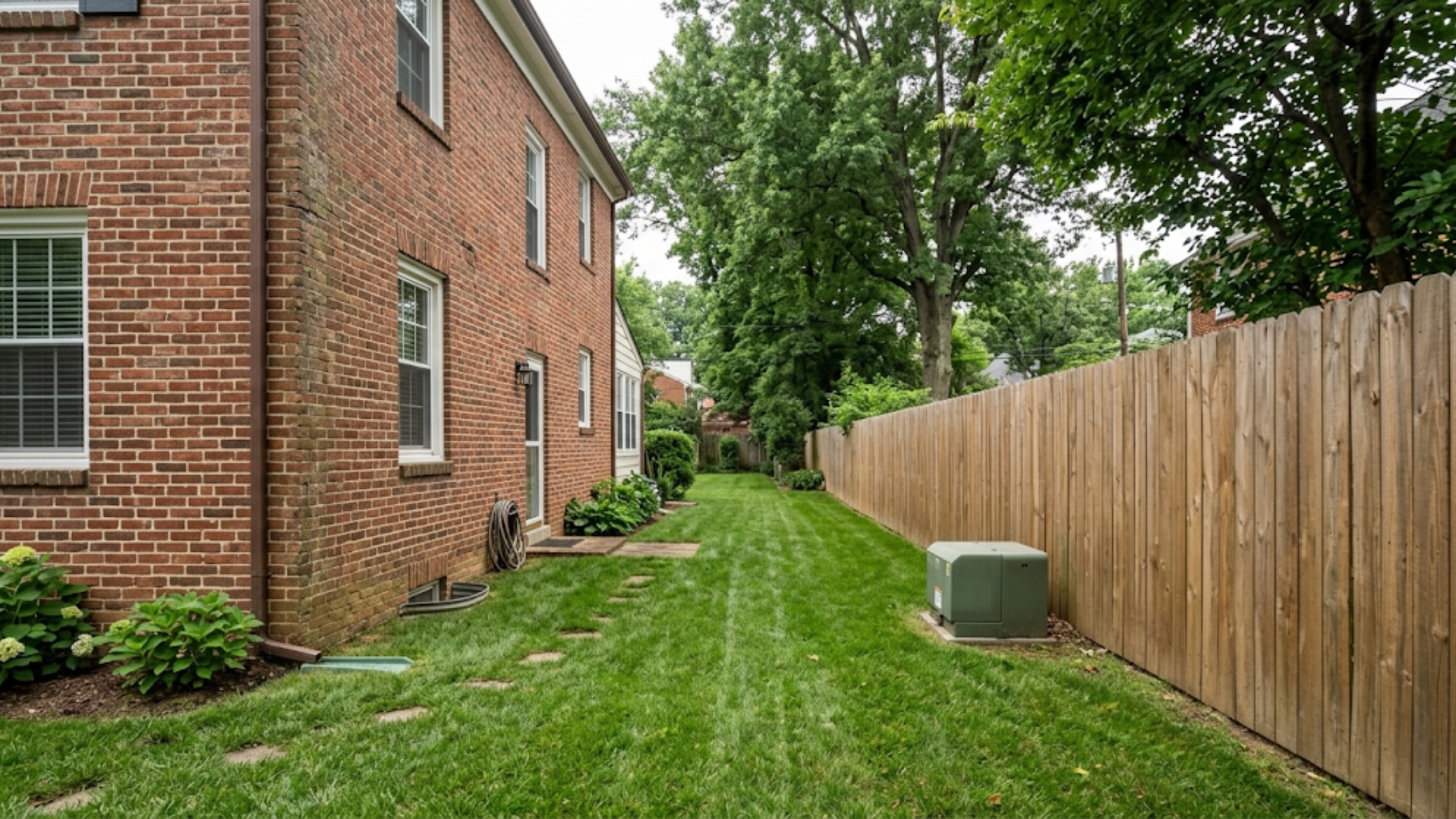
Utility companies such as Pepco and Washington Gas hold easements that allow them to reach the lines, meters, and equipment that deliver services to a home. These rights often run along a property edge, across a back corner, or beneath the yard. The service is what makes the home function, and the easement is what lets the provider install and maintain it.
Driveway and Access Easements
Another common example involves a neighbor with a landlocked lot. If that lot has no direct route to the street, the owner may need to put a driveway across the side of a neighboring yard. That arrangement would be considered an easement. The neighbor gains a path, and the property owner keeps title to the land underneath it.
Other easements a buyer may come across include drainage, sewer and water lines, and shared driveways between adjoining homes. Each one depends on the language in its own recorded document.
Why Easements Matter to Home Buyers
An easement does not necessarily make a property a poor choice. It does mean a buyer should understand what areas of the lot may be used by someone else, and how that could affect plans for the home. Depending on the terms, an easement may:
- Limit where a fence, shed, patio, or addition can be built
- Affect landscaping, trees, or hardscape near utility lines
- Allow another party to enter a portion of the lot for maintenance or access
- Influence how a buyer thinks about privacy and day-to-day use of the yard
Whether any of this matters depends on the buyer’s plans. A buyer who wants a pool or a rear addition will care about the location of a utility easement far more than a buyer who plans to leave the yard as it is.
Why a Survey Helps You Find Easements Before Closing
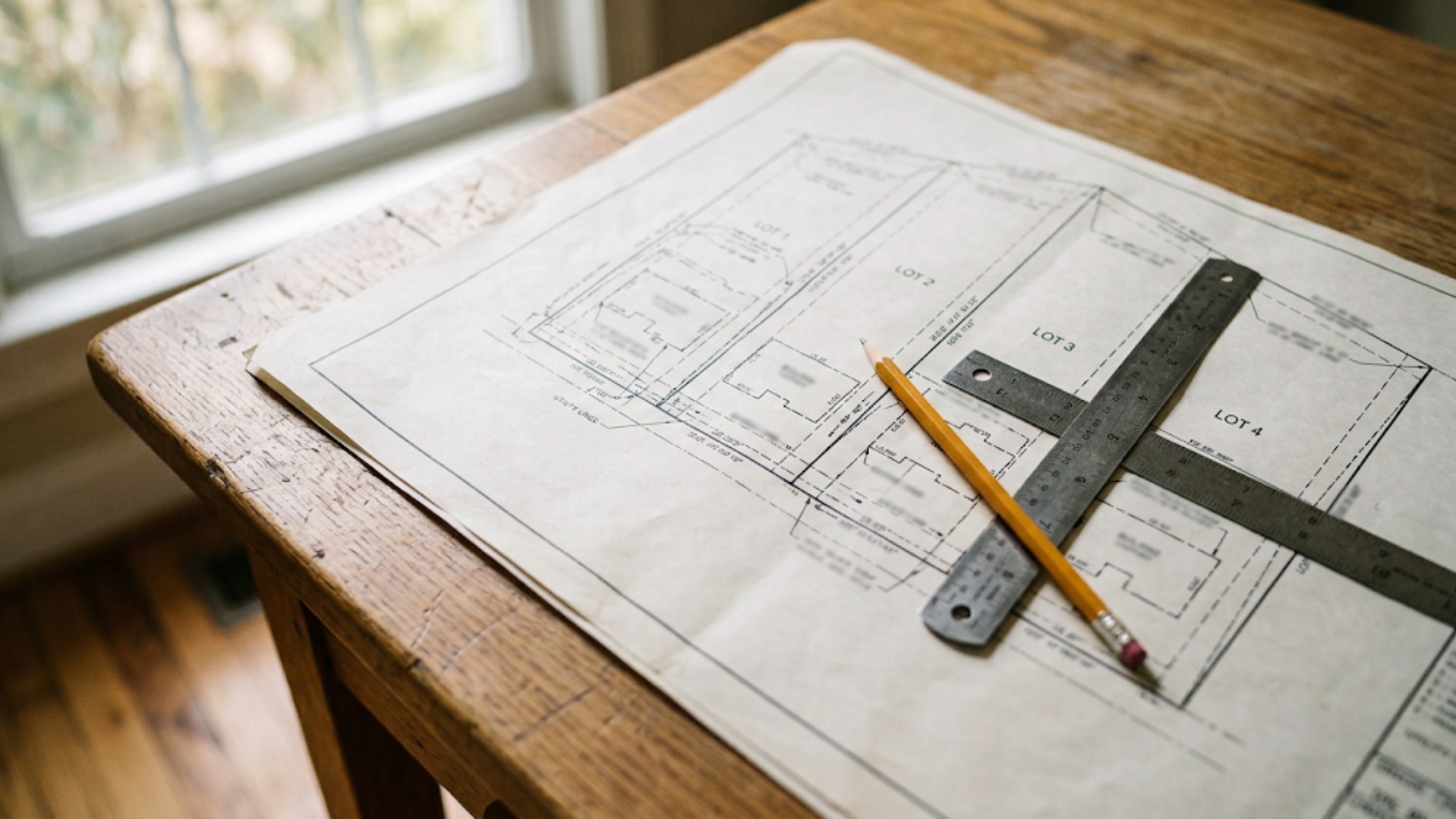
The key takeaway from Matt Cheney is simple: buyers who are looking to purchase a home should get a survey done so they know about any easements ahead of time. A survey maps the boundaries of the lot and shows the location of improvements and easements that are identified in the property records, giving a buyer a visual picture of how the land can and cannot be used.
Timing matters. Ordering a survey while there is still room to ask questions or negotiate, depending on the terms of the contract, gives a buyer more options than discovering an easement after closing. A title review also plays a role, since recorded easements are typically documented in the property’s chain of title. A buyer’s attorney or title professional can explain what the recorded documents say.
Questions to Ask About Easements Before Making an Offer
- Are there recorded easements on the property, and what does each one allow?
- Where do the easements sit on the lot compared with the house, driveway, and yard?
- Does anyone besides the owner use a driveway, path, or portion of the yard?
- Could an easement affect any improvements the buyer is considering?
- Has a current survey been completed, and does it match the recorded documents?
Matt encourages buyers to raise these questions early with their attorney, title professional, and surveyor so the answers are in hand before major decisions are made.
Easements for Sellers
Easements matter for sellers too. Knowing what is recorded against a property before it goes on the market helps a seller answer buyer questions with confidence and can reduce friction during the contract period. A seller who has an older survey, or no survey at all, may wish to review the title documents with their attorney to confirm that the recorded easements still reflect the property as it exists today. If improvements such as a fence, shed, or addition were built near an easement corridor, that is worth surfacing before a buyer’s inspector or attorney raises it. Sellers with questions about how easements may affect pricing, disclosure obligations, or the marketing of their property are welcome to contact Matt directly for a current market analysis.
Easements When Buying in DC, Maryland, and Northern Virginia
Lot layouts across Washington DC, Maryland, and Northern Virginia vary widely. Older neighborhoods with alleys, narrow lots, and shared driveways may carry different types of easements than newer planned subdivisions, and recording practices differ by jurisdiction. In the District of Columbia, easements are typically recorded with the DC Office of the Recorder of Deeds, while Maryland and Virginia each maintain their own county-level recording systems, meaning that what appears on a title search in Montgomery County may be organized differently than what a buyer encounters in Arlington or Fairfax. Georgetown, Capitol Hill, and other historic DC neighborhoods often include alley easements and party wall agreements that predate modern survey standards, which can require extra scrutiny. That variety is one more reason buyers in the DC Metro Area benefit from reviewing a survey and title documents for each specific property with a local attorney, rather than relying on general assumptions about how nearby homes are configured.
Frequently Asked Questions About Easements
What is an easement in real estate?
An easement is a recorded right that allows a party other than the owner to use a defined portion of a property for a specific purpose. Common examples include utility company corridors, shared driveways, and drainage paths. The scope and limits of any easement depend entirely on the language in the recorded document.
Can a neighbor have an easement across my yard?
Yes, it is possible. A neighbor with a landlocked lot may need to place a driveway across the side of a yard, and that arrangement would be considered an easement. The details depend on what is recorded for the property.
Do utility companies have easements on residential properties?
They commonly do. Companies such as Pepco and Washington Gas hold easements that allow them to provide and maintain service to homes.
How can a buyer find out about easements on a property?
Matt Cheney recommends that buyers get a survey done so they know of any easements ahead of time. A review of the title documents with an attorney or title professional can add further detail.
Can an easement affect what I can build on my lot?
It may. Depending on the location and terms of an easement, it can limit where structures, fences, or additions are placed. Buyers with specific plans should review the easement language with their attorney before making decisions.
Should sellers know about easements before listing?
Yes. Understanding what is recorded against the property helps a seller prepare for buyer questions and keeps the process smoother once a contract is in place.
Talk Through Easements With Matt Cheney
If you are planning to buy or sell in Washington DC, Maryland, or Northern Virginia and have questions about surveys, easements, or what to look for on a property, Matt Cheney is available to walk through the process with you. Reach out to Matt directly to start the conversation.
Matt Cheney | Compass Real Estate is committed to the principles of the Fair Housing Act and the Equal Opportunity Act. All real estate services are provided without regard to race, color, national origin, religion, sex, familial status, or disability.
About Matt Cheney
Matt Cheney is a top-producing real estate advisor with Compass in Washington, DC, guiding buyers and sellers across DC, Maryland, and Virginia through high-stakes moves, from luxury sales to estate settlements, downsizing, and divorce-related transactions. With over $780 million in career sales volume and 23+ years of experience, Matt is ranked in the Top 1.5% of agents nationally by RealTrends America’s Best. He is known for calm, strategic guidance and a straightforward approach to complex and sensitive real estate situations.
Matt Cheney | Compass Real Estate is committed to the principles of the Fair Housing Act and the Equal Opportunity Act. All real estate services are provided without regard to race, color, national origin, religion, sex, familial status, or disability.
Real estate considerations related to divorce or estate matters involve legal and financial complexities. Consult a qualified attorney and financial advisor for guidance specific to your situation.