

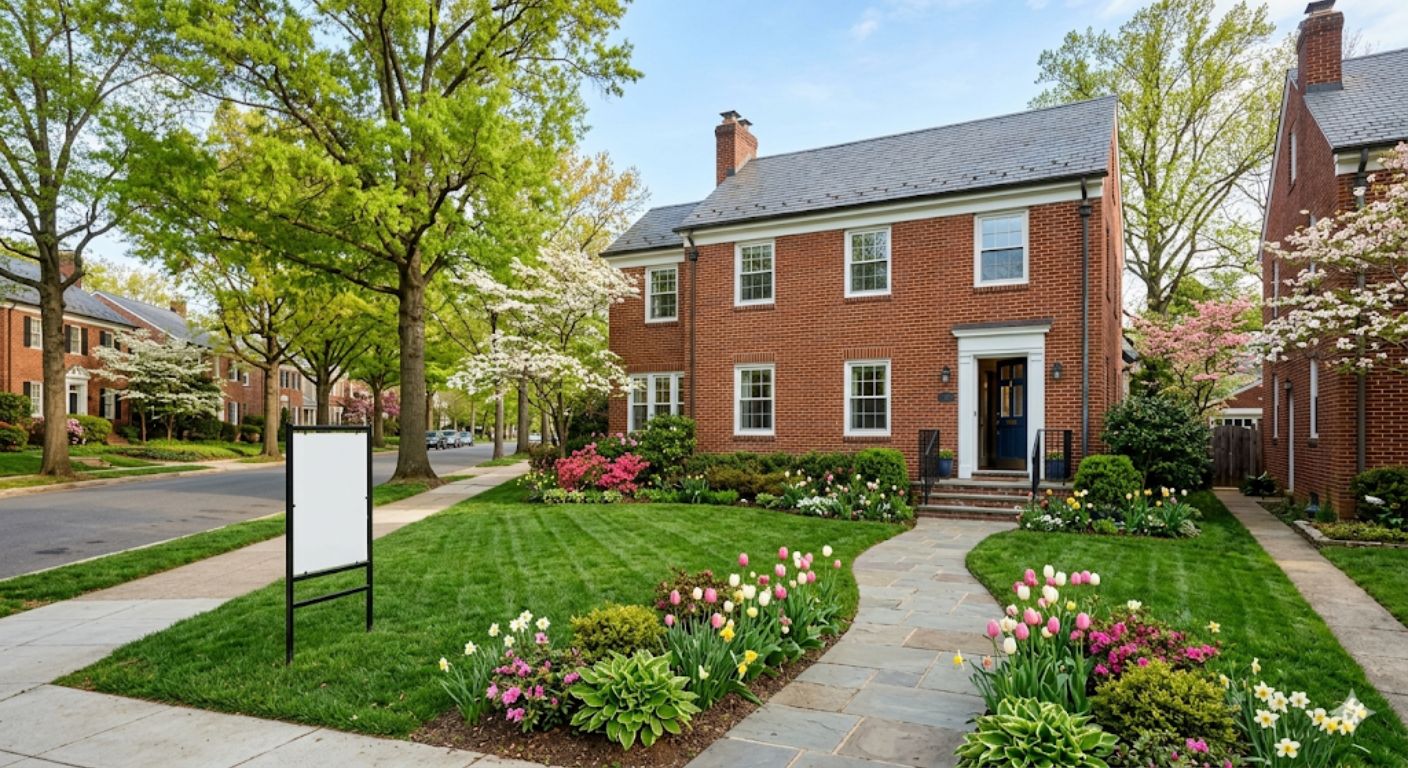
Homes that are positioned well, priced correctly, and shown clearly tend to attract buyers quickly.
If you have been watching the DC metro real estate market, you have probably noticed something puzzling. Some homes go under contract in days, sometimes with multiple offers. Others sit for weeks or months, even in the same neighborhood and price range. It can seem random from the outside, but it rarely is. There are usually clear reasons why some homes move and others do not.
Price Is the Most Common Factor
This one comes up first because it is the most consistent factor. A home that is priced in line with what the market will actually support tends to generate interest quickly. A home that is priced above what comparable properties have sold for tends to sit, regardless of how nice it is.
Buyers and their agents are tracking the market closely. They know what similar homes have sold for recently, and they will skip a listing that feels overpriced rather than offering below ask. In many cases, sellers who start high end up selling for less than they would have if they had priced correctly from the beginning, because a home that sits starts to raise questions.
Condition Makes a Real Difference
In the DC metro area, buyers at most price points are paying significant money and they expect the home to reflect that. A home in excellent condition with updated systems and good presentation tends to move. A home with visible deferred maintenance, dated finishes, or clear cosmetic issues tends to attract lower offers or none at all.
This does not mean every seller needs to do a full renovation. It means being honest about what condition your home is in, addressing the items that will raise flags in an inspection, and presenting the home as cleanly as possible. Small things matter more than sellers often expect.
First Impressions Have More Weight Than People Realize
Most buyers decide within the first few minutes of a showing whether a home is in contention. Curb appeal, the entry experience, natural light, and how the home smells all factor into that initial impression before the buyer has even looked at the kitchen or the bedrooms.
Homes that show well, meaning clean, well-lit, thoughtfully staged, and photographed professionally, tend to get more showings and generate more serious interest. The online listing is often the first showing. If the photos do not capture the home favorably, many buyers will not schedule an in-person visit.
Location Within a Neighborhood Matters
Even within desirable neighborhoods like Georgetown, Foxhall, Wesley Heights, Bethesda, or McLean, location specifics matter. A home on a quiet, well-maintained street with good lot position tends to sell faster than a similar home on a busy road, near commercial traffic, or with a challenging configuration. Buyers are paying attention to the micro-location, not just the zip code.
This is worth keeping in mind because there are some location factors that cannot be changed. A home backing up to a busy road or with a difficult driveway may need to be priced accordingly to generate the same interest as a more favorably positioned comparable.
Market Timing Plays a Supporting Role
The DC metro market does have seasonal rhythms. Spring tends to bring more buyer activity. Late summer and the holiday season are generally slower. Listing at the right time of year does not compensate for pricing or condition issues, but it can provide a tailwind for an otherwise well-positioned home.
That said, the right time to list is often the right time for the seller, not a rigid calendar calculation. A home that is priced correctly and shows well can move in any season.
How Matt Cheney Positions Homes to Move
After 22 years and over $779 million in career sales across DC, Maryland, and Virginia, Matt has a clear picture of what separates fast-moving listings from the ones that stall. He works with sellers before the listing goes live to address the factors that matter most, starting with an honest conversation about price. His track record at Compass reflects that approach.
Frequently Asked Questions
What is considered a long time for a home to sit on the market in DC?
In a competitive segment, 30 days without an accepted offer is often a signal that something needs to be addressed, whether price, condition, or presentation. In slower segments or higher price ranges, 60 to 90 days is not unusual, but it is worth reviewing the strategy.
Does a home that sits lose value?
Not in a literal sense, but buyer perception shifts. Buyers become skeptical of homes that have been on the market for a while and often assume there is a problem, which can make it harder to sell even after a price reduction.
Can I relist my home to reset the days on market?
Technically yes, in some cases. But agents and active buyers track this, and it does not always have the reset effect sellers hope for. Addressing the underlying reason the home is not moving is more effective than relisting alone.
What are the most common reasons homes sit in the DC metro area?
Overpricing is the most common. After that, condition issues, poor photography or presentation, and location-specific challenges tend to be the main factors. In slower market segments, timing also plays a role.
How do I know if my home is sitting for reasons I can fix?
Start by reviewing showing activity and buyer feedback. Your agent should be sharing that information with you regularly. If showings are happening but offers are not coming in, the issue is likely price or condition. If showings are minimal, the listing presentation or marketing may need attention.
Final Word
Homes that sell quickly tend to have one thing in common: they were positioned correctly from the beginning. That means the right price, good condition, strong presentation, and a marketing plan that reaches the buyers likely to be interested. If your home has been sitting longer than expected, or if you want to avoid that situation before you list, start with an honest assessment of where things stand. That conversation is usually more useful than any amount of wishful thinking.
About Matt Cheney
Matt Cheney is a top-producing real estate advisor with Compass in Washington, DC, guiding buyers and sellers across DC, Maryland, and Virginia through high-stakes moves, from luxury sales to estate settlements, downsizing, and divorce-related transactions. With over $779 million in career sales volume and 22 years of experience, including more than two decades working on complex and sensitive real estate situations, Matt is known for calm, strategic guidance and brings hundreds of successful sales to clients seeking clarity and support during life transitions.