

The Pre-Listing Inspection Question Every DC Area Seller Faces
Most sellers in Washington DC, Maryland, and Virginia think about a pre-listing inspection at some point in the preparation process. Some dismiss the idea. Others assume it is always worth doing. The honest answer is that it depends on your home, your neighborhood, and your goals. After working with sellers across Georgetown, Bethesda, McLean, Arlington, and the broader DC Metro area for more than two decades, I can tell you exactly when a pre-listing inspection makes sense and when it does not.
What a Pre-Listing Inspection Actually Is
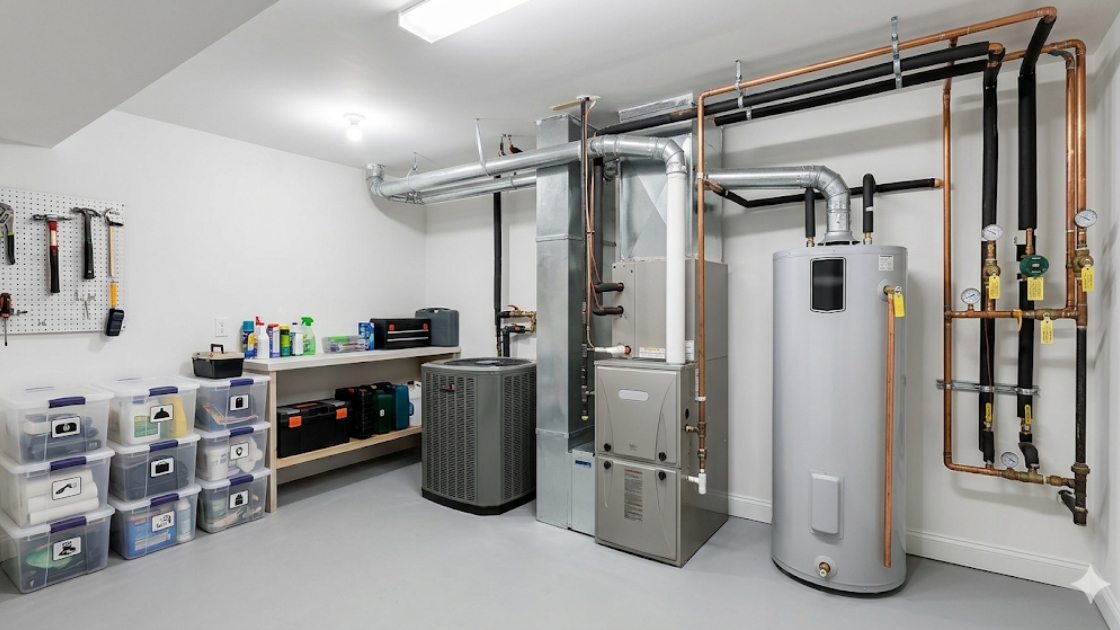
A pre-listing inspection is simply a standard home inspection ordered by the seller before the property goes on the market. A licensed inspector evaluates the condition of the home’s major systems, including the roof, HVAC, plumbing, electrical, foundation, and more. The seller receives the full report, typically within 24 to 48 hours, and can decide what to do with the findings.
The cost in the DC Metro area often falls in the range of $400 to $700 or more depending on the size, age, and complexity of the property, though pricing varies by inspector and may have changed. Older homes in Georgetown, Kalorama, Spring Valley, or Chevy Chase can command higher inspection fees due to their age and the complexity of evaluating historic or older systems. Ask your real estate advisor for current inspector recommendations and pricing estimates.
NAR transaction data has historically shown that a meaningful share of real estate contracts fall through due to inspection issues uncovered after a contract is signed, a figure that varies by market and year. Buyers should verify current figures directly with NAR or their real estate advisor. A pre-listing inspection is designed to reduce that risk before it costs you a deal.
Why This Decision Matters More Than It Used to
If you are thinking about attracting and evaluating competitive offers on your DC Metro home, the condition of your property is a direct factor in how confidently buyers bid. A home with a disclosed, clean inspection report signals to buyers that the seller is transparent and the property is well-maintained. That confidence often translates to stronger offers and fewer contingencies.
When a Pre-Listing Inspection Is Worth It
Your Home Is More Than 20 Years Old
Older homes in Northwest DC neighborhoods like Cleveland Park, Woodley Park, Palisades, Foxhall, and Wesley Heights, as well as established Maryland suburbs like Bethesda and Chevy Chase, often have aging systems that may not be visible during a simple walkthrough. HVAC units beyond their useful life, older electrical panels, original plumbing, and roof systems nearing the end of their cycle are all things a buyer’s inspector will flag, sometimes aggressively.
If you already know your home has older mechanicals, getting an inspection first gives you time to either repair them on your terms using your own contractors at non-emergency prices, or to price the home to reflect known conditions and disclose them upfront rather than waiting for a buyer to discover them under contract pressure.
Your Home Has Been Through Major Events
If your property experienced flooding, roof damage, significant renovation work, or other major events in the past decade, there may be underlying issues that are not apparent on the surface. A pre-listing inspection by a licensed professional gives you and your buyers confidence that what is known is accounted for and what is not visible has been evaluated.
You Want to Reduce Buyer Negotiation Leverage
One of the most common post-inspection dynamics I see across the DC Metro market is a buyer using inspection findings to renegotiate the price after going under contract. Sometimes the findings are legitimate and material. Often they include small items that get inflated in the negotiation. When you have already conducted your own inspection, addressed what you chose to address, priced accordingly, and disclosed the rest, that leverage largely disappears. Buyers can review the pre-listing report before they make an offer, and they cannot come back under contract saying they were surprised.
You Are Listing in a Price Range or Neighborhood Where Buyers Expect Turnkey Condition
Luxury buyers in Potomac, Great Falls, Georgetown, and McLean often have high expectations around property condition. In the upper price ranges, a buyer’s inspector finding a significant issue mid-contract can derail an otherwise strong deal. At these price points, the cost of a pre-listing inspection is minimal relative to the transaction value, and the protection it provides is substantial. Matt has completed $79M+ in career sales volume in zip code 20007, giving him direct experience with the condition standards and buyer expectations that define the Georgetown and Palisades market.
When a Pre-Listing Inspection May Not Be Necessary

Your Home Was Recently Renovated or Built
If your home is less than ten years old or has undergone a comprehensive renovation with permits and professional contractors in the past five years, a pre-listing inspection adds less value. The likelihood of significant findings is lower, and buyers may feel sufficient confidence from the renovation history and seller disclosure form alone.
You Are Selling in an As-Is Context
Some sellers, particularly in estate situations or when selling a home that clearly needs work, intentionally price for as-is condition and are not offering to negotiate repairs. In this scenario, a pre-listing inspection can create disclosure obligations without changing the seller’s approach or price. In these cases, it is worth discussing the decision carefully with your agent before ordering one.
Market Conditions Are Intensely Competitive
In the few neighborhoods within the DC Metro area where homes still routinely receive a dozen or more offers within days, buyers may be comfortable waiving inspections altogether. If your agent believes your listing is likely to receive waived-inspection offers, the cost-benefit calculation for a pre-listing inspection shifts. That said, these conditions are less common in 2026 than they were in prior years.
What to Do With Inspection Findings
Once you receive your pre-listing inspection report, you have options. You do not have to fix everything the inspector flags. You do need to think carefully about what you disclose and how.
Option 1: Repair and Remediate
Address the material issues before listing, get them re-inspected if needed, and list with confidence that the major concerns have been handled. This approach works best for items that are likely to be flagged by any buyer’s inspector, such as aging HVAC systems, roof issues, or electrical concerns.
Option 2: Disclose and Price Accordingly
If there are issues you do not want to repair or cannot address before listing, disclose them clearly in your seller disclosure forms and price the home to reflect the known condition. This approach keeps you legally protected, maintains buyer trust, and removes the risk of post-contract renegotiation over items the buyer already knew about when they made their offer. Understanding how appraisals interact with known defects helps you price accurately when taking this approach.
Option 3: Share the Report with Buyers
Some sellers make the full pre-listing inspection report available to all prospective buyers before offers are submitted. This creates transparency, reduces the emotional unpredictability of a post-contract buyer inspection, and positions the seller as honest and prepared. Many experienced buyer’s agents appreciate this approach because it allows their clients to make genuinely informed offers.
Your Disclosure Obligations in DC, Maryland, and Virginia
Seller disclosure requirements vary by jurisdiction. In general, all three jurisdictions require sellers to disclose known material defects that could affect the value or desirability of the property. Once you have a pre-listing inspection in hand, items identified in that report become “known” in a legal sense, which reinforces why it is important to think through your disclosure strategy before ordering an inspection.
For specific disclosure guidance relevant to your property, consult your real estate agent and a licensed attorney familiar with DC, Maryland, or Virginia real estate law. The DC Office of Consumer and Regulatory Affairs provides information on seller disclosure requirements for properties in the District.
The Financial Case for a Pre-Listing Inspection
Think of a pre-listing inspection as a form of risk management, not just an added expense. Here is the realistic math for a DC Metro seller:
- Cost of a pre-listing inspection: $400 to $700
- Cost of a deal falling through after going under contract due to inspection issues: weeks of lost market time, potential price reduction on relisting, carrying costs, and the emotional cost of starting over
- Cost of a buyer’s post-inspection repair request on a home priced at $1 million or more: often $20,000 to $75,000 in requested credits or price reductions
When the math is laid out that way, a few hundred dollars to know your home’s condition before buyers do is a reasonable investment in most situations. The preparation work you do before listing often produces better outcomes than the reactive decisions you face after a deal is already under pressure, though results depend on the property, the market, and the specific conditions of your sale.
How This Fits Into the Broader Listing Strategy
A pre-listing inspection is one piece of a larger pre-market preparation process. I typically advise sellers to approach listing preparation in this sequence:
- Walk the property with your agent to identify anything that will affect buyer perception or price
- Decide whether a pre-listing inspection makes sense for your home’s age, condition, and the current market climate
- Review findings and decide on repairs, disclosures, and pricing strategy together
- Stage the home, complete professional photography, and prepare the listing marketing
- Launch with a clear offer strategy that reflects the home’s disclosed condition and your goals as a seller
Every step in this sequence affects the others. Knowing your home’s condition early gives you the most flexibility across every decision that follows.
Frequently Asked Questions
Do I have to share my pre-listing inspection with buyers?
In most cases you are not legally required to share the full inspection report. However, once you have seen the report, you are generally obligated to disclose material defects you are aware of on your seller disclosure form. Your agent and attorney can advise you on jurisdiction-specific requirements.
What if the pre-listing inspection finds something serious?
You have three main options: repair it, disclose it and price accordingly, or factor it into an as-is positioning for your listing. The important thing is that you are not surprised by it under contract pressure, and you have time to make a thoughtful decision rather than a reactive one.
Will buyers still get their own inspection even if I did a pre-listing inspection?
Yes, most buyers will still conduct their own inspection. The value of your pre-listing inspection is not to eliminate the buyer’s inspection but to reduce the chance of surprising findings and post-contract renegotiation.
How long before listing should I order a pre-listing inspection?
Ideally four to eight weeks before your planned listing date. This gives you time to review the findings, get contractor estimates, complete any repairs you choose to make, and update your seller disclosure before the home goes live.
Are pre-listing inspections common in the DC Metro market?
They are more common in certain price ranges and neighborhood types than others. In the luxury market across Potomac, McLean, Georgetown, and Bethesda, pre-listing inspections are increasingly standard. In entry-level markets where buyers compete aggressively and often waive inspections, they are less common.
What if I just had work done on the house recently?
Recent work done with proper permits and licensed contractors generally provides some comfort to buyers. However, a pre-listing inspection can verify that the work was completed correctly and that no other systems or areas were inadvertently affected.
Should I use the same inspector a buyer might use?
You do not need to, but choosing a licensed, reputable inspector with specific experience in DC Metro area homes gives your report more credibility with buyers and their agents. Ask your real estate advisor for inspector recommendations with local experience.
What does a pre-listing inspection typically cover?
A standard inspection covers the roof, attic, insulation, foundation, basement or crawl space, structural elements, HVAC systems, plumbing, electrical, windows, doors, and visible water intrusion. Specialized tests such as radon, mold, sewer scope, or lead paint may be ordered separately.
How does a pre-listing inspection affect my asking price?
If the inspection reveals issues you choose not to repair, you will likely need to price slightly below what a move-in ready comparable would fetch, or offer a credit at closing. If the inspection is largely clean, it can support your asking price and give you and your agent a strong story to tell buyers about the property’s condition.
The Final Word
A pre-listing inspection is not the right move for every seller in DC, Maryland, or Virginia. But for most sellers with homes older than 15 to 20 years, or in markets where buyers are detail-oriented and inspection-savvy, it is one of the smartest investments you can make in protecting your sale price and your timeline. Knowledge is leverage, and knowing your home’s condition before buyers do puts you in control of the conversation.
If you are preparing to sell in the DC Metro area and want to talk through whether a pre-listing inspection makes sense for your specific situation, reach out. I am glad to walk through it with you. Disclaimer: Financial outcomes, including estimated inspection costs, post-contract repair credits, and market timing advantages, are illustrative and based on general market observations. No specific result is guaranteed. Results may vary depending on the property, the market, and individual circumstances. If your sale involves a divorce or estate, please consult a licensed attorney familiar with DC, Maryland, or Virginia real estate law before making disclosure or pricing decisions. For tax-related questions arising from your sale, please consult a qualified CPA.
About Matt Cheney
Matt Cheney is a top-producing real estate advisor with Compass in Washington, DC, Bethesda, Maryland, and McLean Virginia, guiding buyers and sellers across DC, Maryland, and Virginia through high-stakes moves, from luxury sales to estates, downsizing, luxury condominiums and divorce-related transactions. With over $780 million in career sales volume and 23+ years of experience, Matt is consistently ranked in the Top 1.5% of agents nationally by RealTrends America’s Best and has been named a Washingtonian Top Agent five years running. He is known for calm, strategic guidance and a straightforward approach to complex and sensitive real estate situations.
Matt Cheney | Compass Real Estate is committed to the principles of the Fair Housing Act and the Equal Opportunity Act. All real estate services are provided without regard to race, color, national origin, religion, sex, familial status, or disability.