

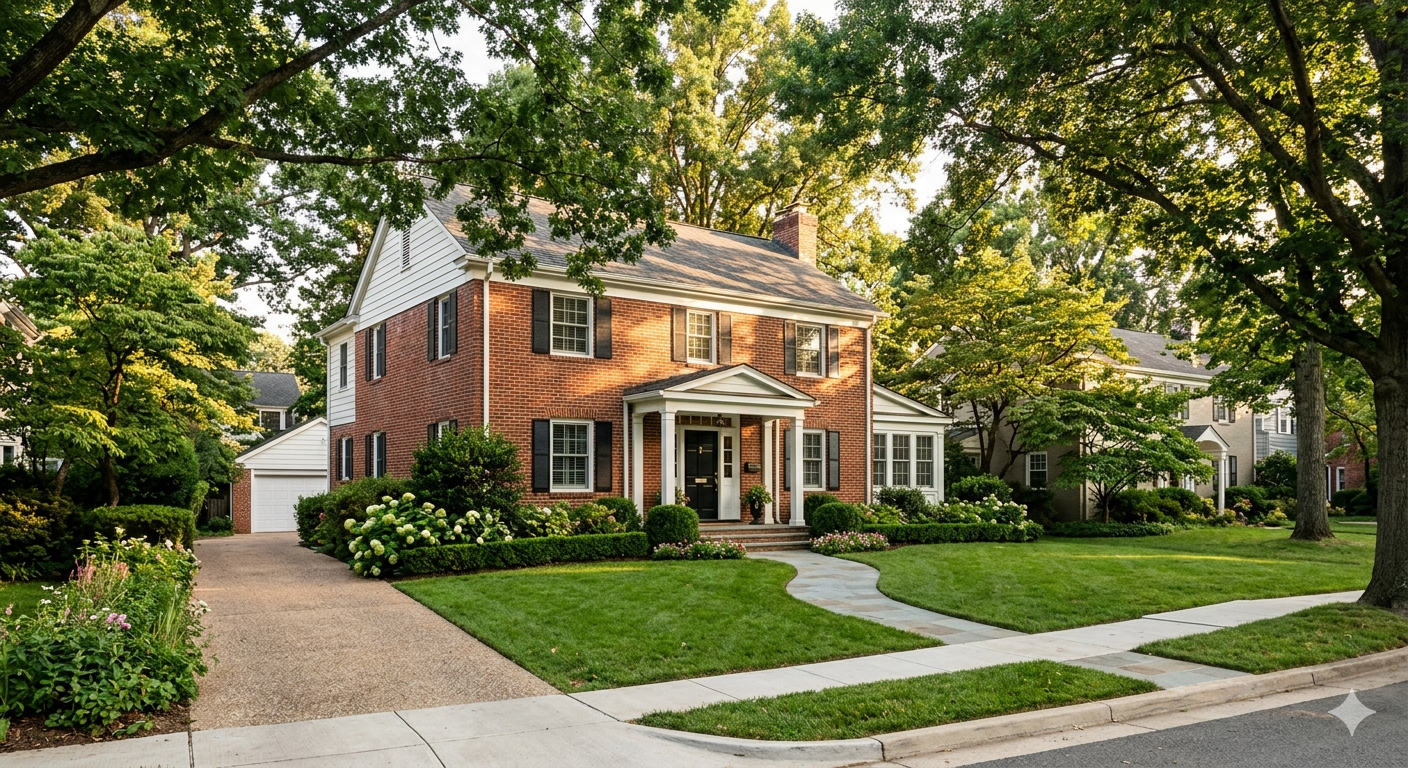
For many DC metro area homeowners, the family home represents decades of memories and one of their most significant financial assets. Retirement brings a moment to evaluate it with fresh eyes.Retirement brings a shift in nearly everything, including how you use your home, what it costs to maintain, and whether it still fits the life you are stepping into. For homeowners in Washington, DC, Maryland, and Virginia, this decision is often weighted by significant equity built over decades in one of the country’s most resilient real estate markets. What you do with your family home when you retire is not just a lifestyle question. It is one of the most consequential financial decisions of this life stage. Here is a grounded look at the options most DC metro area homeowners in this situation face, and the questions worth working through before you decide.
Why Retirement Changes the Equation on Your Home
Many homeowners who have lived in the same house for 20 or 30 years have a deep emotional connection to that property. The schools, the neighbors, the garden, the commute that used to define daily life are all embedded in the fabric of the home. But retirement removes many of the constraints that kept you in that house in the first place.
You no longer need to be near a specific office. Children who once needed proximity to schools and friends have their own lives elsewhere. The larger home that made sense for a full household may now carry maintenance demands, utility costs, and property taxes that no longer match how the space is actually being used. In DC, Maryland, and Virginia, where property taxes and home maintenance costs are real and ongoing, a home that represents significant equity can also represent a significant ongoing expense that retirement income may not comfortably absorb.
This is not an argument to sell. It is a reason to evaluate the decision honestly rather than by default.
Option 1: Sell and Downsize Within the DC Metro Area
For many retirees in the DC metro area, selling the family home and purchasing a smaller, more manageable property in the same region is the path that makes the most financial and practical sense. The equity built in homes in Bethesda, Chevy Chase, McLean, Georgetown, Spring Valley, and Potomac over the past two decades is often substantial. Downsizing within the region allows you to capture that equity, reduce your carrying costs, and move into a home that fits your current life without leaving the community, doctors, friends, and routines you have built.
Downsizing in the DC metro area does not necessarily mean moving to a smaller or less desirable property. Many retirees move from a large single-family home to a well-appointed condo, townhome, or smaller detached home in the same neighborhood or a nearby one. The trade is square footage and maintenance load for liquidity, simplicity, and freed-up capital that can support retirement in other ways.
The proceeds from a home sale in a high-value DC metro market can be transformative. A home that was purchased decades ago and has appreciated significantly can generate net proceeds well into seven figures after mortgage payoff and transaction costs. Invested or used strategically, that capital changes the financial picture of retirement meaningfully.
Option 2: Stay in Your Home and Age in Place
Staying in your home is a completely legitimate choice, and for many DC metro area retirees it is the right one. If your mortgage is paid off or nearly so, if your maintenance costs are manageable, if your health and mobility allow you to live in the space comfortably, and if the neighborhood continues to serve your needs, there is no compelling reason to move.
Aging in place often works best with some advance planning. Homes that were designed for an active family may need modifications to remain practical as mobility changes over time. Wider doorways, step-free entry, first-floor bedroom access, and accessible bathrooms are modifications that, when made thoughtfully and early, can extend the period during which the home remains workable without feeling like a medical installation.
Many homeowners in Northwest DC, Bethesda, and Chevy Chase who choose to age in place also consider light renovation specifically designed around those functional goals. A skilled contractor familiar with these kinds of projects can help you evaluate what the home already offers and what would meaningfully extend its usability.
The financial consideration for staying is that your home continues to be an illiquid asset. The equity is real but not accessible without a sale, a reverse mortgage, or a home equity loan. Understanding that distinction matters for retirement financial planning.
Option 3: Rent Out the Home or a Portion of It
Some DC metro area retirees choose to rent out their home either entirely or partially, generating income while either relocating seasonally or moving into a smaller residence. This option works best when the home is in a strong rental market, which describes most neighborhoods in Washington DC, Arlington, Bethesda, and Alexandria, and when the owner is prepared to manage a landlord relationship or hire professional property management.
Renting the home entirely typically involves moving into a smaller and less expensive property or relocating to a retirement community or to another geography, and using rental income to cover costs in the new location. This can work well financially but requires careful attention to landlord obligations, tenant relationships, and property maintenance from a distance.
Renting out part of the home, for example a basement in-law suite or an accessory dwelling unit, is a more common arrangement for homeowners who plan to stay in the property. In many DC metro neighborhoods, particularly in areas with strong rental demand near Metro stations or employment centers, an accessory unit can generate meaningful monthly income that helps offset the cost of staying in a larger home.
Option 4: Explore a Reverse Mortgage
A reverse mortgage allows homeowners who are 62 or older to access the equity in their home without selling or making monthly mortgage payments. The loan is repaid when the homeowner sells the home, moves out permanently, or passes away. For retirees who want to stay in their home and need access to their equity to fund retirement, a reverse mortgage is worth understanding.
Reverse mortgages are not the right tool for everyone. They come with fees and interest that accumulate over time, reducing the equity available to heirs. They require the home to remain the primary residence and to be maintained in good condition. And the loan balance must be settled when the home is eventually sold, which affects what is left for an estate. For DC metro area homeowners with significant equity and a desire to stay in place, though, a reverse mortgage can provide meaningful financial flexibility in retirement.
This is a financial product decision best made with a fee-only financial advisor and a HUD-approved reverse mortgage counselor, not one to make based on advertising alone.
Option 5: Relocate Out of the DC Metro Area
Some DC metro area retirees find that the right move is out of the region entirely. Lower cost of living, proximity to extended family in another state, access to a specific climate or lifestyle, or simply a desire for a new chapter drives many long-time DC metro homeowners to sell and relocate after retirement.
For those who choose this path, the equity built in a high-value DC metro market is often a powerful financial tool. Selling a home valued at $1.5 million or more in Bethesda, McLean, or Northwest DC and purchasing a comparable or upgraded property in a lower-cost market can free up substantial capital while maintaining or improving quality of life. Understanding the capital gains tax implications of a home sale at this level is an important part of this planning, and worth a conversation with a tax advisor before you list.

Downsizing within the DC metro area allows many retirees to capture significant equity while maintaining the community, neighbors, and lifestyle they value.
The Tax Implications of Selling Your Long-Held Family Home
Homeowners who have lived in their primary residence for at least two of the last five years are generally eligible for the federal capital gains exclusion, which allows individuals to exclude up to $250,000 in gain and married couples to exclude up to $500,000. For homes in the DC metro area that have appreciated significantly over decades, the gain may exceed these exclusion amounts, meaning a portion of the sale proceeds may be subject to capital gains tax.
This is not a reason to avoid selling. It is a reason to understand the math before you close, so that the net proceeds you are planning around are accurate. A tax advisor or CPA who is familiar with real estate transactions can walk you through the specifics of your situation.
How to Think Through the Decision
The right answer for your situation depends on your health, your finances, your family, your plans for the years ahead, and how much you value the specific home and neighborhood you are in. There is no universal right answer. But there are better and worse ways to reach the decision, and the better way involves gathering accurate information before you decide.
A current market analysis of your home’s value is a good starting point. Understanding what your home is actually worth in today’s market, not what it might have been worth two years ago or what a neighbor sold for in a different condition, gives you a real foundation for any option you evaluate. Matt Cheney has provided this kind of grounded, strategic guidance to homeowners in DC, Maryland, and Virginia who are navigating retirement-related real estate decisions for more than 22 years. With over $779 million in career sales volume and a top 1.5% national ranking by RealTrends America’s Best, Matt can help you understand your options clearly.
Visit mattsold.com to start a conversation about your specific situation.
Frequently Asked Questions About Retirement and Your Home in the DC Metro Area
Should I sell my home when I retire in the DC metro area?
Whether to sell depends on your financial needs, health, family plans, and how well your current home fits your retirement lifestyle. Many DC metro area retirees find that downsizing or relocating frees up equity that meaningfully improves their financial flexibility in retirement.
How much equity do most DC metro area homeowners have at retirement?
Equity varies widely based on when the home was purchased, how it was financed, and current market values. Homes in high-value neighborhoods like Bethesda, Chevy Chase, Georgetown, and McLean that were purchased decades ago often carry equity well into seven figures, particularly if mortgages are paid down or paid off.
What are the tax implications of selling a long-held family home?
The federal capital gains exclusion allows up to $250,000 for single filers and up to $500,000 for married couples who have lived in the home as their primary residence for at least two of the last five years. Gains beyond these thresholds may be taxable. A CPA or tax advisor can calculate your specific situation.
Is it better to sell or rent my home when I retire?
Renting can generate ongoing income, but it comes with landlord responsibilities and ongoing property management demands. Selling captures equity as a lump sum and eliminates those ongoing obligations. The right choice depends on your financial needs and your tolerance for an ongoing landlord relationship.
What is a reverse mortgage and is it right for DC metro area retirees?
A reverse mortgage allows homeowners 62 and older to access home equity without selling or making monthly payments. It can provide meaningful cash flow for retirees who want to stay in their home, but it comes with costs and implications for heirs that should be evaluated carefully with a financial advisor.
How do I know what my home is worth before making a retirement decision?
A current market analysis from an experienced real estate advisor who knows your specific neighborhood and price point is the most reliable way to understand your home’s current value. Online estimates can be useful directionally but are not precise enough to base significant financial decisions on.
What DC metro area neighborhoods are best for downsizing in retirement?
Many retirees in the DC metro area downsize into well-appointed condos or smaller homes in the same neighborhoods where they have been living. Bethesda, Chevy Chase, Northwest DC, and McLean all have strong condo and smaller home inventory that appeals to active retirees. Your specific priorities around walkability, community, and home type should guide the neighborhood decision.
Should I move out of DC, Maryland, or Virginia when I retire?
Some DC metro area retirees find that the cost of living, taxes, or climate motivate a move out of the region. Selling a high-value DC metro home and relocating to a lower-cost market can free up significant capital. Whether this makes sense depends on your family ties, lifestyle preferences, and financial situation.
How do I plan for aging in place in my DC metro area home?
Aging in place planning typically involves a home assessment for accessibility, targeted modifications like step-free entry and first-floor bedroom access, and a clear financial plan for ongoing maintenance costs. An occupational therapist or certified aging-in-place specialist can provide a structured assessment of your home.
The Bottom Line on Retirement and Your Home in the DC Metro Area
Your family home in the DC metro area likely represents one of your most significant assets. What you do with it in retirement should be a thoughtful decision grounded in accurate information, honest financial planning, and a clear understanding of what the next chapter of life actually looks like for you. There is no wrong answer if it is the right one for your situation. There are, however, decisions made without enough information that lead to regret. Give this one the attention it deserves.
About Matt Cheney
Matt Cheney is a top-producing real estate advisor with Compass in Washington, DC, guiding buyers and sellers across DC, Maryland, and Virginia through high-stakes moves, from luxury sales to estate settlements, downsizing, and divorce-related transactions. With over $779 million in career sales volume and 22 years of experience, including more than two decades working on complex and sensitive real estate situations, Matt is known for calm, strategic guidance and brings hundreds of successful sales to clients seeking clarity and support during life transitions.
Planning for retirement and evaluating your home options? Visit mattsold.com to schedule a conversation.