


Knowing which repairs to prioritize before listing your home in the DC area can save sellers time, money, and negotiation headaches later.
One of the most common questions sellers ask before listing is a simple one: what repairs should I actually do? The instinct is often to fix everything before the home goes to market. The reality is more nuanced. Some repairs genuinely move the needle. Others cost money and time without meaningfully changing what buyers offer or whether they show interest at all.
Here is a practical framework for thinking through what is worth doing when you are getting ready to sell your home in Washington, DC, Maryland, or Virginia.
The Difference Between Repairs That Matter and Repairs That Do Not
Not all deferred maintenance carries equal weight with buyers. The items that tend to matter most are ones that come up in inspection, create safety concerns, signal larger underlying problems, or are visible and immediately off-putting during showings.
Items that rarely affect buyer behavior or offer prices include cosmetic issues that buyers can easily change to suit their own preferences, outdated but functional fixtures in secondary spaces, and minor wear that looks lived-in rather than neglected.
The goal is not to turn your home into a brand-new property. It is to remove the things that give buyers pause and cause them to discount their offer or walk away.
Repairs That Are Almost Always Worth Doing Before Listing
- Roof and water intrusion issues. Any evidence of an active or recent leak is one of the fastest ways to lose buyer confidence. If there are stains on ceilings, soft spots near windows or exterior walls, or a roof that is clearly at or near the end of its life, addressing it before listing is worth serious consideration.
- HVAC systems that are not functioning properly. Buyers across the DC, Maryland, and Virginia market have generally expected heating and cooling systems to be in working order, though buyer priorities can shift with market conditions. An aging but functional system may become a negotiation point, while a non-functioning system can raise broader concerns about the home’s overall maintenance history. Contact Matt directly for a current read on what buyers are focusing on in your specific neighborhood and price range.
- Visible plumbing problems. Running toilets, leaky faucets under sinks, dripping showerheads, and evidence of past water damage under cabinets are all items inspectors flag and buyers notice. They are often inexpensive to fix and carry disproportionate weight in how buyers perceive the home’s overall condition.
- Electrical safety issues. If an inspector flags something in the electrical system, buyers in DC, Maryland, and Virginia take it seriously. Addressing known electrical problems before listing removes a significant negotiation lever from the buyer’s side.
- Garage doors and major mechanical items that don’t work. Anything that is supposed to function and doesn’t creates doubt. It is a small thing that signals a pattern of deferred maintenance to a buyer who is already looking for reasons to adjust their offer.
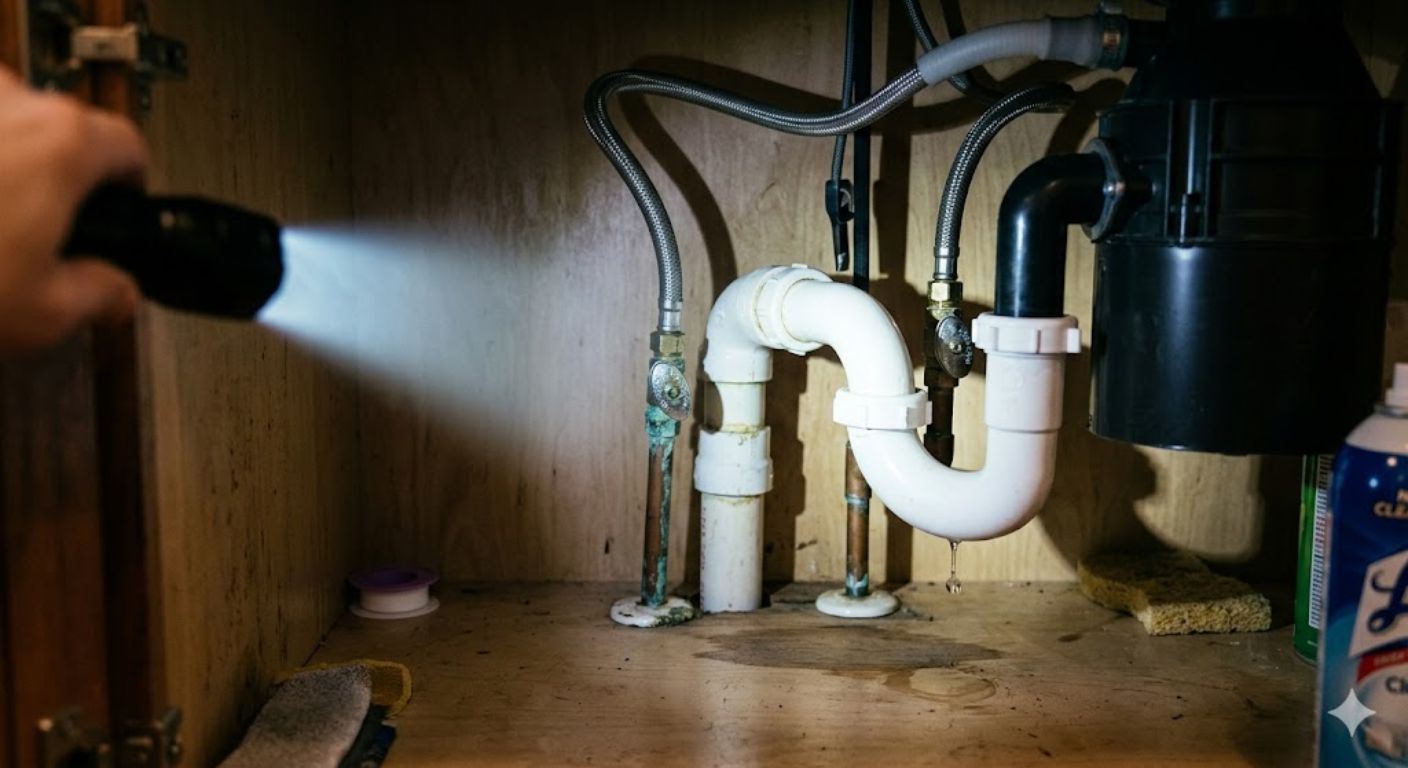
Common plumbing items like dripping faucets and visible moisture under sinks are inexpensive to fix and disproportionately affect buyer confidence during showings.
Repairs That Depend on the Situation
Some items require judgment based on your price point, the competition in your neighborhood, and the overall condition of the home.
Kitchen and bathroom updates fall into this category. In some price ranges and neighborhoods, a dated but fully functional kitchen is fine. In others, buyers expect updated finishes and will factor their renovation budget into what they offer. Your agent should be able to tell you where your home falls on that spectrum.
Painting is another one that is highly situation-dependent. Fresh neutral paint in a home with bold or dated colors can meaningfully change buyer perception. A freshly painted home with neutral tones photographs better and often shows better. Whether the specific rooms in your home need it is something you should evaluate honestly, ideally with your agent walking through with you.
You may also like: What Every Home Seller in Washington DC Needs to Know Before Listing, What Sellers in DC and Maryland Should Know About Contingent Offers in 2026, and What Buyers in the DC Metro Area Should Know About Contingencies Before Making an Offer
What Not to Over-Invest In Before Selling
Similarly, premium landscaping, high-end appliance upgrades, and specialty finishes may not produce strong returns when undertaken specifically for a sale, depending on the home’s price point and the current competitive landscape in the neighborhood. Functional and clean tends to serve sellers well, though the right approach can vary. Contact Matt directly for a current market analysis tailored to your home.
How Matt Cheney Helps Sellers Prioritize
One of the most useful things an experienced listing agent does is walk through a home before listing and give the seller an honest, specific read on what matters. Matt Cheney does this with every seller he works with. His goal is to help sellers spend time and money on the things that will actually affect the sale, and skip the things that will not, so they go to market with confidence and without having over-invested in preparation.
Frequently Asked Questions
Do I have to disclose known repairs or defects when selling my home in DC, Maryland, or Virginia?
Should I get a pre-listing inspection before selling my home?
A pre-listing inspection can be useful in some situations, particularly for older homes or sellers who want to know what is likely to come up in a buyer’s inspection. It gives you the option to address issues proactively or price accordingly. It is not always necessary, but it can reduce surprises later in the transaction.
What happens if a buyer’s inspection turns up problems I didn’t disclose?
Is it better to make repairs myself or offer a credit?
It depends on the item and the buyer. For significant mechanical or safety-related issues, completing the repair before closing is often cleaner than a credit. For cosmetic items or things buyers may want to customize, a credit is sometimes preferable. Your agent can advise on what tends to work better in your specific market.
Final Word
Preparing your home for sale in the DC area is a judgment call, not a checklist. The right repairs are the ones that remove buyer doubts and protect your sale from falling apart over condition issues discovered in inspection. Contact Matt directly at mattsold.com for a current market analysis and a clear-eyed walk-through of what your specific home may benefit from before it goes to market. (A second internal link should also be added in the How Matt Cheney Helps Sellers Prioritize section, linking to a relevant mattsold.com resource page.)
About Matt Cheney
Matt Cheney is a top-producing real estate advisor with Compass in Washington, DC, guiding buyers and sellers across DC, Maryland, and Virginia through high-stakes moves, from luxury sales to estate settlements, downsizing, and divorce-related transactions. With over $780 million in career sales volume and 23+ years of experience, Matt is ranked in the Top 1.5% of agents nationally by RealTrends America’s Best. He is known for calm, strategic guidance and a straightforward approach to complex and sensitive real estate situations.
Matt Cheney | Compass Real Estate is committed to the principles of the Fair Housing Act and the Equal Opportunity Act. All real estate services are provided without regard to race, color, national origin, religion, sex, familial status, or disability.
Real estate considerations related to divorce or estate matters involve legal and financial complexities. Consult a qualified attorney and financial advisor for guidance specific to your situation.