

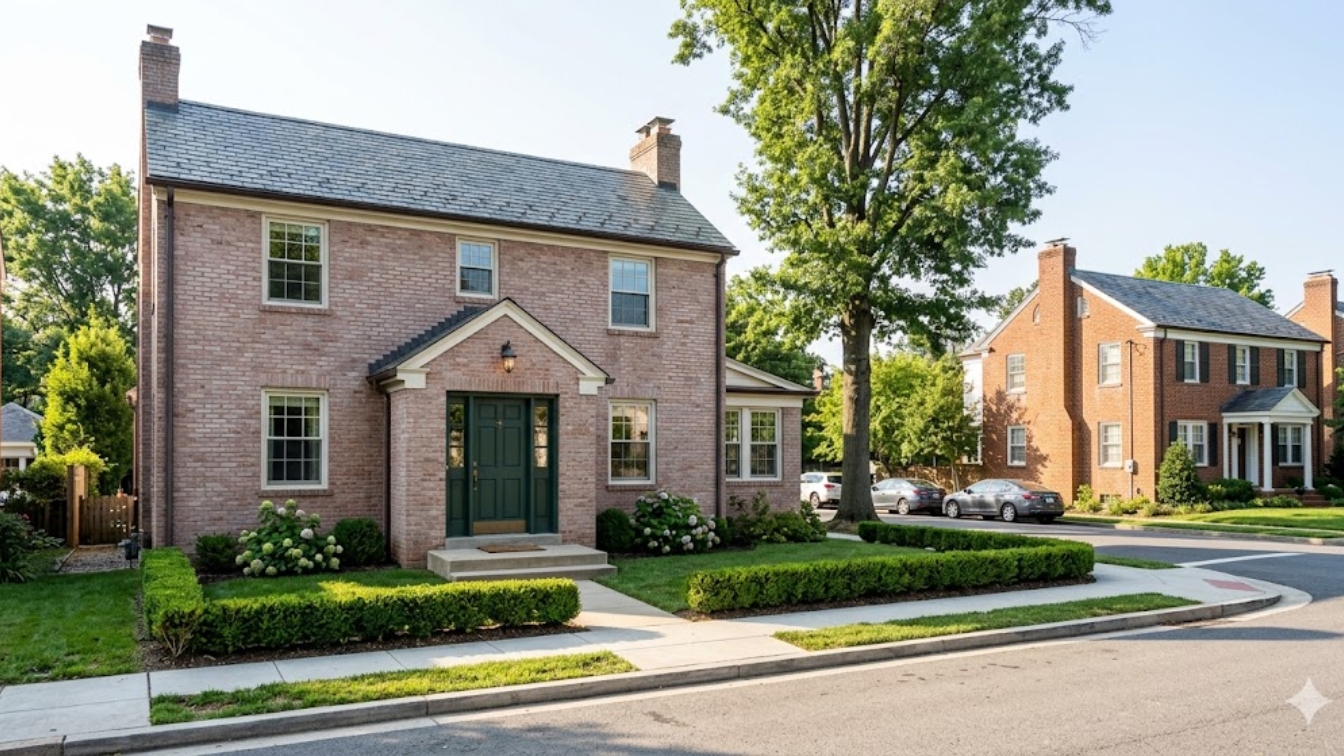
Understanding the full cost of buying a home, including closing costs, before you are at the settlement table helps buyers plan more effectively from the start.
One of the most common surprises for home buyers in the DC metro area is the closing costs. Note: The information in this post is intended for general educational purposes. Buyers should consult with their lender, settlement agent, and, where appropriate, a licensed CPA or attorney regarding their specific transaction costs and tax implications. No specific result is guaranteed.
Most buyers focus on saving for a down payment and assume that is the biggest upfront expense. But closing costs, the fees and charges due at settlement, can add up to a meaningful amount, and coming in unprepared can create real problems. Here is what to know before you get to the settlement table.
What Are Closing Costs?
Closing costs are the fees paid at the time you close on a home purchase. They cover a range of services and charges, from lender fees and title work to government recording fees and prepaid expenses like homeowner’s insurance and property taxes. They are separate from your down payment and due at settlement, typically in the form of a wire transfer or cashier’s check.
The exact amount varies depending on the purchase price, the loan type, the lender you work with, and the jurisdiction where the property is located. DC, Maryland, and Virginia each have different transfer and recordation tax structures, which affects the total cost of closing for buyers in each area.
Common Closing Costs Buyers Pay in DC, Maryland, and Virginia
The fees you encounter at closing typically fall into a few categories.
Lender fees include the origination charge, underwriting fee, and any points you paid to buy down your interest rate. These vary by lender, so comparing loan estimates from multiple lenders before you commit is worth the time.
Title and settlement fees cover the cost of the title search, title insurance, and settlement agent services. Title insurance protects both the buyer and the lender in the event of a title defect or dispute. This is a standard cost in most transactions.
Government fees include transfer taxes, recordation taxes, and recording fees. DC, Maryland, and Virginia each have their own structures for these charges, and they can vary significantly by jurisdiction and purchase price. Your settlement agent can walk you through what applies to your specific transaction.
Prepaid expenses are costs you pay upfront to fund your escrow account. These typically include the first year of homeowner’s insurance, prepaid interest through the end of the month you close, and an initial deposit into your property tax escrow. These are not fees in the traditional sense, but they do increase the total amount due at closing.
A home inspection, while not technically a closing cost, is typically paid by the buyer before closing and should be factored into your overall budget.
How Much Should Buyers Budget for Closing Costs?
A common rule of thumb is to budget between two and five percent of the purchase price for closing costs, though the actual number can fall above or below that range depending on the transaction. On a $700,000 home in the DC metro area, that range may work out to roughly $14,000 to $35,000 depending on the lender, loan type, jurisdiction, and what is negotiated in the contract. Buyers should confirm current estimates with their lender and settlement agent, as fee structures can change. No specific result is guaranteed. The specific number depends on your lender, your loan type, the jurisdiction, and what is negotiated in the contract.
Your lender is required to provide you with a Loan Estimate within three business days of receiving your loan application. That document outlines the anticipated closing costs and gives you a starting point for planning. A few days before closing, you will receive a Closing Disclosure, which shows the final numbers. Reviewing both documents carefully and asking questions when something is unclear is important.
You may also like: What Buyers in the DC Metro Area Should Know About Contingencies Before Making an Offer, Best Neighborhoods for Newly Married Couples in DC, Maryland, and Virginia, and What Sellers in DC and Maryland Should Know About Contingent Offers in 2026
Can Closing Costs Be Negotiated?
In some cases, yes. One common approach is to ask the seller for a closing cost credit as part of the purchase agreement. This means the seller agrees to contribute a set dollar amount toward your closing costs, which reduces what you need to bring to settlement. Seller credits are more common in markets where sellers have more flexibility, and they are less common in highly competitive situations where buyers are competing for the same property.
Some lenders also offer no-closing-cost loan options, where the closing costs are rolled into the loan balance or offset by a slightly higher interest rate. These can be useful in certain situations, but it is worth understanding the long-term trade-off before choosing that path.
Lender fees are also something you can shop around for. Getting loan estimates from multiple lenders and comparing the fees side by side can reveal meaningful differences that save you money at closing.

Knowing what to expect at the settlement table starts with reviewing your Loan Estimate and Closing Disclosure carefully before closing day.
How Matt Cheney Helps Buyers Plan for the Full Cost of Purchase
One of the first conversations Matt has with buyers is about the full financial picture of a purchase, including closing costs, not just the down payment. Going into a home search with a clear understanding of what you will need at settlement helps you set a realistic budget from the start and avoids surprises later in the process.
He also helps buyers navigate the negotiation of seller credits when that strategy makes sense, and coordinates with lenders and settlement agents to make sure the closing process moves smoothly. If you are thinking about buying in DC, Maryland, or Virginia, it is worth starting with a clear-eyed look at the full cost of the transaction before you start touring homes. Contact Matt directly for a current market analysis and a full breakdown of what to expect at closing. Visit mattsold.com to learn more about Matt’s approach to buyer representation, and explore recent market insights at mattsold.com/blog.
Frequently Asked Questions
How much are closing costs for buyers in Washington, DC?
Closing costs in Washington, DC may range from two to five percent of the purchase price depending on the loan, the lender, the purchase price, and what is negotiated in the contract. Buyers should verify current transfer and recordation tax rates with their settlement agent, as these figures can change. No specific result is guaranteed. DC’s transfer and recordation taxes are typically split between buyer and seller unless negotiated otherwise. Your lender and settlement agent can give you a more precise estimate based on your specific transaction.
Are closing costs different in Maryland and Virginia than in DC?
Yes. Each jurisdiction has its own transfer tax, recordation tax, and recording fee structure. Maryland’s closing costs can differ significantly from Virginia’s, and both differ from DC’s. The differences can be meaningful, so it is worth understanding what applies to the specific property you are buying before you finalize your budget.
Can I roll closing costs into my mortgage?
In most conventional transactions, closing costs are not rolled into the mortgage directly. However, some lenders offer options where the fees are offset by a slightly higher interest rate, or where they are added to the loan balance in specific programs. These options come with trade-offs, and it is worth discussing them clearly with your lender before deciding.
What happens if I do not have enough money to cover closing costs?
If you come up short on closing costs, a few options may be available: negotiating a seller credit, asking your lender about assistance programs, or revisiting your loan structure. The important thing is to identify the gap early in the process, not at the closing table. Your agent and lender can help you work through the options.
When do I find out exactly how much my closing costs will be?
Your lender will provide a Loan Estimate within three business days of your application, which gives you an early picture of anticipated costs. The final numbers appear in the Closing Disclosure, which you should receive at least three business days before your closing date. Review both documents carefully and ask your lender or settlement agent to explain anything that is unclear.
Final Word
Closing costs are a real part of buying a home, and understanding them early makes the whole process less stressful. Budget for them from the start, review your Loan Estimate carefully with your lender, and work with an agent who can help you understand what is negotiable and what is not. Contact Matt directly for a current market analysis and to walk through the full cost of your purchase before you begin your home search. If you are thinking about buying in DC, Maryland, or Virginia and want to talk through the financial side of the process, contact Matt directly at mattsold.com for a current market analysis and a clear breakdown of what to expect at closing.
About Matt Cheney
Matt Cheney is a top-producing real estate advisor with Compass in Washington, DC, Bethesda, Maryland, and McLean Virginia, guiding buyers and sellers across DC, Maryland, and Virginia through high-stakes moves, from luxury sales to estates, downsizing, luxury condominiums and divorce-related transactions. With over $780 million in career sales volume and 23+ years of experience, Matt is consistently ranked in the Top 1.5% of agents nationally by RealTrends America’s Best and has been named a Washingtonian Top Agent five years running. He is known for calm, strategic guidance and a straightforward approach to complex and sensitive real estate situations.
Matt Cheney | Compass Real Estate is committed to the principles of the Fair Housing Act and the Equal Opportunity Act. All real estate services are provided without regard to race, color, national origin, religion, sex, familial status, or disability.