

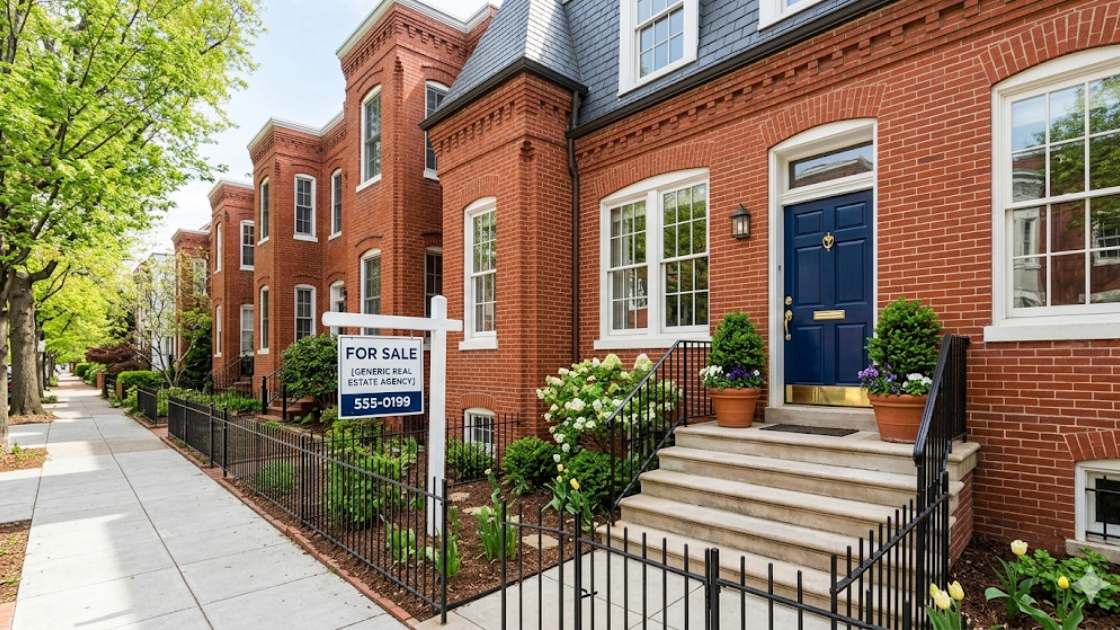
Selling a home for the first time is a different experience from buying one. When you are a buyer, you are making decisions mostly about what you want and what you can afford. When you are a seller, there is more to manage: preparing the home, pricing it, reviewing offers, navigating the inspection, and getting to closing without something derailing the process. Here is a clear picture of what to expect.
Getting the Home Ready to List
Preparation makes a bigger difference than most first-time sellers expect. Buyers in DC, Maryland, and Virginia are generally well-informed and have seen a lot of homes before they get to yours. First impressions matter, and a home that looks cared for and well-maintained gets a different reaction at showings than one that feels neglected.
This does not mean you need to renovate. It means:
- Addressing any obvious deferred maintenance, things that buyers will notice and that inspectors will flag
- Cleaning thoroughly, including areas that tend to be overlooked during normal cleaning
- Decluttering so that rooms look larger and more neutral
- Handling cosmetic issues that are inexpensive to fix but distracting to buyers
- Making sure the exterior looks maintained, since the first impression often happens before anyone walks through the door
Your agent should walk through the home with you before listing and give you a clear list of what to prioritize. Not everything on that list will have a meaningful impact on price or speed of sale, and a good agent will help you focus your energy on what actually matters.
Understanding How Your Home Is Priced
Pricing is the most consequential decision you will make as a seller. A home that is priced accurately tends to generate more interest, sometimes more than one offer, and typically sells faster and at a better net price than one that is priced too high from the start.
Overpricing is one of the most common mistakes first-time sellers make. The logic is understandable: the home means a lot to you, you have put money into it, and you want to leave room to negotiate. But buyers do not feel what you feel about the home. They compare prices across listings, and when a home is priced above what the comparables support, many buyers simply pass it by.
A home that sits on the market too long starts to carry a stigma. Buyers wonder what is wrong with it. Price reductions attract attention, but not always the right kind. Starting at the right price is almost always better than starting high and cutting later.
What Happens After You Accept an Offer
Once you accept an offer, the transaction moves into the contract period. For first-time sellers, this part of the process can feel like a lot of waiting punctuated by moments of uncertainty. Here is what typically happens:
- The buyer conducts a home inspection, usually within the first week or two. If they have concerns, they may come back with a repair request or ask for a credit.
- If there is a financing contingency, the buyer’s lender will order an appraisal of the home. If the appraisal comes in below the contract price, there may be additional negotiation.
- As closing approaches, there will be paperwork, coordination with title companies and attorneys, and a final walkthrough by the buyer.
- At closing, you will sign documents transferring ownership and receive the net proceeds from the sale after paying off your mortgage and any closing costs.
Your agent should be guiding you through each of these steps and flagging anything that needs your attention. The contract period typically runs 30 to 45 days, though it can be shorter or longer depending on how the contract is structured.
What Closing Costs Look Like for Sellers in DC Maryland and Virginia
First-time sellers are sometimes surprised by closing costs. In DC, Maryland, and Virginia, sellers typically pay agent commissions, transfer taxes, and various other closing-related fees. The specific amounts vary by jurisdiction and by how the transaction is structured.
DC has higher transfer taxes than most jurisdictions. Maryland and Virginia have their own structures. Your agent should give you an estimate of your net proceeds early in the process, so you know what to expect before you accept an offer.
This is general information, not tax advice. Tax treatment varies by ownership structure, use, timing, and personal circumstances. Speak with a CPA or tax advisor before making decisions.
Frequently Asked Questions
How long does it take to sell a home in Washington DC Maryland or Virginia?
From listing to closing, most DC-area transactions take between 30 and 60 days, depending on how quickly the home goes under contract and how the contract period unfolds. Preparation before listing can take anywhere from a few days to several weeks, depending on the condition of the home and how much work you decide to do.
What are the biggest mistakes first-time home sellers make in DC?
Overpricing the home is the most common. Beyond that, underestimating how much preparation matters, not understanding the closing cost structure, and being too emotionally reactive during inspection negotiations are all common pitfalls. A good agent helps you navigate all of these before they become problems.
Do I need to be present during showings when selling my home in DC?
No, and in most cases it is better if you are not. Buyers tend to be more comfortable and spend more time in a home when the seller is not present. Your agent can provide access and follow up with buyer feedback after each showing.
What should I disclose when selling a home in Washington DC or Maryland?
Disclosure requirements vary by jurisdiction. In DC and Maryland, sellers are generally required to disclose known material defects. Your agent and, if appropriate, your attorney can guide you on what needs to be disclosed in your specific situation. When in doubt, disclosing is usually the safer path.
Can I sell my home without making any repairs first?
Yes. You can sell a home as-is, and there are situations where that makes sense, particularly with estate sales, homes that need significant renovation, or sellers who want a simpler, faster process. An as-is sale typically means a different buyer pool and potentially a different price point, but it is a legitimate option that your agent can help you evaluate.
Final Word
Selling your first home is a process with a lot of moving parts, but it is also manageable when you go in with a clear picture of what to expect. Preparation, accurate pricing, and steady guidance through the contract period are what get most transactions across the finish line cleanly. If you are getting ready to sell your first home in DC, Maryland, or Virginia, I am glad to walk through what to expect and help you get started on the right foot.
About Matt Cheney
Matt Cheney is a top-producing real estate advisor with Compass in Washington, DC, guiding buyers and sellers across DC, Maryland, and Virginia through high-stakes moves, from luxury sales to estate settlements, downsizing, and divorce-related transactions. With over $779 million in career sales volume and 22 years of experience, including more than two decades working on complex and sensitive real estate situations, Matt is known for calm, strategic guidance and brings hundreds of successful sales to clients seeking clarity and support during life transitions.