

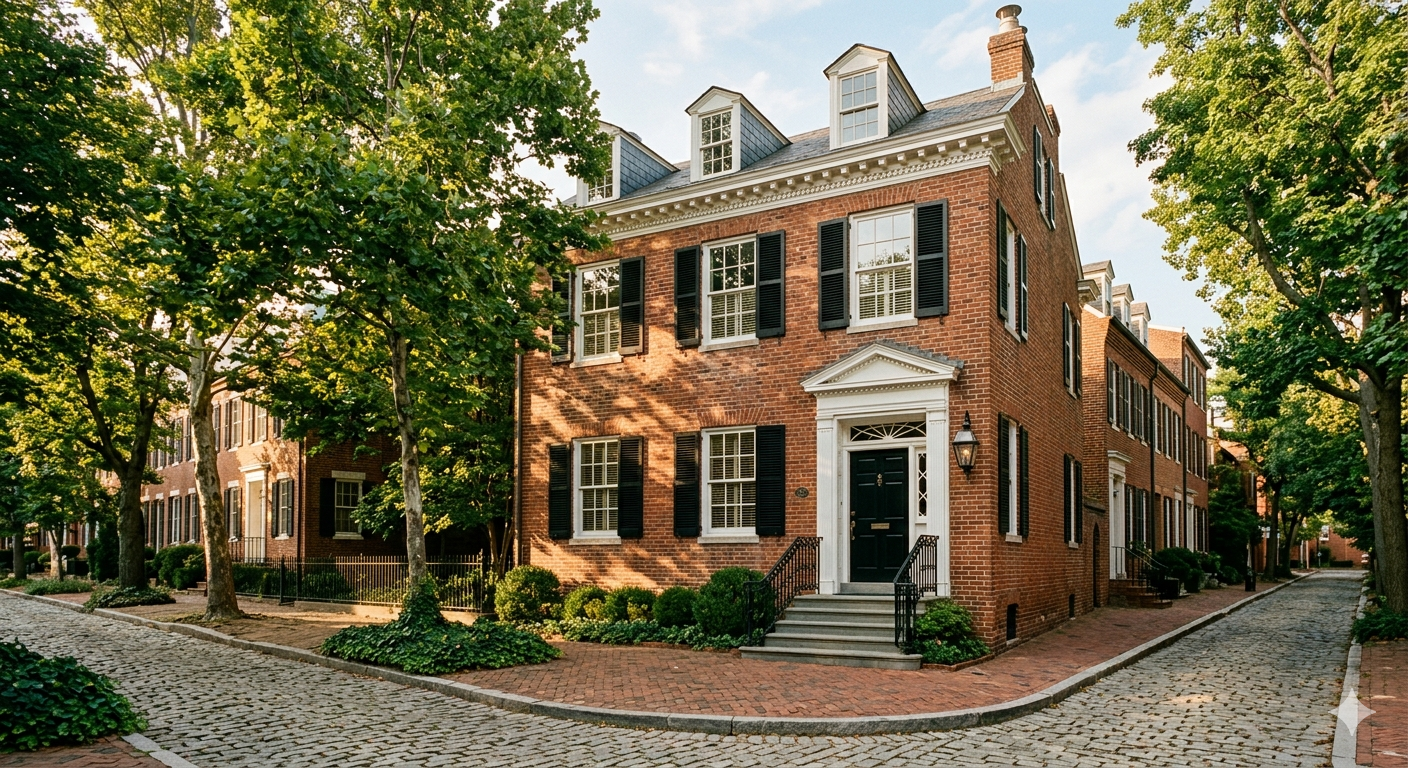
Buying a home for the first time in the Washington, DC metro area is a significant step. The market here is different from much of the country, and the process has enough moving parts that it pays to go in with a clear understanding of what to expect before you start.
This is a practical overview of what first-time buyers should know before purchasing in DC, Maryland, or Virginia.
Get Your Financing in Order Before You Search
One of the most common mistakes first-time buyers make is starting their search before knowing what they can afford. In the DC metro area, where prices are high relative to much of the country and the market can move quickly in desirable neighborhoods, going in without a clear budget puts you at a real disadvantage.
Before you start touring homes, talk to a lender. Get a pre-approval letter, not just a rough estimate. Pre-approval means the lender has actually reviewed your income, assets, and credit and issued a conditional commitment. It gives you a realistic number to work with and signals to sellers that you are a serious buyer, which matters in a competitive situation.
Keep in mind that your pre-approval amount is a ceiling, not a target. What you are approved for and what makes sense for your actual monthly budget may be different numbers. Work backward from a payment you are comfortable with, not forward from the maximum you qualify for.
Understand the Full Cost of Buying, Not Just the Price
First-time buyers sometimes focus almost entirely on the purchase price without fully accounting for the other costs that come with buying a home in this market.
Closing costs in the DC metro area typically run between 2% and 5% of the purchase price, depending on the loan type, location, and specifics of the transaction. That covers lender fees, title insurance, recording fees, and prepaid expenses like homeowner’s insurance and property tax escrow.
Beyond closing costs, there is the ongoing cost of ownership: property taxes, HOA fees if applicable, maintenance and repairs, and utilities. These add up and should be part of your planning from the beginning. A home that stretches your budget to its limit on the purchase price alone leaves little room for anything that comes up afterward.
Know What You Are Buying Before You Commit
The home inspection is one of the most important steps in the buying process, especially for first-time buyers. Even if a home looks great on the surface, a qualified inspector can identify issues with the foundation, roof, HVAC, plumbing, electrical, and other systems that are not visible during a regular showing.
In the DC area, it is common for buyers to include an inspection contingency in their offer, which gives them the right to request repairs or walk away based on what the inspection reveals. In very competitive situations, some buyers waive this contingency to strengthen their offer. That is a significant risk, particularly for first-time buyers who may not have a clear picture of what repair costs look like. Understand exactly what you are giving up before making that decision.
Work with an Agent Who Knows the Specific Market You Are Targeting
The DC metro area is not one uniform market. Neighborhoods within DC, the close-in Maryland suburbs, and Northern Virginia each have their own pricing patterns, inventory levels, and transaction norms. Working with an agent who is active in the specific area you are targeting makes a real difference.
A local agent can tell you what similar properties have actually sold for, what to expect from negotiation in that neighborhood, how to structure an offer that is competitive without being reckless, and where there may be hidden value or risk. For a first-time buyer navigating an unfamiliar process in a complex market, that local knowledge is genuinely useful.
How Matt Cheney Works with First-Time Buyers
Matt has been helping buyers navigate the DC metro market for more than 22 years. He takes a direct, honest approach with first-time buyers, which means explaining what the market actually looks like, what properties are worth, and what to watch out for, not just telling people what they want to hear. His goal is to help buyers make a clear-eyed decision, not just get to closing as fast as possible.
Frequently Asked Questions
How much do I need for a down payment to buy a home in Washington DC, Maryland, or Virginia?
It depends on the loan type. Conventional loans typically require between 5% and 20% down, though some programs allow lower amounts for qualifying buyers. FHA loans require 3.5% down. DC, Maryland, and Virginia each have first-time buyer assistance programs that can help with down payment costs. A lender can walk you through what you qualify for based on your specific situation.
What is the difference between pre-qualification and pre-approval?
Pre-qualification is a rough estimate based on information you provide without the lender verifying it. Pre-approval involves the lender actually reviewing your documentation and issuing a conditional commitment. In a competitive market, pre-approval carries significantly more weight and is worth the extra time it takes to complete.
Should I buy a condo, townhouse, or single-family home as a first-time buyer in the DC area?
It depends on your budget, lifestyle, and long-term plans. Condos are often the most affordable entry point in the DC market and require less hands-on maintenance, but they come with HOA fees and have their own resale considerations. Townhouses offer more space and often include outdoor areas. Single-family homes offer the most flexibility but typically carry a higher price point in this market.
How long does the home buying process take in the DC metro area?
From the start of a serious search to closing, the process can take anywhere from a few weeks to several months, depending on how long it takes to find the right property and how competitive the market is at your price point. Once you go under contract, a standard settlement in the DC metro area typically closes in 30 to 45 days.
What neighborhoods are worth considering for first-time buyers in Washington DC?
This depends heavily on budget, commute priorities, and lifestyle preferences. Some first-time buyers focus on close-in neighborhoods with strong walkability. Others look at neighborhoods where the price point is more accessible. An agent who knows the market can help you identify areas that fit your criteria without overgeneralizing from data that may not apply to your specific situation.
Final Word
Buying your first home in the DC metro area is a real achievement. The process is manageable when you understand the steps, have your financing in order, and work with someone who knows the local market. The goal is not to rush, but to be ready so that when the right property comes along, you are in a position to move with confidence.
About Matt Cheney
Matt Cheney is a top-producing real estate advisor with Compass in Washington, DC, guiding buyers and sellers across DC, Maryland, and Virginia through high-stakes moves, from luxury sales to estate settlements, downsizing, and divorce-related transactions. With over $779 million in career sales volume and 22 years of experience, including more than two decades working on complex and sensitive real estate situations, Matt is known for calm, strategic guidance and brings hundreds of successful sales to clients seeking clarity and support during life transitions.