

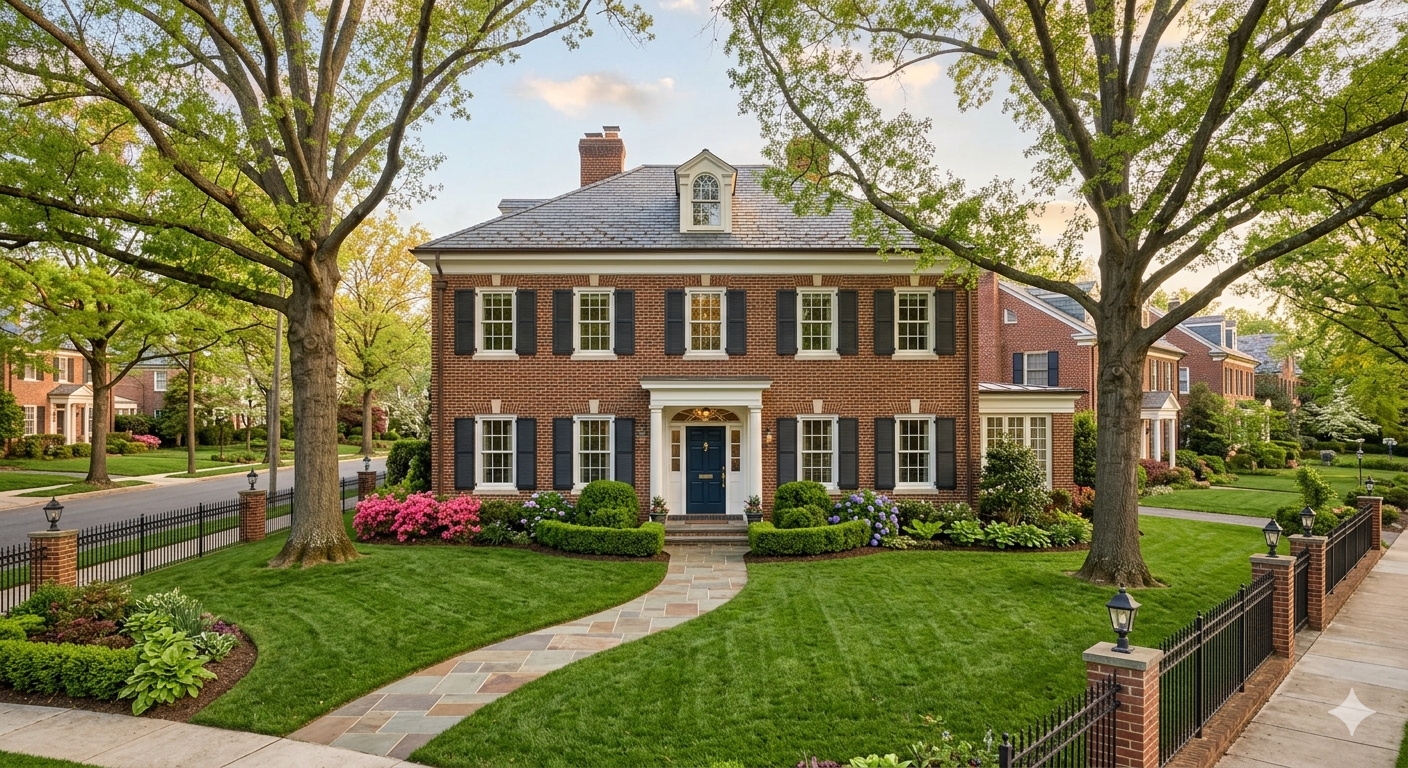
Buying your first home in DC, Maryland, or Virginia takes more preparation than most buyers expect. Knowing the most common mistakes ahead of time puts you in a far stronger position.
Why the DC Metro Homebuying Process Surprises So Many First-Time Buyers
Buying your first home in Washington, DC, Maryland, or Virginia is one of the most significant financial decisions you will ever make. The DC metro area is one of the most competitive real estate markets in the country, and the process here moves faster, costs more upfront, and requires more preparation than most first-time buyers expect. That gap between expectation and reality is exactly what catches so many first-time buyers off guard. With 23+ years of experience and more than $780 million in career sales volume, I have worked alongside hundreds of first-time buyers across Georgetown, Bethesda, Arlington, and Alexandria. The same patterns come up again and again. First-time buyers make predictable mistakes, not because they are careless, but because no one explained what to expect. This post is about changing that.
Mistake 1: Starting the Search Before Getting Pre-Approved
This is the most common and most costly mistake first-time buyers make in the DC area. Many buyers begin attending open houses, browsing Zillow for hours, and even reaching out to listing agents before they have a pre-approval letter in hand. In a market like Washington, DC, or Bethesda, that approach sets you up to lose.
Sellers in this market, especially at the move-up and luxury level, will not take an offer seriously without a lender letter attached. In neighborhoods like Spring Valley, Wesley Heights, or McLean, homes can receive multiple offers within 48 to 72 hours of hitting the market. If you are not already pre-approved, you simply cannot move fast enough to compete.
Pre-approval is not the same as pre-qualification. Pre-qualification is a quick estimate based on self-reported numbers. Pre-approval involves a lender actually reviewing your income documentation, credit report, and assets and issuing a letter that carries real weight with sellers. Get pre-approved first, then start your search.
What to Know About Lending in DC, Maryland, and Virginia
Each jurisdiction has its own nuances when it comes to mortgage products, transfer taxes, and closing costs. Virginia, Maryland, and DC each handle recordation taxes and settlement fees differently, and those differences can add up to thousands of dollars. A local lender who regularly closes loans in all three jurisdictions will know what to expect and can often move faster than a national bank or online lender who is unfamiliar with local title and settlement requirements.
For buyers in this market, jumbo loan territory begins at conforming loan limits, which are higher in the DC metro area than in most of the country due to local income levels. Your lender should be well-versed in jumbo loan guidelines if you are shopping above the conforming threshold. You can learn more about how jumbo financing works in the DC area in this related post on jumbo loans for DC, Maryland, and Virginia buyers.
Mistake 2: Underestimating Total Closing Costs
First-time buyers often focus entirely on the down payment and are blindsided by closing costs. In the DC metro area, closing costs can range from 2 to 5 percent of the purchase price depending on the jurisdiction, loan type, and whether the buyer negotiates any seller credits.
DC has some of the highest transfer and recordation taxes in the region, though first-time buyers in the District may qualify for a reduced recordation tax rate. Maryland’s closing costs vary by county. Virginia’s costs tend to be somewhat lower but still significant. Your lender is required by law to provide a Loan Estimate early in the process, and you should review it carefully with your agent and your attorney or settlement company.
A good rule of thumb is to budget at least 3 percent of the purchase price on top of your down payment for closing costs, home inspection fees, moving expenses, and the immediate needs that come with owning a new home. Many buyers arrive at settlement with exactly enough for their down payment and are surprised to need an additional wire for tens of thousands of dollars in closing costs.
Can You Ask the Seller to Cover Closing Costs?
Yes, and in certain market conditions it is reasonable to request a seller concession toward closing costs. However, in a competitive DC metro market where multiple offers are common, asking for a large concession can cost you the deal. This is a strategy conversation to have with your agent based on current conditions in the specific neighborhood you are targeting. In slower segments of the market, a seller credit toward closing costs is a common and reasonable ask.
Mistake 3: Falling in Love With a Home Before Understanding the Numbers
Emotion is part of buying a home. That is normal and human. But when first-time buyers in the DC area fall in love with a property before they understand what it will actually cost them to own it, they make decisions that create financial stress for years.
Beyond the mortgage payment, homeownership in DC, Maryland, and Virginia carries ongoing costs: property taxes, homeowners insurance, HOA dues if applicable, and maintenance and repair expenses. Older homes in Northwest DC, Bethesda, and Chevy Chase, while beautiful, can carry higher maintenance costs than newer construction in Northern Virginia.
A good buyer’s agent will help you think through total monthly and annual cost of ownership before you fall too deep into a property. Ask your agent to model out an estimated monthly payment that includes principal, interest, property taxes, insurance, and HOA fees so you have a realistic picture of what you are committing to.
Understanding HOA Rules in DC, Maryland, and Virginia Communities
Many condominiums, co-ops, and townhome communities throughout the DC area are governed by homeowners associations or condo associations. HOA fees can range from under $200 per month to well over $1,000 per month for luxury high-rises in DC or Bethesda. Before making an offer, your agent should help you request and review the HOA’s financial documents, meeting minutes, and any pending special assessments. A special assessment can mean an unexpected expense of thousands of dollars on top of your regular monthly dues.
Mistake 4: Skipping or Minimizing the Home Inspection
In a hot seller’s market, some buyers feel pressure to waive the home inspection contingency to make their offer more competitive. This is a decision that deserves serious thought, and in most cases for first-time buyers it is not one I recommend making lightly.
A home inspection is not just about finding problems. It is about understanding the full condition of a property so you can make an informed decision and, if the home has issues, negotiate accordingly. In older neighborhoods like Kalorama, Georgetown, and Capitol Hill, homes can have aging systems, foundation concerns, or environmental issues that are not visible during a normal showing. Without an inspection, you may have no way of knowing what you are walking into.
There are ways to remain competitive while still protecting yourself. One approach is to request a pre-inspection, where the seller allows buyers to inspect the home before submitting an offer. In that case, you can waive the inspection contingency in your offer while still having done your due diligence. Talk with your agent about what approach makes sense given current conditions in the specific market you are targeting.
What Inspectors Check for in DC Area Homes
A thorough home inspector in this region will evaluate the roof, HVAC systems, plumbing, electrical panels, foundation, and any visible signs of water intrusion or structural movement. Older DC and Maryland homes may also warrant radon testing, lead paint testing, and a sewer scope inspection. Each of these add-ons comes at an additional cost but can save you from a far more expensive surprise after closing.
Mistake 5: Not Understanding the Difference Between List Price and Market Value
First-time buyers sometimes assume the list price is what a home is worth. In a competitive market like the DC metro area, that assumption can lead to confusion when homes sell for well above asking price, or alternatively when an overpriced home sits on the market for months.
Market value is determined by comparable sales, current inventory levels, days on market, and the specific conditions of a neighborhood. List price is simply a strategy chosen by the seller. In high-demand neighborhoods like Bethesda, Chevy Chase, and Arlington, well-priced homes often generate multiple offers and sell above list price. In other cases, a seller may have priced above market, and the home will eventually need a price reduction to attract buyers.
Your agent’s job is to provide you with a comparative market analysis before you make an offer so you understand what comparable homes have actually sold for. This gives you a rational basis for your offer rather than simply reacting to the list price.
When Bidding Over Asking Price Makes Sense in the DC Metro
In certain neighborhoods and certain price ranges, offering above list price is not just common, it is expected. Your agent should be able to tell you, based on recent closed sales, how much above list price homes in your target area have been selling and over what time period. That data, combined with your budget and your level of motivation, should guide your offer strategy. For more on how to compete effectively in this market, read our related post on how to compete as a buyer in a low-inventory DC metro market.
Mistake 6: Choosing an Agent Who Does Not Know the Local Market
Real estate is licensed at the state level, but the DC metro area spans three separate jurisdictions, each with its own contract forms, disclosure requirements, and local customs. An agent who primarily works in one jurisdiction may not be fully fluent in the nuances of another.
For first-time buyers, this matters enormously. You need an agent who can explain how the contract process works in DC versus Maryland versus Virginia, who knows which neighborhoods fit your budget and lifestyle, and who can guide you through the offer and negotiation process with calm confidence. The wrong agent can cost you a home you loved or steer you into a situation you did not fully understand.
Look for an agent with a documented track record in the specific areas you are targeting. Ask how many buyer transactions they have closed in the past year and in which neighborhoods. Ask how they communicate, how quickly they respond, and what their strategy is for helping buyers compete in a low-inventory market.
Why Working With a Referral-Driven Agent Matters
An agent who builds their business primarily through referrals, as opposed to cold lead generation, has a strong incentive to make sure every client has a great experience. Referral-based agents know their reputation is on the line with every transaction. They are less likely to rush you into a decision or push you toward a home that does not fit your needs simply to close a deal.
Mistake 7: Waiting for the Perfect Moment to Buy
Some first-time buyers in the DC area spend months or years waiting for the market to shift in their favor. They wait for prices to drop. They wait for interest rates to fall. They wait for more inventory. And while they wait, they continue paying rent in one of the most expensive rental markets in the country.
The truth is that timing the market perfectly is nearly impossible, even for professionals who watch real estate data every day. The best time to buy is when you are financially ready, when you have a stable income and sufficient savings, and when you have found a home that genuinely fits your needs and your long-term goals.
Homeownership in the DC metro area has historically been associated with long-term value retention for patient owners. Values in neighborhoods like Chevy Chase, Potomac, McLean, and Georgetown have, in many periods, trended upward over time, though past market performance does not guarantee future results and outcomes vary depending on the property, timing, and market conditions. If you are planning to stay in a home for five or more years, the precise moment you buy often matters less than being financially prepared when you are ready to move forward.
Mistake 8: Not Having a Clear Sense of Priorities Before You Start
First-time buyers often begin the search with a wish list that evolves significantly once they start seeing homes. That is natural. But buyers who have not thought through their true priorities, the things they cannot live without versus the things they are willing to compromise on, tend to take longer to find a home and sometimes make decisions they later regret.
Before your search begins, have an honest conversation with your agent about your non-negotiables. Is it school districts? Commute time? Walkability? Parking? Outdoor space? Lot size? Home age and condition? In the DC metro area, you will almost always have to make some tradeoffs. Understanding which ones you can live with, and which ones you cannot, will make your search faster and less stressful.
For buyers with families, school quality is often a top driver of neighborhood choice across Bethesda, Great Falls, McLean, and Arlington. School ratings and boundaries change; buyers should verify enrollment eligibility and current performance data directly with the relevant school district before making any decisions based on school information. For buyers relocating from out of the area, commute access to the Metro or major highways is frequently a deciding factor. The more clarity you have going in, the better your agent can serve you.
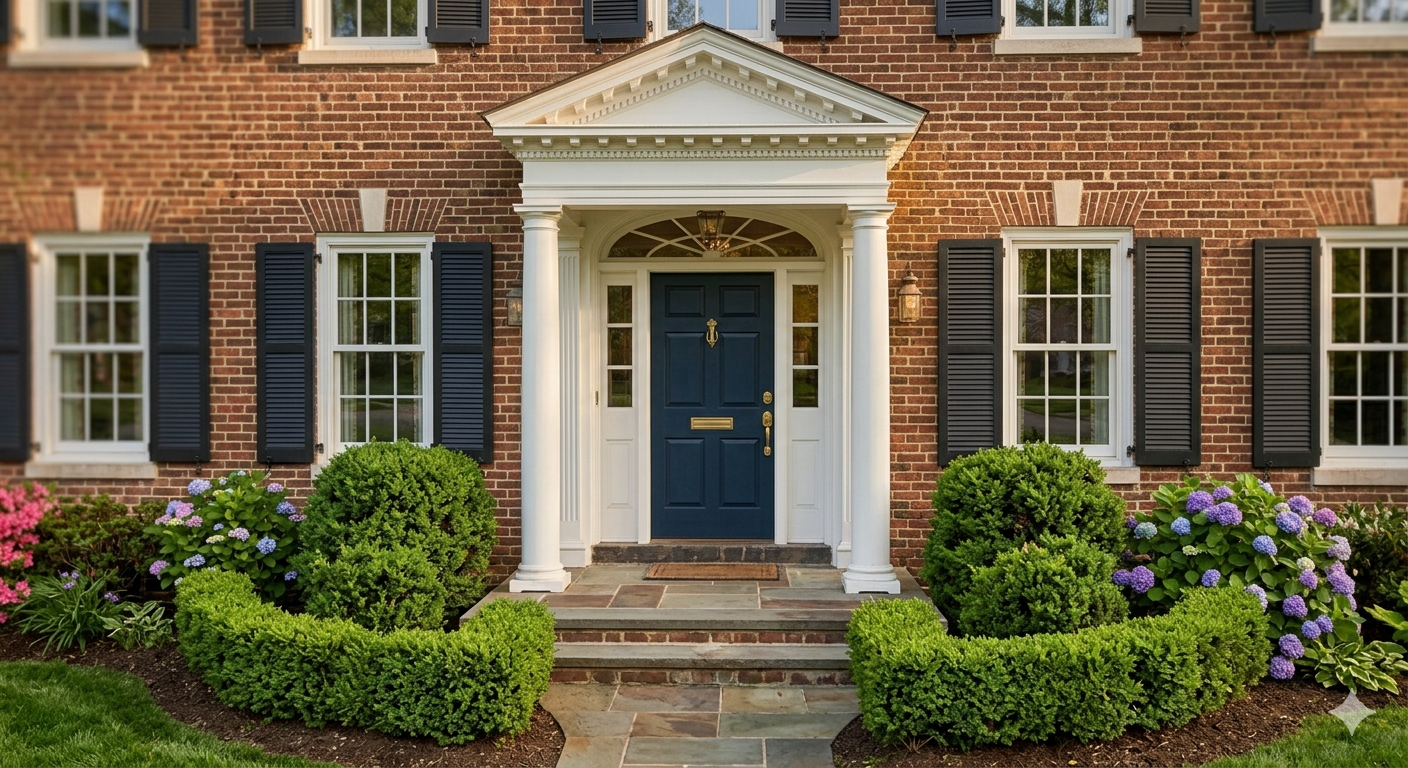
A home inspection is one of the most important protections a first-time buyer has in the DC metro area. Understanding what inspectors look for, and when to negotiate, can save you from costly surprises after closing.
How Matt Cheney Helps First-Time Buyers in DC, Maryland, and Virginia
Buying your first home in the DC metro area does not have to feel overwhelming. With the right guidance, the process becomes manageable, even in a fast-moving market. I work closely with first-time buyers across Washington, DC, Bethesda, Arlington, Alexandria, McLean, and Chevy Chase to make sure they understand every step before they take it.
My approach is grounded in education, transparency, and calm strategy. I do not rush clients into decisions. I help them understand the data, weigh their options, and move with confidence when the right home comes along. With more than $780 million in career sales volume and 23+ years of experience across DC, Maryland, and Virginia, I bring the depth of local knowledge that first-time buyers in this market need.
If you are preparing to buy your first home in the DC area, I would welcome the chance to connect. Reach out through mattsold.com to start a conversation.
Frequently Asked Questions: First-Time Buyers in DC, Maryland, and Virginia
What is the biggest mistake first-time buyers make in the DC metro area?
Starting the home search before obtaining a mortgage pre-approval is one of the most common and costly errors. In a competitive market, sellers and their agents will not take an offer seriously without a lender letter. Getting pre-approved first puts you in a much stronger position.
How much do I need for a down payment to buy in Washington, DC?
Down payment requirements vary by loan type. Conventional loans typically require between 3 and 20 percent down. FHA loans allow as little as 3.5 percent down for qualified buyers. DC also offers first-time buyer assistance programs that can help with down payment and closing costs. Your lender can walk you through the options that fit your financial situation.
Are there first-time homebuyer programs available in DC, Maryland, and Virginia?
Yes. All three jurisdictions offer programs designed to assist first-time buyers. DC has historically offered the Home Purchase Assistance Program (HPAP). Maryland has offered programs through the Maryland Mortgage Program administered by the Maryland Department of Housing and Community Development. Virginia has offered programs through the Virginia Housing Development Authority (VHDA). Program names, eligibility requirements, and benefit amounts change frequently; buyers should verify current availability directly with each agency or through a qualified lender.
Should a first-time buyer waive the home inspection in a competitive offer?
Waiving an inspection entirely is a significant risk, especially for first-time buyers who may not be experienced enough to identify potential issues during a showing. One alternative is to request a pre-inspection before submitting your offer, allowing you to waive the inspection contingency while still understanding the home’s condition. Discuss this strategy with your agent based on the specific property and market conditions.
How long does it typically take to buy a home in the DC metro area?
Once you are under contract, settlement typically takes 30 to 45 days in this region depending on the lender, the complexity of the transaction, and any contingencies. Finding the right home can take anywhere from a few weeks to several months depending on your criteria, budget, and the level of competition in your target neighborhoods.
What closing costs should a first-time buyer expect in Washington, DC?
Closing costs in DC typically include lender fees, title insurance, recordation and transfer taxes, and settlement agent fees. First-time buyers in DC may be eligible for a reduced recordation tax rate. Total closing costs often range from 2 to 4 percent of the purchase price. Budget conservatively and ask your lender for an itemized Loan Estimate early in the process.
What should I look for in a real estate agent as a first-time buyer in DC?
Look for an agent with demonstrated experience working with buyers in the specific neighborhoods you are targeting, strong communication habits, and a reputation built on referrals rather than advertising. An experienced buyer’s agent will educate you throughout the process, help you understand current market conditions, and advocate for your interests during negotiation and inspection.
Is it better to buy in DC, Maryland, or Virginia as a first-time buyer?
That depends on your budget, lifestyle priorities, commute needs, and long-term plans. DC offers walkability and urban living but at higher price points. Maryland suburbs like Bethesda and Chevy Chase offer school options buyers often evaluate and proximity to the city; buyers should verify enrollment eligibility and current school performance data directly with the relevant district. Virginia communities like Arlington and Alexandria offer competitive prices and strong transit access. A knowledgeable agent who works across all three jurisdictions can help you compare your options carefully.
What is the most important financial step before buying a home in the DC area?
Getting pre-approved for a mortgage is the most important first step. This confirms how much you can borrow, strengthens your offer, and allows you to move quickly when you find the right home. You should also review your savings carefully to make sure you have enough for both the down payment and closing costs combined.
The Final Word on First-Time Buyer Mistakes in DC, Maryland, and Virginia
The DC metro market is competitive, nuanced, and fast-moving. First-time buyers who come prepared, with their financing in order, their priorities clear, and an experienced agent at their side, navigate it with far less stress and far better outcomes. The mistakes covered in this post are not inevitable. They are avoidable with the right guidance and the right preparation.
If you are getting ready to buy your first home in Washington, DC, Maryland, or Virginia and want to work with an advisor who will take the time to make sure you truly understand the process, I am here to help. Visit mattsold.com to get in touch.
About Matt Cheney
Matt Cheney is a top-producing real estate advisor with Compass in Washington, DC, Bethesda, Maryland, and McLean Virginia, guiding buyers and sellers across DC, Maryland, and Virginia through high-stakes moves, from luxury sales to estates, downsizing, luxury condominiums and divorce-related transactions. With over $780 million in career sales volume and 23+ years of experience, Matt is consistently ranked in the Top 1.5% of agents nationally by RealTrends America’s Best and has been named a Washingtonian Top Agent five years running. He is known for calm, strategic guidance and a straightforward approach to complex and sensitive real estate situations. Matt Cheney | Compass Real Estate is committed to the principles of the Fair Housing Act and the Equal Opportunity Act.
Matt Cheney | Compass Real Estate is committed to the principles of the Fair Housing Act and the Equal Opportunity Act. All real estate services are provided without regard to race, color, national origin, religion, sex, familial status, or disability.