

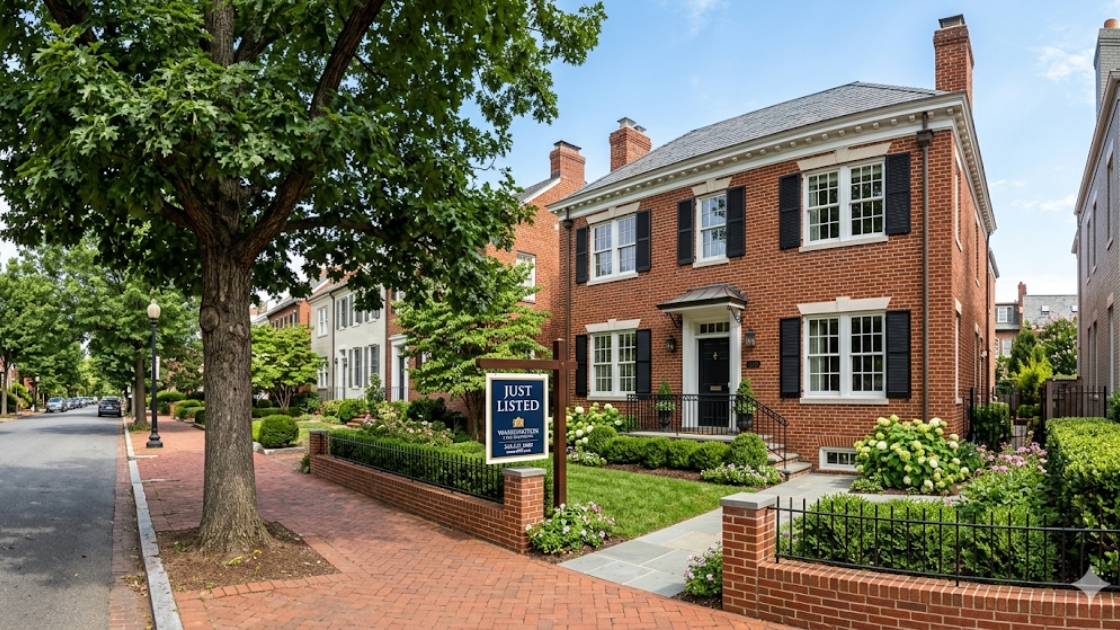
Of all the numbers that appear on a real estate listing, days on market might be the most informative and the most misread. It counts the days since a home was listed. But what it actually tells you, when you know how to interpret it, is whether a seller is in a strong negotiating position or a weak one, whether a home is priced correctly for its market, and whether the neighborhood has the kind of consistent demand that supports long-term value.
What Days on Market Is Actually Measuring
Days on market, commonly shortened to DOM, counts the number of calendar days from when a property is listed on the MLS to when it goes under contract. It resets if the listing is withdrawn and relisted, though most experienced agents also track cumulative days on market, which captures the total time a property has been available across all listing periods. Both numbers are worth looking at.
In neighborhoods with strong, consistent demand, average DOM tends to be low. Buyers who wait to think about a property too long often find it gone. In areas with softer demand, or at price points where buyers have more options, DOM tends to stretch. The number itself is not good or bad. It is a signal, and signals need context to be useful.
What a High Days on Market Number Tells Sellers
If your home has been on the market significantly longer than comparable properties in your neighborhood, there are a limited number of explanations. The most common is that the price is too high relative to what buyers see when they compare your home to what else is available at that price point. The second most common is a presentation issue, something about condition, staging, or photography, that is not landing well with buyers who have seen the home in person or online. Less commonly, there is something specific about the property itself, a layout that does not work for the way people want to live, a location factor, or a structural item, that is creating consistent hesitation.
The challenge with a rising DOM number is that it compounds. Buyers notice how long a home has been sitting. The longer it sits, the more they wonder what is wrong with it. A price reduction at 60 days often generates less activity than a correct price at day one would have, because the market has already seen and passed on the property. This is the strongest argument for getting pricing right before you list.
What Days on Market Means for Buyers
For buyers, DOM is one of the most useful data points available before making an offer. A home that has been on the market for 45 to 90 days in a neighborhood where the average is 10 to 14 days is sending a clear signal. The seller has had time to become more realistic about price. The pool of competing buyers for that specific property has likely thinned. Your negotiating position is materially better than it would have been in the first week of the listing.
That said, a high DOM is not automatically a green light. It is a prompt to ask why. Sometimes the answer is opportunity. Sometimes the answer is that the property has a problem that every buyer before you already found and walked away from. Working with an agent who can get that context from the listing agent and analyze what the inspection history looks like is how you tell the difference.
You may also like: What Every Home Seller in Washington DC Needs to Know Before Listing, What Sellers in DC and Maryland Should Know About Contingent Offers in 2026, and What Buyers in the DC Metro Area Should Know About Contingencies Before Making an Offer
How DOM Trends Reflect the Broader Market
When you look at average days on market across a neighborhood or price tier over time, you get a much clearer picture of market conditions than a single listing can give you. Average DOM trending down over several months typically signals increasing buyer demand and a move toward a more competitive environment. Average DOM trending up typically signals softening demand, increasing inventory, or a price mismatch that is spreading across the market. This kind of trend data is one of the more reliable indicators of where the market is heading, not just where it is today.

How Matt Cheney Uses DOM Data for Buyers and Sellers
For sellers, Matt uses days on market data to set realistic expectations before listing, inform pricing strategy, and identify the right moment to make adjustments if a listing is not generating the activity it should. For buyers, he uses neighborhood DOM trends to calibrate how quickly to move when the right property appears and to build offer strategies that reflect actual market conditions rather than assumptions. Reach out at MattSold.com to talk through what the data looks like in the area you are focused on.
Frequently Asked Questions
What is a typical days on market for homes in Washington, DC?
It varies considerably by neighborhood, price point, and current market conditions. High-demand Northwest DC neighborhoods often see well-priced homes go under contract in under a week. In a more balanced market or at higher price points, two to four weeks is more typical. Your agent can pull current averages for the specific areas you are watching.
Does a high days on market always mean something is wrong with the home?
Not always. Pricing, market seasonality, or simply being listed at a slow time of year can all contribute to higher DOM without there being anything wrong with the property. The question is whether the DOM is high relative to comparable homes in the same neighborhood and price range, and why.
Does relisting reset days on market in DC?
Yes. Official days on market resets when a listing is withdrawn and relisted. However, cumulative days on market is tracked separately and is visible to agents who know how to look for it. Experienced buyers working with knowledgeable agents will check both figures.
How do I use days on market when making an offer on a home in DC?
A higher DOM relative to neighborhood comparables typically gives you more room to negotiate on price and terms. A lower DOM, particularly in a competitive neighborhood, usually means you need to move quickly and keep contingencies clean to have a competitive offer.
What is the best way to avoid high days on market when selling?
Price the home correctly before you list, based on a thorough analysis of recent comparable sales. Address the preparation and presentation items that create buyer hesitation. And work with an agent who will tell you the honest number rather than the flattering one when it comes to pricing.
Final Word
Days on market is a number worth paying attention to, whether you are buying or selling. For sellers, it is a daily signal about whether your pricing and presentation are landing. For buyers, it is a window into the negotiating dynamics of any property you are considering. If you want to understand what the current DOM data is telling you about a specific neighborhood or property in the DC metro area, reach out to Matt directly.
About Matt Cheney
Matt Cheney is a top-producing real estate advisor with Compass in Washington, DC, guiding buyers and sellers across DC, Maryland, and Virginia through high-stakes moves, from luxury sales to estate settlements, downsizing, and divorce-related transactions. With over $779 million in career sales volume and 22 years of experience, including more than two decades working on complex and sensitive real estate situations, Matt is known for calm, strategic guidance and brings hundreds of successful sales to clients seeking clarity and support during life transitions.