

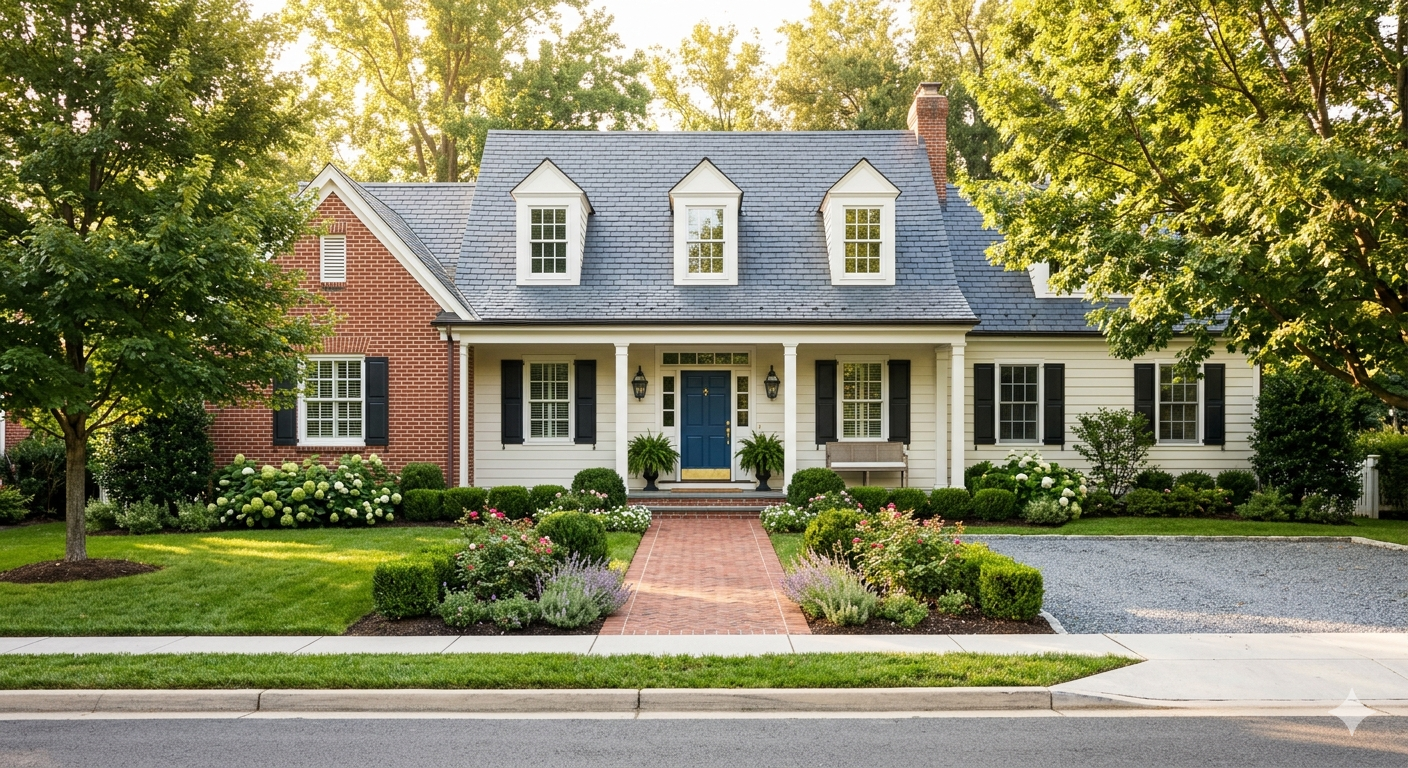
First impressions are set before a buyer walks through the door. Curb appeal and exterior preparation are essential steps in the pre-listing checklist.In the DC metro area real estate market, the weeks before your home hits the market are often more important than the weeks after. Buyers in Washington, DC, Maryland, and Virginia are well-informed, and the homes that generate the strongest offers are almost always the ones that were prepared thoughtfully and priced correctly from the start. This pre-listing checklist is designed to walk you through what actually moves the needle, so you are not leaving money on the table or scrambling to fix things after buyers have already formed their first impression.
Step 1: Have an Honest Conversation About Condition
The single most common mistake sellers in the DC metro area make is overestimating how a buyer will perceive their home’s condition. Things you have lived with for years, a sticky door, a dated bathroom, a deck that needs staining, are things buyers will either discount heavily or use as negotiating leverage. The goal of the pre-listing phase is to close that gap before it costs you.
Start with a walk-through of every room and write down anything that is broken, worn, dated, or incomplete. Then separate that list into two categories: things that are worth fixing before you list, and things that are better left as-is and priced accordingly. An experienced listing agent who knows the DC, Maryland, and Virginia market can help you make those calls intelligently, because not every repair translates into a dollar-for-dollar return.
Items to Evaluate Honestly
- Roof condition and age
- HVAC system condition and service records
- Water heater age
- Windows: drafts, fogging, or broken seals
- Plumbing: leaks, slow drains, visible water damage
- Electrical panel age and condition
- Foundation: cracks, settling, water intrusion
- Basement: moisture, mold, or prior flooding
- Deck or patio: structural integrity and surface condition
- Interior paint: scuffs, holes, outdated colors
Step 2: Declutter and Depersonalize Before Anything Else
Decluttering is not about making your home look staged in a superficial way. It is about giving buyers the visual space to imagine their own life in your home. In many older homes in Northwest DC, Bethesda, Chevy Chase, and McLean, rooms have been adapted over decades to fit a specific family’s needs. Before buyers can see the home’s potential, you need to clear the clutter that reflects your history in the space.
Depersonalization goes alongside decluttering. Family photos, children’s artwork on the refrigerator, sports memorabilia, and highly personal collections can all work against you in a listing. Buyers need to project themselves into the space, and personal items make that harder. This is not a reflection on your taste. It is a practical step that consistently helps listings perform better.
Decluttering Checklist
- Clear kitchen counters to two or three intentional items maximum
- Remove excess furniture from living and dining rooms
- Clear closets to roughly 50 to 60 percent capacity to show storage space
- Empty or organize the garage so it reads as functional space
- Remove personal photos from walls and surfaces
- Clear bathroom counters entirely except for a few decorative items
- Pack up seasonal items, hobby equipment, and anything in storage rooms
- Clear the basement if it is used for storage so buyers can assess the space
Step 3: Address the High-Impact Repairs First
Not all repairs are created equal. In the DC metro area market, buyers and their agents are experienced, and home inspectors are thorough. Certain deficiencies will almost certainly surface during inspection and become negotiating points even if your home goes under contract at a strong price. Addressing the highest-impact items before you list protects your price and reduces the chance of a deal falling apart.
Repairs That Typically Deliver the Most Return
- Fresh interior paint in neutral tones throughout the home
- Repairing or replacing worn flooring, particularly in high-traffic areas
- Fixing leaky faucets, running toilets, and visible plumbing issues
- Replacing outdated light fixtures with clean, modern options
- Addressing any soft spots on decks or porches
- Touching up exterior paint or replacing weathered trim
- Cleaning or replacing caulk around tubs, showers, and sinks
- Replacing cracked or missing outlet covers and switch plates
- Servicing the HVAC system and having documentation ready
- Replacing burned-out bulbs throughout the home
In Northwest DC neighborhoods like Georgetown, Spring Valley, and Wesley Heights, as well as in Maryland markets like Bethesda and Potomac, buyers at higher price points have elevated expectations around condition. The pre-listing repair investment that matters most in these markets is one that removes any reason for a buyer to feel uncertain.
Step 4: Think Carefully About Curb Appeal
The exterior of your home sets the tone before a buyer walks through the door. In competitive DC metro area neighborhoods, where buyers are often comparing multiple homes in a single weekend, first impressions matter more than sellers sometimes expect. Your curb appeal does not need to be extraordinary. It needs to be clean, well-maintained, and welcoming.
Curb Appeal Checklist
- Power wash the driveway, walkway, and front steps
- Trim hedges and shape shrubs so they look intentional, not overgrown
- Mow and edge the lawn or hire a landscaping service for a clean cut
- Replace or paint the front door if it looks worn or dated
- Update house numbers if they are faded or difficult to read
- Add a new doormat and a potted plant or two by the entrance
- Clear the gutters if they are visibly full or sagging
- Paint or stain the fence if there is one and it looks weathered
- Pressure wash or repaint any faded exterior sections

Decluttered, clean kitchen spaces allow buyers to project their own vision. Preparation before listing consistently leads to stronger offers.
Step 5: Prepare for Professional Photography
In the DC metro area, professional real estate photography is the standard, not the exception. Listings with high-quality photos consistently receive more showings and more competitive offers than listings with average or poor photography. Your preparation for the photo shoot is just as important as the photographer’s skill.
Photography Preparation Checklist
- Open all window treatments to maximize natural light
- Remove vehicles from the driveway for exterior shots
- Clear all counters, bathroom surfaces, and tabletops
- Replace any burned-out bulbs and turn on all lights for interior shots
- Set the dining table simply if it photographs well
- Put away pet beds, bowls, and toys
- Ensure the lawn is freshly mowed and beds are weeded on photo day
- Remove trash cans from visible areas
- Straighten all artwork, pillows, and furniture
Step 6: Gather Your Documents and Disclosures
Sellers in DC, Maryland, and Virginia have specific disclosure obligations that vary by jurisdiction. Working with an experienced agent who knows the disclosure requirements in your specific market is essential. Beyond legal disclosures, having key documents organized and ready streamlines the transaction once you are under contract.
Documents to Gather Before Listing
- HOA documents, rules, financials, and transfer package if applicable
- Prior survey of the property
- Home warranty documentation if transferable
- HVAC, roof, and appliance warranties or service records
- Permits for any additions, renovations, or improvements
- Prior home inspection reports if available
- Utility bills for the past 12 months for buyer reference
- Condo or co-op board documents if applicable
Step 7: Discuss Pricing Strategy Carefully
Pricing your home correctly from the start is one of the most consequential decisions you will make. In the DC metro area, overpriced listings almost always end up selling for less than they would have if priced correctly at launch. Buyers and their agents notice when a home sits on market, and they factor that time into their offers.
A strong pricing strategy is based on current comparable sales, active competition, and an honest assessment of your home’s condition and position in the market. It is not based on what you paid, what you need to net, or what a neighbor sold for three years ago. Working with an agent who will have a candid conversation about pricing, even when the number is not what you hoped for, is a sign of the guidance that actually protects your interests.
Matt Cheney has been advising sellers across Washington, DC, Maryland, and Virginia for 22 years. With over $779 million in career sales volume and a top 1.5% national ranking by RealTrends America’s Best, Matt brings the market knowledge and honest counsel that sellers need to price with confidence and sell without regret. Learn more about working with Matt at mattsold.com.
For additional guidance on preparing to sell, see What Every Home Seller Needs to Know.
Step 8: Plan Your Showing Strategy
How your home is shown matters as much as how it looks in photos. Sellers who accommodate showings generously, keep the home consistently clean during the listing period, and plan for pets and children during showings create a better buyer experience. Better buyer experiences lead to stronger emotional engagement with the home, and stronger engagement leads to stronger offers.
Showing Preparation Checklist
- Agree to a showing window that is as broad as reasonably possible
- Have a plan for pets during showings, including kenneling or removing them
- Keep cleaning supplies accessible for quick touch-ups between showings
- Turn on all lights and open all window treatments before showings when possible
- Eliminate strong odors from cooking, pets, or air fresheners that may be off-putting
- Remove valuables, prescription medications, and personal financial documents
- Leave the home during all showings so buyers can speak freely
Frequently Asked Questions About Pre-Listing Preparation in DC, Maryland, and Virginia
How far in advance should I start preparing my home for sale?
For most homes in the DC metro area, starting two to four months before your target list date gives you enough time to complete repairs, declutter, and stage without rushing. Larger renovation projects may require more lead time.
Should I do a pre-listing inspection before selling my home?
A pre-listing inspection can be a useful tool, particularly for older homes. It allows you to identify and address issues before buyers do, and it signals transparency, which buyers and their agents tend to respond well to. Your agent can help you decide if it is the right move for your specific situation.
How much should I spend on repairs before listing my home?
There is no universal answer. The goal is to spend where the return is clear and avoid spending on improvements that will not translate to a higher offer. An experienced listing agent who knows your specific neighborhood and price range can help you allocate your pre-listing budget strategically.
Do I need to stage my home to sell it in the DC area?
Professional staging is not always necessary, but decluttering, depersonalizing, and thoughtful furniture arrangement almost always help. In higher price points in Bethesda, Georgetown, and McLean, staging is more commonly expected and tends to deliver a clear return.
What is the most important thing a seller can do before listing in DC, Maryland, or Virginia?
Have an honest, detailed conversation with an experienced listing agent before you do anything else. The decisions you make in the pre-listing phase, what to fix, how to price, when to list, should be based on current market data and neighborhood-specific knowledge, not general assumptions.
Does curb appeal really matter in the DC metro area?
Yes. First impressions shape a buyer’s emotional response before they walk through the door. In neighborhoods where buyers are comparing multiple homes on a single weekend, curb appeal can be the difference between a showing and a pass.
When is the best time of year to list a home in DC, Maryland, or Virginia?
Spring remains the strongest selling season in the DC metro area, with the highest buyer activity typically between February and May. Fall can also be productive. Winter listings can succeed in low-inventory conditions. Timing should be evaluated in the context of your specific situation and current market conditions.
What documents do sellers need to have ready in DC, Maryland, and Virginia?
Disclosure forms, HOA documents, permit history, appliance warranties, and utility records are among the most commonly needed items. Requirements vary by jurisdiction, and your listing agent can walk you through what is needed for your specific property.
How does pricing strategy affect how quickly a home sells in the DC area?
Correctly priced homes in the DC metro area sell faster and often at a stronger final price than overpriced homes that are eventually reduced. Price reductions can stigmatize a listing and invite lower offers. Starting at the right number is almost always the stronger strategy.
A Final Word on Selling in the DC Metro Area
Selling a home in Washington, DC, Maryland, or Virginia is not a casual process. The market rewards preparation, strategic pricing, and clear-eyed decision-making. This checklist is a starting point, but the specific steps that will matter most for your home depend on your property, your neighborhood, and what the current market is telling you. That is what an experienced advisor is for.
About Matt Cheney
Matt Cheney is a top-producing real estate advisor with Compass in Washington, DC, guiding buyers and sellers across DC, Maryland, and Virginia through high-stakes moves, from luxury sales to estate settlements, downsizing, and divorce-related transactions. With over $779 million in career sales volume and 22 years of experience, including more than two decades working on complex and sensitive real estate situations, Matt is known for calm, strategic guidance and brings hundreds of successful sales to clients seeking clarity and support during life transitions.
Thinking about listing your home? Visit mattsold.com to start the conversation.