

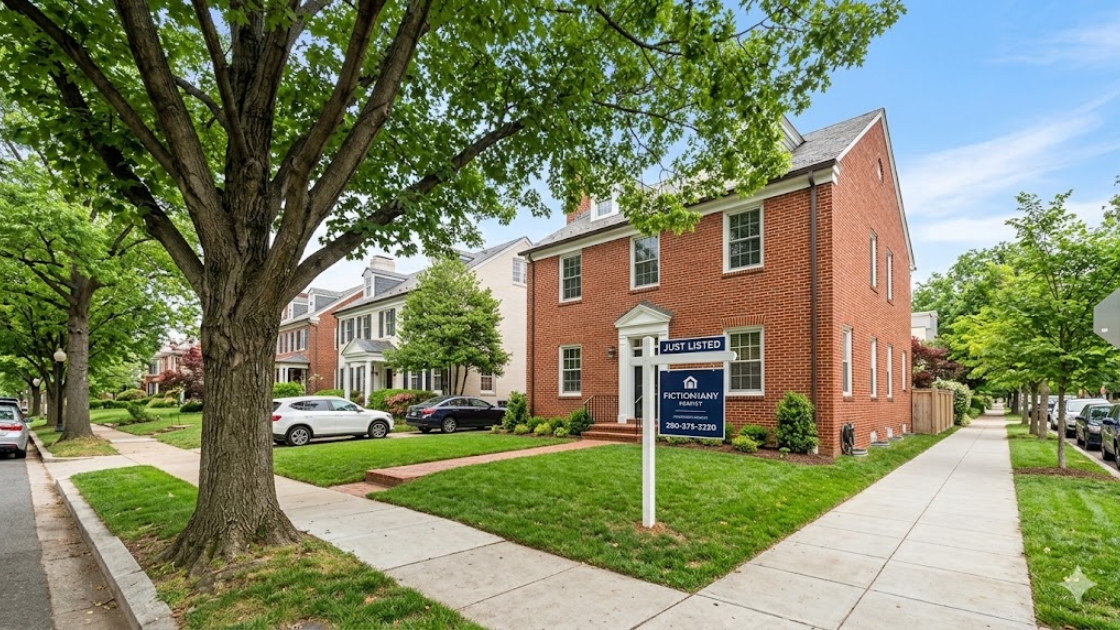
For most people who sell a home after retirement, the process involves more than pricing and showings. It involves figuring out what comes next, managing the tax and financial implications of a significant transaction, and often, stepping away from a home that carries years of personal history. That combination of practical complexity and emotional weight is something worth planning for, not improvising through.
Timing the Sale Around Your Actual Plans
One of the first questions retirement-age sellers face is when, exactly, the sale should happen. There is no universal right answer. Some homeowners prefer to sell while still employed, because income and employment documentation are easier to present to a lender if they plan to purchase another property. Others prefer to wait until after they retire so they can take their time with the transition and figure out where they want to live next without the pressure of an active job.
The timing decision becomes more complex if the sale will fund or influence other financial plans, a move to a new city, a shift in investment allocation, or a transition to a smaller or rental property. In those cases, the real estate transaction does not happen in isolation. It happens as part of a broader financial and lifestyle transition that your CPA and financial advisor should be involved in before you list.
Preparing a Long-Held Home for Market
Homes that have been lived in for 15, 20, or 30 years typically need more preparation work before going to market than homes that have been more recently updated. That is not a criticism of how they have been maintained. It is simply a reflection of how homes age and how buyer expectations have shifted in that time.
The most important areas to focus on are the systems and structural elements that buyers and inspectors will look at closely: the roof, HVAC, plumbing, electrical, and windows. These are the items that, if flagged on an inspection, tend to generate the largest repair requests or price adjustments. Addressing them before listing, or being prepared to reflect them in your pricing strategy, gives you more control over the outcome.
Beyond the mechanical items, the presentation work, decluttering, depersonalizing, and staging, helps buyers engage with the home’s actual space and character rather than its accumulated history. A thoughtful staging approach can make a meaningful difference in how quickly and at what price the home sells, particularly in DC area markets where buyers are experienced and have high expectations for presentation quality.
Tax and Financial Considerations Worth Understanding
This section is not tax or legal advice, and your CPA should be part of any significant real estate decision. That said, a few things are worth understanding before you sell a home you have owned for a long time.
The federal capital gains exclusion allows many sellers to exclude a portion of the gains from the sale of a primary residence from taxable income, subject to ownership and occupancy requirements. If your home has appreciated substantially over the years you have owned it, as many DC area properties have, it is worth understanding whether you will owe taxes on gains above the exclusion threshold. Coordinating the sale timeline with your annual income picture may also matter, particularly in years with other significant income events. Your CPA can model this before you list and help you think about timing in a way that reduces your overall tax exposure.
Thinking Through What Comes Next
The sale of a long-held home is almost always connected to a larger question about the next chapter. Some retirement-age sellers in the DC area choose to downsize within the region, moving to a smaller home or a condo that requires less maintenance while keeping them close to established relationships and familiar communities. Others use retirement as the opportunity to relocate closer to family, which may mean running a DC home sale at the same time as a purchase search in another city or state. A smaller number move directly to full-service or 55-plus communities, where the timing and availability of units can affect how you structure your DC sale.
Whatever the next step is, having it reasonably well-defined before you list tends to produce a smoother transaction. Sellers who know where they are going, and have a rough timeline for getting there, make better decisions during the sale process than those who are figuring it out on the fly.

How Matt Cheney Works with Retirement-Age Sellers
Matt has guided many clients through the sale of a long-held family home, including sellers navigating retirement moves, estate situations, and complex life transitions. The approach is direct: a clear pricing conversation based on actual market conditions, a realistic preparation plan, and a process that respects the weight of what is being asked. If you are thinking about what selling your home might look like in the next year or two, reaching out now gives you more time to plan and fewer decisions to make under pressure. Contact Matt at MattSold.com.
Frequently Asked Questions
Should I sell my home before or after I retire?
It depends on whether you plan to purchase another property, what your income picture looks like in both scenarios, and how clearly defined your next move is. Your agent, lender, and financial advisor should all be part of this conversation before you make a decision.
What are the tax implications of selling a home I have owned for a long time in DC, Maryland, or Virginia?
There are federal exclusions on capital gains from the sale of a primary residence, and state-level rules vary across DC, Maryland, and Virginia. Your CPA should review your specific situation, including your basis, your ownership and occupancy history, and your overall income picture for the year of the sale.
How should I handle a home that needs updating before selling?
Work with your agent to identify which updates and repairs are worth making and which are better reflected in the pricing strategy. Not every item needs to be fixed. The goal is to understand the cost-benefit of each investment relative to your specific property and the current buyer expectations at your price point.
Can I sell my DC area home and purchase another property if I am retired?
Yes, but how you qualify for a mortgage as a retiree may differ from how you qualified while working. Talk to a lender early in the process, before you list your current home, so you understand your options and can plan accordingly.
How does Matt Cheney work with sellers going through a major life transition?
Matt specializes in high-stakes moves including retirement-related sales, estate settlements, divorce situations, and downsizing. He brings direct experience, a calm approach, and a practical focus on what the seller actually needs from the process. Reach him at MattSold.com.
Final Word
Selling a home after retirement deserves the same careful planning as any other major financial decision in your life. The more clearly you understand the process, the tax implications, and your own next steps before you list, the smoother the experience will be. If you are thinking about what this might look like for you, a conversation now costs nothing and can save you a significant amount of time and stress later. Reach out to Matt directly.
About Matt Cheney
Matt Cheney is a top-producing real estate advisor with Compass in Washington, DC, guiding buyers and sellers across DC, Maryland, and Virginia through high-stakes moves, from luxury sales to estate settlements, downsizing, and divorce-related transactions. With over $779 million in career sales volume and 22 years of experience, including more than two decades working on complex and sensitive real estate situations, Matt is known for calm, strategic guidance and brings hundreds of successful sales to clients seeking clarity and support during life transitions.