

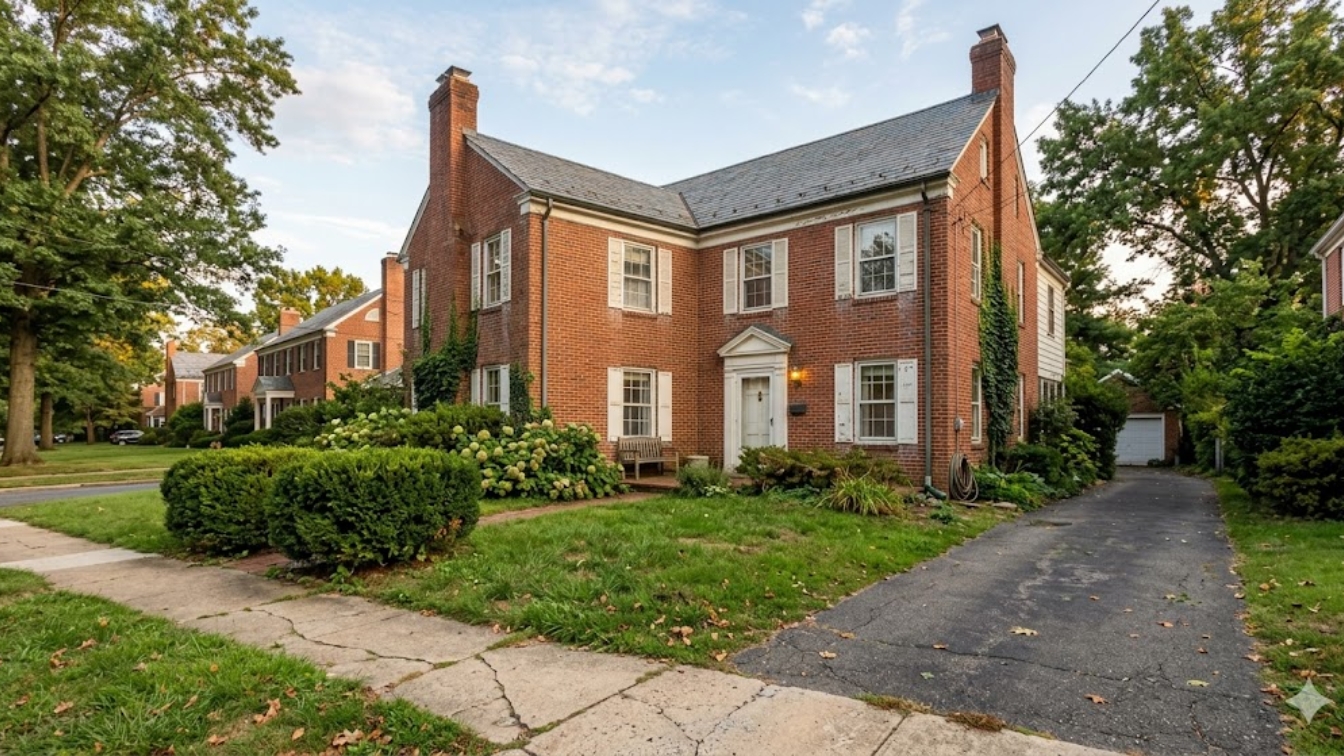
Inherited homes often need some preparation before they are ready for the market, and understanding the process from a legal and practical standpoint helps families move forward with clarity.
Selling an inherited home is different from a typical real estate transaction in a few important ways. There is often a legal process to work through before a sale can move forward, the property may have been sitting vacant for some time, and the emotions involved can add complexity to decisions that would otherwise feel straightforward. If you have recently inherited a home in Washington, DC, Maryland, or Virginia, here is a practical look at what the process involves.
Note: This blog provides general real estate guidance, not legal or tax advice. If you have questions about probate, estate administration, capital gains, or your specific legal situation, consult a licensed attorney or qualified tax professional.
What Happens When You Inherit a Home
When someone passes away and leaves real property, the transfer of ownership depends on how the estate is structured. In many cases, the home goes through probate, the legal process through which a court oversees the distribution of a deceased person’s assets. In other cases, a trust, a joint tenancy arrangement, or a transfer-on-death deed can allow the property to transfer outside of probate.
If the estate goes through probate, a personal representative or executor is appointed to manage the process. That person typically has the authority to list and sell the property, though the process may require court approval depending on the state and the terms of the estate. Timelines and requirements differ meaningfully across DC, Maryland, and Virginia, and procedures can change as courts update their rules. Working with an attorney who handles estate matters in the relevant jurisdiction is important before you take action on the property. Verify current timelines and requirements directly with qualified legal counsel.
If the home transfers outside of probate through a trust or other mechanism, the process tends to move more quickly. The successor trustee or designated beneficiary can typically move forward with the sale once the transfer documents are in order.
Decisions You May Need to Make Before Listing
Before a home can be listed for sale, a few practical decisions often need to be made. If the home has been vacant, it may need a thorough cleaning, basic maintenance, and possibly repairs before it is ready for the market. Utilities may need to be reestablished if they were shut off after the previous owner passed.
Personal property is often a significant consideration. If the home still contains furniture, clothing, artwork, and other belongings, those items need to be addressed before listing. Some families handle this through estate sales or donation. An estate sale company can manage the process if the volume of items is large.
There may also be siblings or other beneficiaries involved in the decision, which can complicate timelines if everyone is not in agreement about when to sell, how to price the property, or how to handle expenses in the meantime. Working through those conversations early, ideally with legal guidance, prevents delays later.
Understanding the Tax Side of an Inherited Property Sale
One of the most common questions people have about selling an inherited home is about taxes. In many cases, heirs may benefit from what is sometimes called a stepped-up basis, which means the cost basis of the property may be reset to the fair market value at the time of the original owner’s death rather than what they originally paid for it. This can reduce the capital gains tax owed on any profit from the sale, depending on the circumstances. Tax rules in this area are subject to change and can vary significantly based on how the estate is structured, the jurisdiction, and current federal and state law. A qualified CPA or estate attorney can give you accurate guidance for your situation.
Tax rules are complex and depend on the specifics of your situation, the type of estate, the jurisdiction, and how long you hold the property before selling. A qualified tax professional or estate attorney can give you accurate guidance for your circumstances. Do not make assumptions about the tax treatment of an inherited property without getting professional advice first.
You may also like: What Every Home Seller in Washington DC Needs to Know Before Listing, What are the most desirable neighborhoods for high-end homes in Washington DC, and The Best Luxury Neighborhoods in Maryland and Virginia
How to Price and Prepare an Inherited Property
Inherited homes often require a different approach to pre-sale preparation than a home a family has been actively living in. In many cases, the property has not been updated in years, and buyers will factor that into their offers. The question is not whether to make all possible improvements, but which ones are worth the investment given the condition of the home and the expected sale price.
In some cases, the best strategy is to sell the home as-is and price it to reflect its condition. In other cases, targeted updates, like fresh paint, cleaning, and basic repairs, can meaningfully improve buyer perception without a large upfront cost. The right approach depends on the property, the market, and what improvements buyers in that price range expect.
An agent who has worked with inherited and estate properties can walk you through the options honestly, without pressuring you toward more preparation than makes sense for the situation.

Many inherited homes need targeted preparation before listing, and a walkthrough with an experienced agent can help identify what is worth addressing before the home goes to market.
How Matt Cheney Works with Estate and Inherited Property Sellers
Matt has worked with many families navigating the sale of inherited and estate properties across DC, Maryland, and Virginia. He understands the pace that these situations require and the sensitivity that comes with selling a home that belonged to someone you loved.
His approach is straightforward: help the family understand their options clearly, coordinate with attorneys and other professionals as needed, and manage the sale process in a way that reduces the burden on the family as much as possible. If you are dealing with an inherited property and are not sure where to start, contact Matt directly for a current market analysis. There is no pressure to move quickly, and the first step is getting a clear picture of what you are working with.
Frequently Asked Questions
Can I sell an inherited home before probate is complete?
In most cases, no. The probate process needs to move forward before the estate has the legal authority to transfer ownership of the property. However, the timeline varies by state, and there are some situations where a sale can be initiated during probate with court approval. An estate attorney in the relevant jurisdiction can advise you on what is possible for your specific situation.
Do I have to pay capital gains tax when I sell an inherited home?
It depends on the specifics of your situation. Many heirs benefit from a stepped-up basis, which can reduce or eliminate capital gains tax on the sale. However, tax rules are complex and vary based on how the property was held, how long you own it before selling, and your individual circumstances. This is not tax advice. A qualified CPA or tax professional can give you accurate guidance for your circumstances.
What if multiple heirs disagree about selling an inherited home?
This is a common situation, and it can slow down the process significantly. In some cases, a partition action through the courts may be necessary if heirs cannot reach an agreement. The rules governing these actions have evolved in recent years across DC, Maryland, and Virginia, so consulting an estate attorney to understand your current options is important before assuming litigation is the only path. Working through a mediator or estate attorney early can sometimes help families reach a decision without going to court. An agent can help once there is legal clarity and agreement among the heirs.
Should I sell an inherited home as-is or make repairs first?
The right answer depends on the condition of the home, the local market, and how much work the property needs. In some cases, selling as-is to a buyer who wants a project is the simplest and most practical path. In other cases, targeted repairs and cleaning may attract a broader pool of buyers and may improve buyer response depending on the home and timing, though no specific result is guaranteed. An experienced agent can help you evaluate the options honestly.
How do I find a real estate agent experienced with estate sales in DC, Maryland, or Virginia?
Look for an agent who has handled estate and inherited property sales specifically, not just general residential transactions. Experience with this type of sale means the agent understands the pace, the coordination with attorneys, the condition challenges, and the emotional dynamics that come with the process. Contact Matt directly for a current market analysis and to discuss whether his experience with estate and inherited property transactions in DC, Maryland, and Virginia is the right fit for your situation.
Final Word
Selling an inherited home is not always simple, but it is manageable when you take the process one step at a time. Start with legal clarity, then move to the practical questions around condition and pricing. And work with people who understand this type of transaction, not just real estate in general. If you are navigating an inherited property in DC, Maryland, or Virginia and want to talk through where to start, reach out to Matt directly for a current market analysis. The process can move at whatever pace makes sense for your situation.
About Matt Cheney
Matt Cheney is a top-producing real estate advisor with Compass in Washington, DC, Bethesda, Maryland, and McLean Virginia, guiding buyers and sellers across DC, Maryland, and Virginia through high-stakes moves, from luxury sales to estates, downsizing, luxury condominiums and divorce-related transactions. With over $780 million in career sales volume and 23+ years of experience, Matt is consistently ranked in the Top 1.5% of agents nationally by RealTrends America’s Best and has been named a Washingtonian Top Agent five years running. He is known for calm, strategic guidance and a straightforward approach to complex and sensitive real estate situations.
Matt Cheney | Compass Real Estate is committed to the principles of the Fair Housing Act and the Equal Opportunity Act. All real estate services are provided without regard to race, color, national origin, religion, sex, familial status, or disability.