

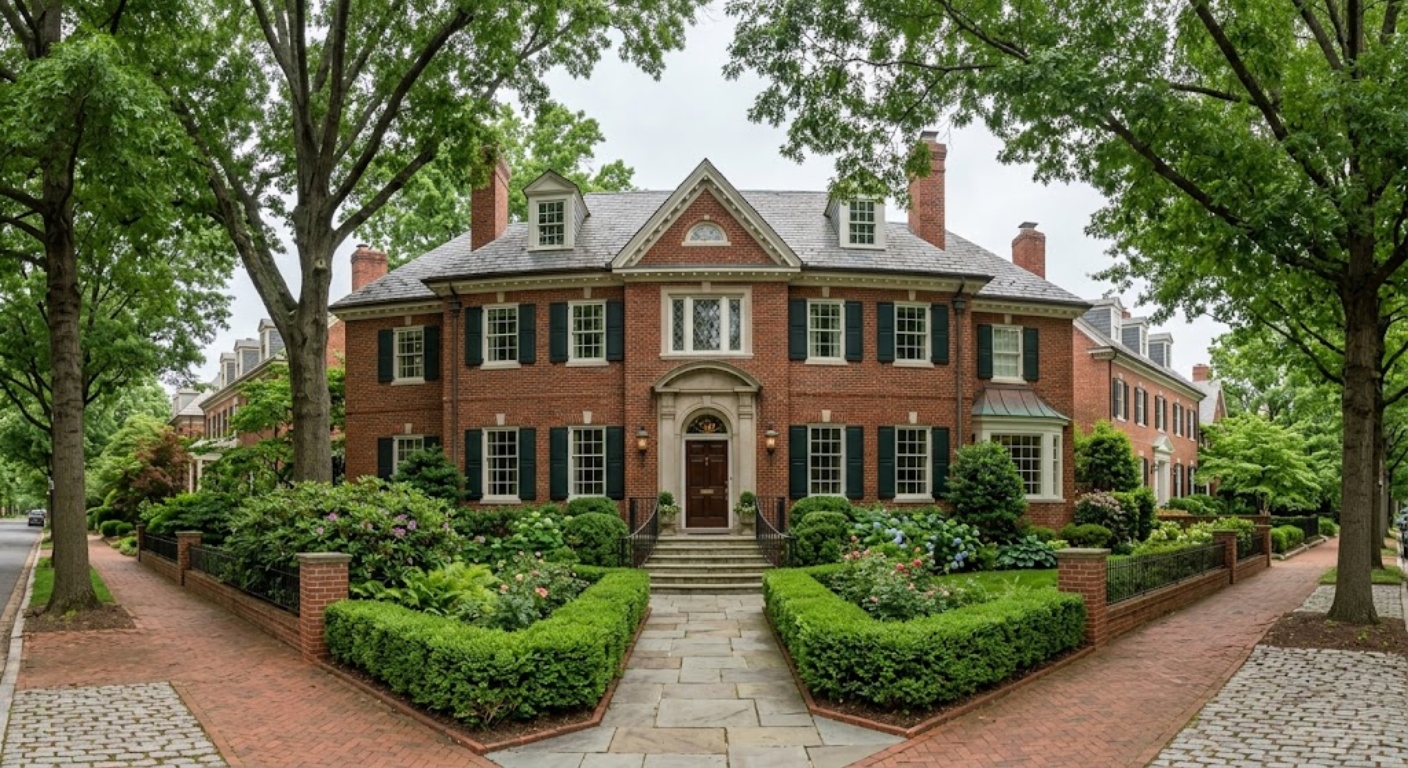
Estate properties in DC often feature architectural details, mature landscaping, and lot configurations that are difficult to find in newer construction.
Selling an estate property in Washington, DC is a different experience from a typical home sale. The property may have been in the family for decades. There may be multiple family members involved in the decision-making process. The home may not have been updated in years, or it may be full of belongings that need to be sorted before the property can be shown.
For families navigating this situation, understanding what the process looks like from a real estate perspective can make a significant difference in how the sale goes and how much time and stress it involves.
This is general real estate guidance, not legal advice. Probate, estate administration, and proceeds distribution involve legal decisions that depend on your specific facts and jurisdiction. Before acting on anything discussed here, review your situation with your attorney and, where relevant, a CPA or tax advisor.
What Makes Estate Property Sales Different
The most significant difference is the decision structure. In a standard sale, one or two homeowners make the calls. In an estate sale, there may be several family members, an executor, and possibly an attorney all with some role in the process. Reaching consensus on timing, pricing, and preparation takes longer and can be more complex than the real estate transaction itself.
The property condition is often another factor. A home that has been lived in by the same family for 30 or 40 years may have strong bones but dated finishes, deferred maintenance items, and systems that have aged out. This does not make the property unsellable. DC luxury buyers regularly acquire estate-era properties, particularly in Northwest neighborhoods like Georgetown, Spring Valley, Foxhall, Wesley Heights, and The Palisades. But it does affect how the property should be priced and how it should be presented.
Finally, the emotional dimension is real. Selling a family home is not the same as selling a house. That can affect the pace at which families make decisions, and it is worth building some buffer into the timeline to account for it.
Getting the Property Ready to List
Estate properties often require a clearing-out phase before any real estate preparation can begin. Furniture, personal belongings, artwork, and collectibles need to be sorted, distributed, donated, or removed. This step is often underestimated in terms of both time and emotional weight.
Once the property is cleared, there are typically decisions to be made about preparation. Some estate properties benefit significantly from targeted updates, fresh paint, refinished floors, or cosmetic refreshes that help buyers see the potential without distracting them with dated elements. Other properties are better positioned as-is, priced accordingly, and marketed to buyers who want to do a full renovation on their own terms.
The right call depends on the property, the market conditions at the time of listing, and how much time and budget the estate has available. There is no universal answer, but having that conversation early with an experienced agent gives the family the information they need to make a sound decision.
This guide on how to prepare a luxury home for sale in DC walks through the key questions sellers should address before the listing goes live.
You may also like: What Every Home Seller in Washington DC Needs to Know Before Listing, What Sellers in DC and Maryland Should Know About Contingent Offers in 2026, and What are the most desirable neighborhoods for high-end homes in Washington DC
Pricing an Estate Property in the DC Luxury Market
Estate properties require careful pricing. The characteristics that make them appealing, original architectural details, established lots, gracious floor plans, are also the characteristics that can be harder to value using standard comparable sales. The pool of truly comparable properties is often small.
At the same time, buyers in the DC luxury segment are clear-eyed about condition. A property that needs substantial updating will be priced accordingly in their minds regardless of what the seller expects. The family’s attachment to the property and what was paid for it originally are not pricing factors the market responds to.
The goal is to arrive at a price that reflects what a buyer who understands this market and this type of property would reasonably pay, given current conditions. That often requires honest conversation about condition adjustments and the realistic buyer profile for the specific property.
According to National Association of Realtors research, estate and inherited properties that are priced realistically from the start tend to attract better-qualified buyers and reach closing with fewer complications than those that require significant repositioning after an overpriced launch.
Managing Multiple Decision-Makers Through the Sale
When several family members are involved in the sale, clear communication is essential. Before anything goes to market, it helps to establish who the primary point of contact is, how decisions will be made when there is disagreement, and what the shared goals are for the sale.
Shared goals matter more than shared opinions. If everyone agrees that the priority is closing within six months at a fair price, the path forward is easier to navigate, even if family members have different views on specific decisions along the way. If priorities are misaligned from the start, those misalignments tend to surface at the most inconvenient moments of the process.
Having a real estate attorney involved, particularly if the property is going through probate, is often a practical necessity as much as a legal one. Your agent should be comfortable coordinating with that attorney throughout the process.
Frequently Asked Questions About Estate Property Sales in DC
Do we need to go through probate before selling an inherited home in DC?
Whether probate is required depends on how the property was held and the specifics of the estate. This is a question for the estate’s attorney, not for the real estate agent. It is worth clarifying early, because probate timelines can affect when the property can actually be listed and sold. Not all inherited properties require probate.
Should we update the estate home before listing it?
It depends on the property’s condition and the family’s resources and timeline. Some updates, fresh paint, floor refinishing, light fixture replacements, can meaningfully improve buyer response without large investment. Others require more substantial work that may not be feasible or worth pursuing given the timeline. The right approach varies by property and should be evaluated property by property with your agent.
How do buyers typically respond to estate-era properties in DC?
Buyers in the DC luxury market are often attracted to estate-era properties for the lot sizes, architectural character, and neighborhood positioning. They understand that these homes may need updating and will price their offers accordingly. Marketing an estate property to the right buyer, one who values the bones and the location, is the goal. Those buyers exist in good numbers in DC, particularly for well-located properties in Northwest neighborhoods.
What if family members disagree on the asking price?
This is common. The most useful step is to ground the conversation in market data rather than personal expectations. A detailed comparative market analysis from your agent, showing what genuinely comparable properties have sold for recently, gives the family something objective to discuss. When everyone is looking at the same data, it is often easier to reach consensus on a range that makes sense.
About Matt Cheney
Matt Cheney is a top-producing real estate advisor with Compass in Washington, DC, guiding buyers and sellers across DC, Maryland, and Virginia through high-stakes moves, from luxury sales to estate settlements, downsizing, and divorce-related transactions. With over $779 million in career sales volume and 22+ years of experience, Matt is ranked in the Top 1.5% of agents nationally by RealTrends America’s Best. He is known for calm, strategic guidance and a straightforward approach to complex and sensitive real estate situations.
Matt Cheney | Compass Real Estate is committed to the principles of the Fair Housing Act and the Equal Opportunity Act. All real estate services are provided without regard to race, color, national origin, religion, sex, familial status, or disability.