

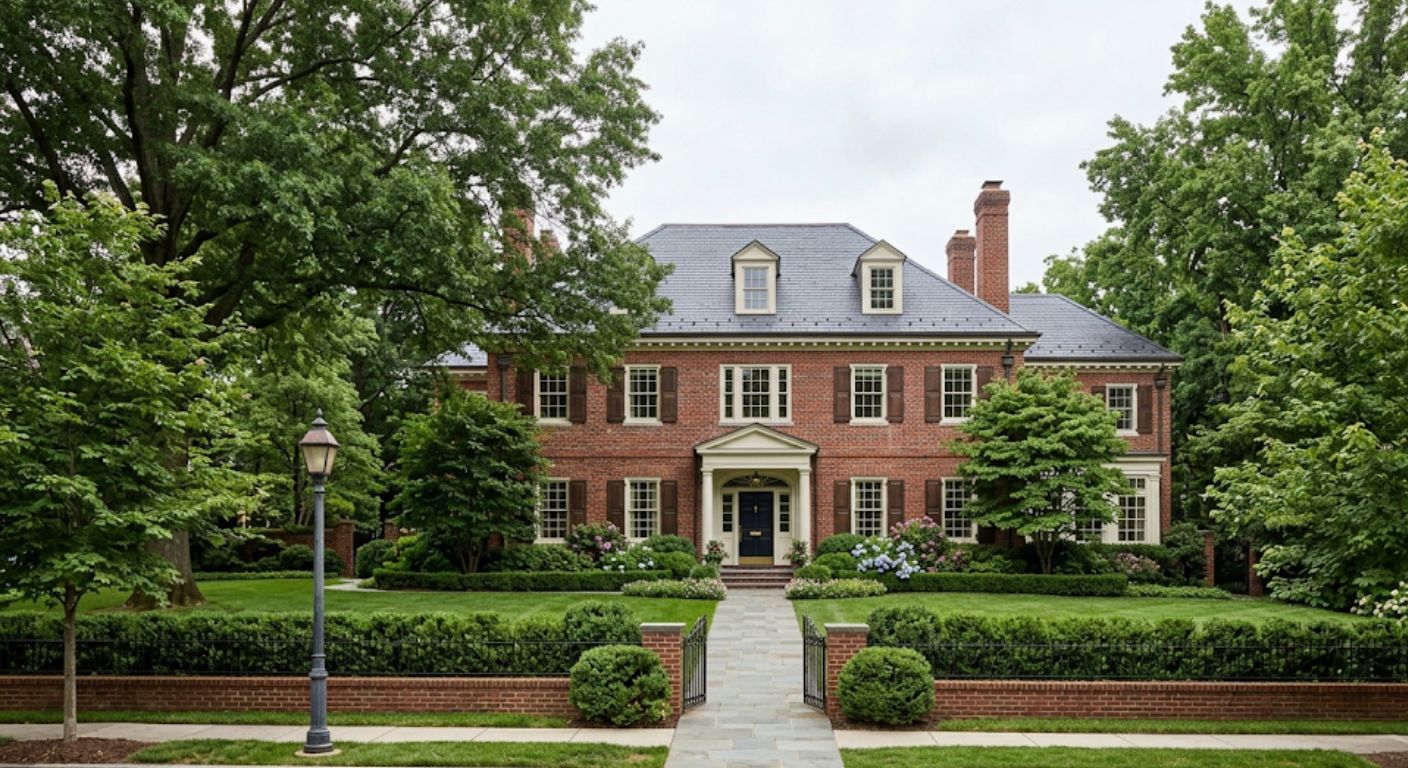
Selling an estate property is a different kind of transaction. It often involves a home that has been in a family for decades, a sale that is tied to a loss rather than a move, and a process that requires more coordination than a typical listing. In Washington, DC, where many estate properties are large, older homes in established Northwest neighborhoods, getting this right matters both financially and emotionally.
Here is what families need to understand before they start the process.
What Makes Estate Sales Different from a Standard Listing
The most important thing to recognize about selling an estate property is that the process starts earlier and involves more parties than a typical sale. Depending on how the property was held and the specifics of the estate, there may be legal steps that need to happen before the home can even be listed. Working with an estate attorney to get clear on title, authority to sell, and any other administrative steps is an important first move before engaging a real estate agent.
It is also common for estate properties to have been occupied for a long time, sometimes decades, without significant updating. Deferred maintenance, older systems, and furnishings and personal property that need to be removed are part of the reality of most estate sales. Knowing what you are working with before going to market is essential for pricing and preparation decisions.
The emotional weight of the process is real too. Families often disagree about timing, pricing, and what to do with the home and its contents. Having a clear decision-making structure in place, knowing who has authority to make decisions about the sale, reduces the friction significantly.
How to Think About Pricing an Estate Property
Estate homes in Northwest DC often carry significant value, but they require careful pricing. A home that has been in a family for 40 years will likely have features that feel dated to contemporary buyers, alongside architectural character and location that buyers in this market actively value. The balance between those factors is what drives the pricing conversation.
Overpricing an estate property is a common mistake. Families sometimes attach sentimental value to the home that does not translate directly into market value. The right price is grounded in what comparable properties in the same neighborhood and condition range have actually sold for, not in what the family believes the home should be worth.
The good news is that well-located estate properties in Northwest DC often attract serious buyer interest. Buyers at the luxury level who are looking for homes with genuine architectural character, mature landscaping, and established addresses tend to find estate properties appealing when they are priced and presented correctly.
Preparing an Estate Property for Sale
Preparation for an estate sale typically involves more steps than a standard listing. The personal property needs to be cleared before the home can be properly assessed, photographed, or shown. This often means working with an estate sale company, coordinating with family members on the distribution of items, or engaging a professional organizer or clearance service.
Once the property is cleared, a realistic assessment of condition is needed. Some estate properties benefit from targeted repairs or updates before listing. Others are better sold in their current condition at a price that reflects the work needed. The right approach depends on the condition of the home, the depth of buyer demand at the relevant price point, and the timeline the family is working with.
Professional photography and a well-prepared presentation matter even for estate properties. Buyers at this level expect a certain level of presentation, and homes that are photographed poorly or shown without care often struggle to attract the right level of attention regardless of their underlying value.
The DC Office of Tax and Revenue maintains property assessment and ownership records that can be useful during the estate process, particularly for understanding current assessed value and confirming title details as part of the pre-listing preparation.
Working with Multiple Family Members Through the Process
Estate sales often involve multiple heirs, sometimes with different priorities, timelines, and emotional relationships to the property. This can create friction at every stage of the process, from the decision to sell to the pricing conversation to the review of offers.
The clearest path through this is to establish a single point of contact for communications with the real estate agent and to have clear agreement in advance about who has decision-making authority. That does not mean other family members do not have input. It means there is a clear process for how input becomes decisions, rather than negotiations happening at every step.
An experienced agent who has worked with estate sales understands this dynamic and can help structure the process in a way that keeps things moving without pushing anyone into decisions before they are ready. Learn more about how Matt works with families through estate property sales in DC, Maryland, and Virginia.
How Matt Cheney Works with Estate Sales
Matt Cheney has handled estate sales and complex family real estate situations throughout his 22+ years in the DC market, with over $779 million in career sales volume and a Top 1.5% national ranking per RealTrends America’s Best. He understands the layers involved in this type of transaction and brings a calm, practical approach to the process that helps families navigate it without unnecessary stress.
Frequently Asked Questions
What is the first step in selling an estate property in Washington DC?
Before engaging a real estate agent or making any decisions about preparation or pricing, confirm that the title and authority to sell are clear. Work with an estate attorney to understand who has legal authority to act on behalf of the estate, whether probate is required, and what administrative steps need to be completed before the property can be transferred. This foundation matters for everything that follows.
Do we need to clear the home before listing it?
In most cases, yes. Buyers who tour a home still full of personal property and decades of furnishings have a harder time evaluating the property itself. Clearing the home allows for a proper condition assessment, professional photography, and a more straightforward showing experience. The timing for clearing can be coordinated with the overall listing timeline.
Should we update or repair an estate property before selling it?
It depends on the condition and the price point. Some updates can improve buyer response and may be worth the investment. Others may not materially change the outcome, particularly if the home is being sold in as-is condition at a price that reflects the work needed. Your agent should help you work through a realistic cost-benefit analysis before committing to any significant updates.
How do we handle disagreements among family members about the sale?
Establish a clear decision-making process and a single point of contact before the process begins. This does not have to eliminate input from other family members, but it should clarify how decisions get made and who has final authority. An agent experienced with estate sales can work within that structure and help keep the process on track when disagreements arise.
What if the estate property is in poor condition?
Properties in poor condition can still sell, particularly at the right price and with the right disclosure. There are buyers in the DC market who actively look for properties with potential that can be renovated or updated according to their own priorities. Pricing the home accurately for its current condition, presenting it honestly, and marketing it to the right audience is the key to a reasonable outcome.
Final Word
Selling an estate property in Washington, DC takes more planning and patience than a typical sale, but with the right preparation and the right guidance, families can navigate the process and reach a good outcome. The key is starting with clear legal footing, being realistic about condition and pricing, and working with an agent who understands the specific dynamics of estate transactions.
Matt Cheney | Compass Real Estate is committed to the principles of the Fair Housing Act and the Equal Opportunity Act. All real estate services are provided without regard to race, color, national origin, religion, sex, familial status, or disability.
About Matt Cheney
Matt Cheney is a top-producing real estate advisor with Compass in Washington, DC, guiding buyers and sellers across DC, Maryland, and Virginia through high-stakes moves, from luxury sales to estate settlements, downsizing, and divorce-related transactions. With over $779 million in career sales volume and 22+ years of experience, Matt is ranked in the Top 1.5% of agents nationally by RealTrends America’s Best. He is known for calm, strategic guidance and a straightforward approach to complex and sensitive real estate situations.