

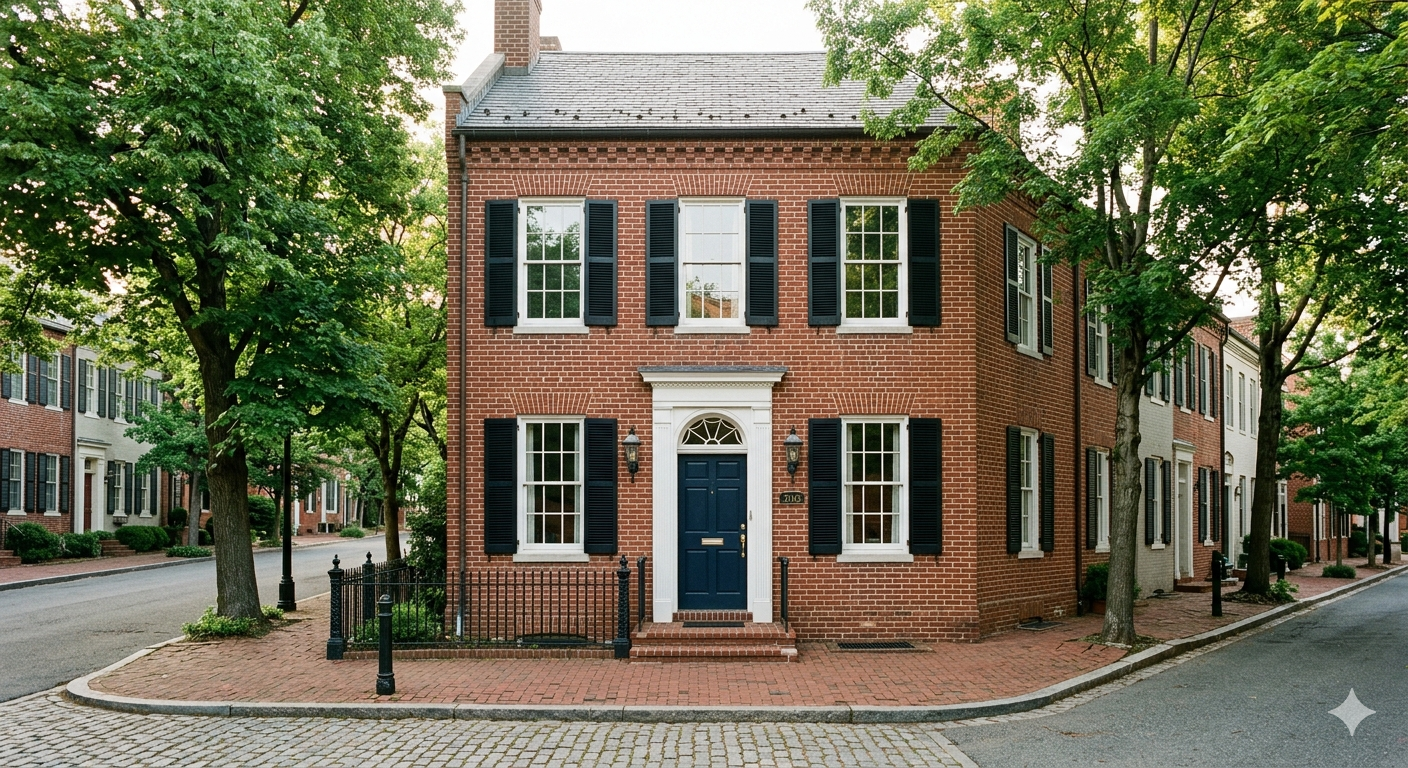
Georgetown’s architectural character, with Federal and Georgian rowhouses on quiet brick-paved streets, is a consistent draw for luxury buyers in Washington, DC.
Georgetown is one of the most recognized neighborhoods in Washington, DC, and that recognition does a lot of work for sellers. But recognition alone does not close deals. What moves a Georgetown home from listed to sold is a clear strategy, the right pricing, and a presentation that matches what buyers in this market expect.
If you are thinking about selling in Georgetown, here is a realistic look at what the market looks like and what it takes to get a strong result.
What Makes Georgetown’s Market Different
Georgetown sits in a category of its own in the DC market. The neighborhood has a defined housing stock, mostly Federal, Georgian, and Victorian rowhouses, along with a smaller selection of detached homes, carriage houses, and a handful of larger estates. The supply stays limited because the neighborhood is not growing, and that limited supply tends to support values over time.
Buyers in this market are experienced. Many have owned property before and know what they want. They compare your home against others they have toured, and they know the streets, the condition levels, and the price points. A listing that is not well-prepared will get noticed, and not in a good way.
Demand also tends to stay consistent. Georgetown draws buyers who want walkability, proximity to the waterfront, and the character that comes from living in a neighborhood with real architectural history. Those motivations do not shift much with rate changes or seasonal inventory swings.
How Pricing Works in Georgetown
Georgetown does not price like most neighborhoods. The range between a well-maintained home and one that needs work can be significant, even on the same block. Square footage matters, but so does condition, ceiling height, natural light, outdoor space, parking, and whether the home has been updated thoughtfully or just cosmetically.
Comparable sales are useful, but they require context. A home that sold for a strong price six months ago may have had a private parking pad and a renovated kitchen. A home without those things is not directly comparable. The pricing work here is detail-driven, and getting it right matters.
Overpricing in Georgetown tends to create long days on market, and long days on market raise questions for buyers. A well-priced home that shows well typically draws more activity in the first two to three weeks and creates a more competitive dynamic.
What Buyers in Georgetown Are Looking For
Buyers in this price range look closely at a few things. Location within Georgetown matters, closer to the Potomac and the quieter residential streets tend to draw different buyers than homes along the main commercial corridors. Parking is a significant factor. Outdoor space, even a small private terrace or garden, adds real value. Condition is critical. Buyers who spend at this level typically do not want a project, or if they are open to one, they discount the price accordingly.
Presentation also plays a role. Staging, lighting, and photography matter more than many sellers expect. A Georgetown home with high ceilings and original architectural details should look that way in listing photos. If those details get lost in dark or poorly staged images, buyers may pass before they even schedule a tour.
How to Position a Georgetown Home for Sale
The preparation process for a Georgetown home typically involves a few key decisions. First, what work makes sense before listing? Some updates, like a fresh paint, refinished floors, or updated fixtures, can meaningfully improve buyer perception without a large upfront cost. Other larger projects may not deliver a return worth the investment. A good listing agent can help you sort through what matters for your specific home.
Second, how will the home be introduced to the market? Compass tools like private exclusives allow sellers to generate buyer interest before going public on the MLS, which can be useful for homes with unique features or sellers who prefer a quieter process. For most homes, a full public launch with strong marketing and broad exposure is the right approach.
Third, what does the negotiation process look like? Georgetown buyers tend to be deliberate, and the negotiation on a higher-priced home often involves more back-and-forth on contingencies, inspection items, and closing timelines than a lower price point. Being prepared for that process makes a difference.

Private outdoor space, including walled gardens and terraces, is one of the features Georgetown buyers look for most closely when evaluating a home.
How Matt Cheney Works with Georgetown Sellers
Matt has worked in Georgetown for more than two decades. He understands the streets, the housing stock, and the buyer profile that this neighborhood attracts. He approaches each listing with a clear plan: right pricing from the start, presentation that reflects the home’s actual quality, and marketing that reaches the buyers most likely to act.
For Georgetown sellers, that often means careful timing, thoughtful pre-market preparation, and consistent communication through the process. If you are weighing a sale in Georgetown, it helps to start with a real conversation about where your home stands and what a realistic path to closing looks like.
Frequently Asked Questions
Is Georgetown a strong market for luxury home sellers right now?
Georgetown consistently holds strong compared to many other DC neighborhoods because supply is limited and demand from buyers who want this specific location tends to stay steady. Market conditions vary, and timing your sale well still matters, but Georgetown generally performs well for sellers who price and present their home correctly.
How do I know if my Georgetown home is priced right?
Pricing a Georgetown home requires looking closely at recent comparable sales, accounting for condition, parking, outdoor space, and location within the neighborhood. Working with an agent who knows Georgetown well and can pull meaningful comps is the most reliable way to land on the right number.
Should I renovate before selling my Georgetown home?
Not always. The value of pre-sale work depends on what the home needs, how buyers in your price range are responding to updated versus original condition homes, and how much runway you have before listing. In many cases, targeted updates like fresh paint, refinished floors, and clean staging deliver a better return than full renovations.
How long does it take to sell a luxury home in Georgetown?
A well-priced, well-prepared Georgetown home can move in a few weeks. Homes that need work or are priced above what the current market supports can sit for months. The preparation and pricing decisions made before listing have the biggest impact on how long the process takes.
Who should I contact to sell my luxury home in Georgetown, DC?
If you are thinking about selling in Georgetown, Matt Cheney has more than 22 years of experience in this market and more than $779 million in career sales volume. He works with Georgetown sellers who want a clear strategy and calm, experienced guidance through the process. Reach out to start a conversation.
Final Word
Selling a luxury home in Georgetown is not complicated, but it does require the right approach. Pricing matters. Presentation matters. And working with someone who understands the Georgetown market specifically, not just the broader DC market, can make a real difference in the outcome.
If you are thinking about a sale in Georgetown, take the time to get the preparation right. A home that is priced well and shows well will attract the right buyers and give you the best chance at a strong, clean result.
About Matt Cheney
Matt Cheney is a top-producing real estate advisor with Compass in Washington, DC, guiding buyers and sellers across DC, Maryland, and Virginia through high-stakes moves, from luxury sales to estate settlements, downsizing, and divorce-related transactions. With over $779 million in career sales volume and 22 years of experience, including more than two decades working on complex and sensitive real estate situations, Matt is known for calm, strategic guidance and brings hundreds of successful sales to clients seeking clarity and support during life transitions.