

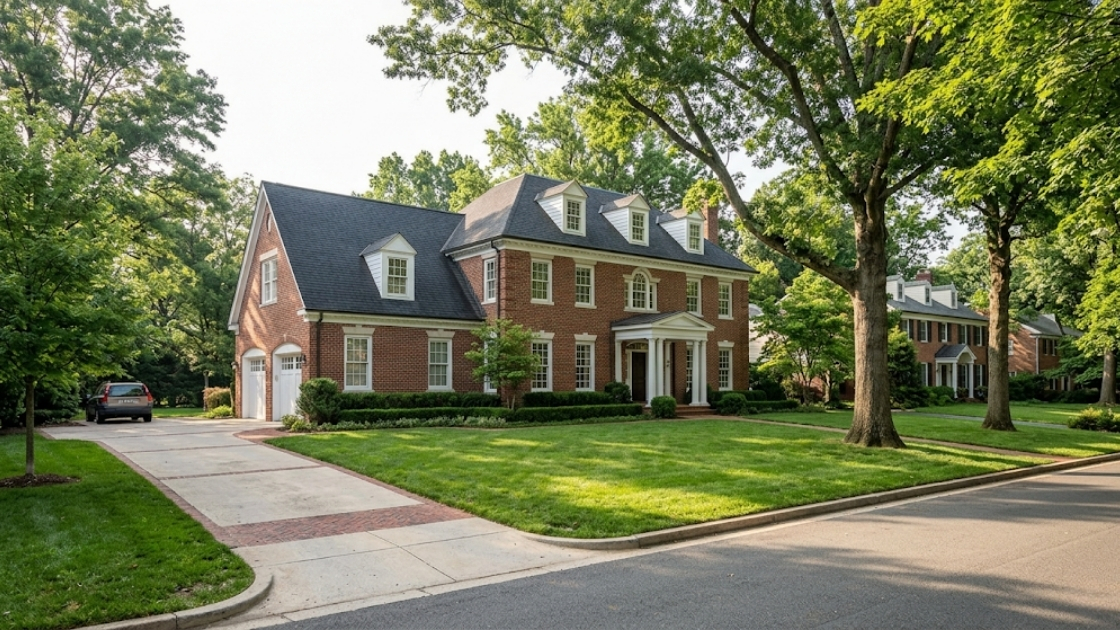
The DC metro real estate market does not always run hot. There are stretches, sometimes tied to rising interest rates, sometimes to broader economic uncertainty, sometimes just to seasonal slowdowns, when buyer activity drops and homes take longer to sell. If you are planning to sell during one of those periods, here is what to expect and how to position your home to sell well even when conditions are not ideal.
What a Slower Market Actually Looks Like
A slower market does not mean buyers have disappeared. It means the pace of activity has shifted. Fewer buyers are out looking at any given time, homes are sitting longer before going under contract, and sellers have less negotiating leverage than they would in a fast market.
For sellers, this shows up in specific ways. Days on market stretch longer. Price reductions become more common across the area. Buyers feel less urgency to move quickly, and they tend to push more on price, repairs, and contingencies. None of this is a reason to panic, but it does mean the strategy you would use in a competitive market needs some adjustment.
How to Price Your Home When the Market Is Quiet
In a competitive market, some sellers can list slightly above comparable sales and still attract strong offers. In a slower market, that approach is more likely to backfire. Overpriced homes attract fewer showings, accumulate days on market, and often end up selling for less than they would have if they had been priced correctly from the beginning.
The goal is to look at recent sold data carefully and price at or close to market value from day one. Buyers in a slower market are paying attention to how long a home has been listed, and a listing that sits for several weeks without activity starts to feel like a liability, not an opportunity.
Your agent should be able to show you what comparable homes have actually sold for, not just what they were listed at, and guide you to a price that reflects current conditions rather than the market from six or twelve months ago.
What Preparation Looks Like in a Slower Market
When buyers have more options and less urgency, condition and presentation carry more weight. A home that shows signs of deferred maintenance or years of wear will generate fewer offers, and any offers it does receive will likely reflect the needed work in the form of a lower price or more aggressive repair requests.
The best approach is to take an honest look at what needs attention before listing. That does not mean investing in a full renovation. It means addressing the things that give buyers a reason to discount or hesitate. Fresh paint in neutral colors, well-functioning mechanical systems, clean and uncluttered spaces, and good curb appeal go a long way without requiring a major financial outlay.
Professional photography is worth the cost. In a slower market, buyers are browsing more listings before committing to showings, and online presentation does more work when there is less urgency driving decisions.
You may also like: What Every Home Seller in Washington DC Needs to Know Before Listing, What Sellers in DC and Maryland Should Know About Contingent Offers in 2026, and What are the most desirable neighborhoods for high-end homes in Washington DC
Negotiating When Buyers Have More Leverage
In a slower market, sellers should expect buyers to negotiate. Inspection requests tend to be more detailed. Contingencies are more common. Buyers will push on price, on concessions, and on timelines. This is not unusual, and it does not mean every offer is a bad one.
Having an agent who knows how to negotiate clearly and calmly matters here. The goal is not to give everything away, but also not to lose a genuinely interested buyer over a repair request that could be resolved with some flexibility. Knowing which asks are reasonable and which to push back on is where experience makes a real difference.
How Matt Cheney Helps Sellers in a Shifting Market
Matt has worked through multiple market cycles in the DC metro area over 22 years. He has helped sellers close in competitive markets and in slower ones, and he understands that the strategy has to match what conditions actually are, not what they were six months ago.
He works with sellers to price accurately, prepare thoughtfully, and navigate negotiations in a way that protects the seller’s interests while keeping viable buyers engaged. If you are thinking about selling and want an honest read on what the current market looks like for your property, that conversation is worth having before you decide on timing.
Frequently Asked Questions
Should I wait to sell my home until the market picks up?
That depends on your situation. Waiting for conditions to improve can make sense in some cases, but market timing is not predictable. If you need to sell, a clear strategy in a slower market is often more useful than waiting indefinitely. The right answer depends on your timeline, financial position, and how much flexibility you actually have.
How do I know if the DC metro market is slow right now?
Look at how long homes similar to yours are sitting on the market before going under contract. Also pay attention to how many active listings there are relative to how many homes are actually selling each month. Your agent can give you a clear picture of current conditions in your specific area and price range.
Should I reduce my price if my home is not getting offers?
If your home has been on the market for several weeks without serious interest, and you have had showings, a price adjustment is often the right call. Listings that sit lose momentum, and a well-timed reduction can generate renewed activity. Your agent should be able to advise you on timing, amount, and how to present the change.
What repairs are worth making before listing in a slow market?
Focus on items that affect a buyer’s first impression or that are likely to come up in a home inspection. Visible deferred maintenance, paint condition, flooring, kitchen and bath function, and curb appeal are generally worth addressing. Major renovations are rarely necessary. The goal is a home that shows well and does not give buyers a reason to discount.
How can my home stand out when there is more competition?
Accurate pricing, strong preparation, good photography, and a clear marketing strategy are the foundation. In a slower market, homes that stand out are the ones that are easy to buy, well-maintained, and realistically priced. Difficult terms, needed repairs, and inflated prices push buyers toward other options when they have the luxury of time.
Final Word
Selling in a slower market is entirely doable. It requires adjusting expectations, pricing accurately from the start, and presenting the home well. Sellers who approach it with a clear strategy tend to do better than those who wait passively for conditions to shift. If you are weighing your options or want to understand what the current market looks like for your specific property, an honest conversation with an experienced local agent is a good starting point.
About Matt Cheney
Matt Cheney is a top-producing real estate advisor with Compass in Washington, DC, guiding buyers and sellers across DC, Maryland, and Virginia through high-stakes moves, from luxury sales to estate settlements, downsizing, and divorce-related transactions. With over $779 million in career sales volume and 22 years of experience, including more than two decades working on complex and sensitive real estate situations, Matt is known for calm, strategic guidance and brings hundreds of successful sales to clients seeking clarity and support during life transitions.