

Most sellers know that first impressions matter. What is less obvious is exactly which preparation steps actually move the needle, and which ones consume time and money without meaningful impact on the final result.
The goal is not to transform a home. The goal is to present it in a way that gives buyers confidence. Here is what that looks like in practice for sellers across Washington, DC, Maryland, and Virginia.
Start With What Buyers Notice First
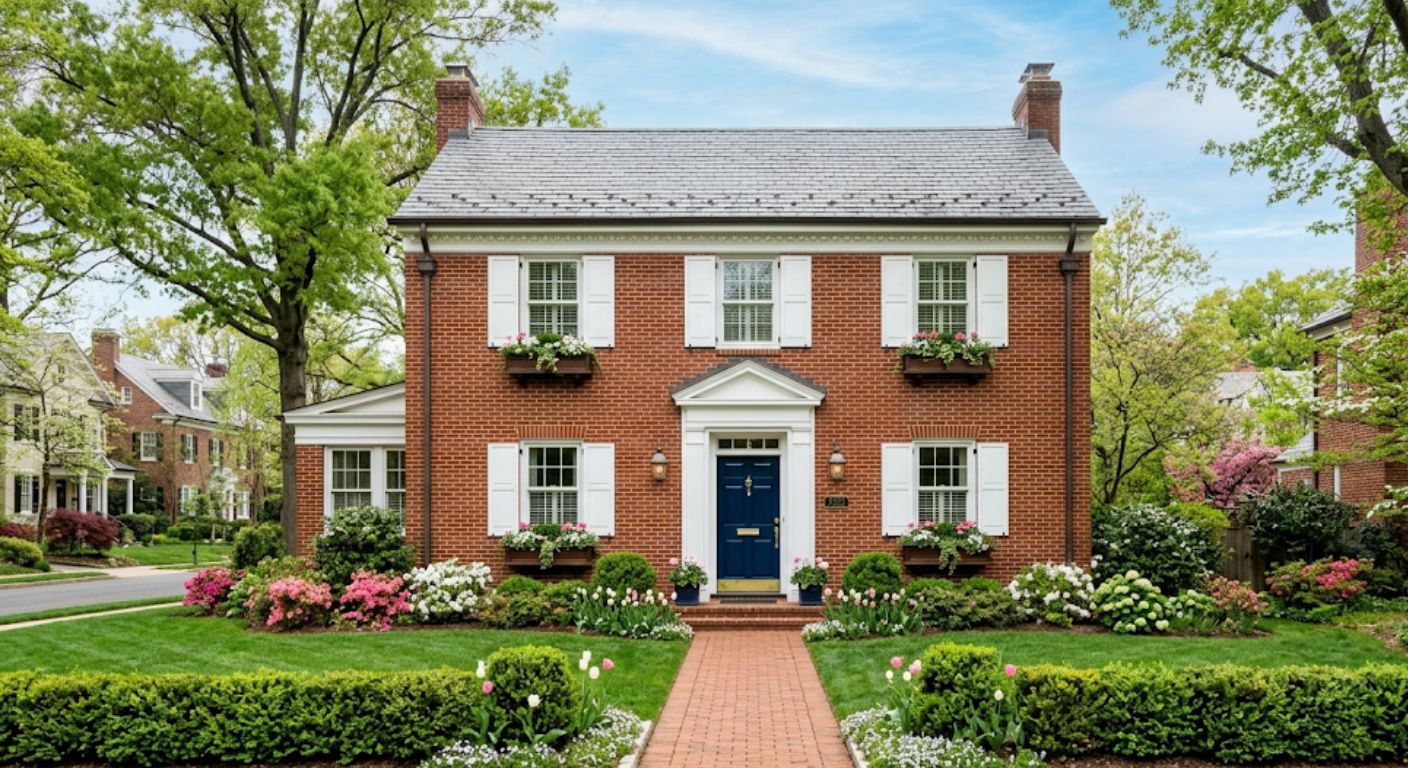
Buyers form an impression quickly, often before they step inside. Curb appeal, the front entry, and the overall condition of the exterior set the tone for everything that follows. A home that looks well-maintained from the outside signals to buyers that the interior has been cared for too.
A few exterior items worth addressing before listing:
- Clean and refresh the landscaping, including trimming, edging, and removing dead plants
- Power wash walkways, driveways, and the exterior where appropriate
- Touch up or repaint the front door and any visible trim that looks worn
- Replace or clean exterior light fixtures
- Clear the porch, stoop, or front entry of clutter
None of these are expensive. Together, they meaningfully improve what buyers see before they ever walk in.
Inside the Home: Where to Focus
Inside, buyers are evaluating condition, space, and flow. A clean, decluttered home feels larger and more functional than one that is full of furniture and personal items. Removing excess furniture, clearing countertops, and depersonalizing the space makes it easier for buyers to see themselves in the home.
The highest-impact interior areas to address:
- Kitchen: clean thoroughly, clear countertops, replace dated hardware if budget allows
- Bathrooms: deep clean, recaulk where needed, replace worn fixtures if they are visibly dated
- Paint: touch up scuffs and chips, consider repainting rooms with strong or dated colors in a neutral tone
- Floors: clean thoroughly and refinish if the wear is significant enough to distract buyers
- Lighting: replace any burned-out bulbs and ensure every room is well-lit for showings
The goal is not to renovate. It is to remove the things that give buyers reasons to hesitate or reduce their offer.
Mechanical and Maintenance Items
Buyers, especially those with experienced agents, will ask about the condition of major systems. HVAC, water heater, roof, and any visible deferred maintenance are common points of negotiation or concern after the inspection.
If you know there is a significant maintenance issue, addressing it before listing is usually better than disclosing it mid-transaction and negotiating a credit. Buyers often apply more pressure to issues they find after going under contract than to ones that have been clearly addressed upfront.
Getting a pre-listing inspection is an option some sellers find useful. It lets you see what a buyer’s inspector is likely to flag and decide which items to address before listing, rather than reacting to them in the middle of a transaction.
What to Skip
Not everything is worth doing. Major renovations before a sale rarely return their full cost. Updating a kitchen or adding a bathroom is usually a project for buyers to plan according to their own taste, not something sellers should take on before listing.
Mid-range repairs and cosmetic updates that clearly address buyer concerns tend to produce better returns than full renovation projects. The right conversation with your agent before you start spending money on preparation is worth the time.
How Matt Cheney Helps Sellers Prepare
Part of what Matt does before any listing hits the market is walk through the property with the seller and give an honest assessment of what is worth addressing and what is not. That conversation is grounded in what buyers at the specific price point of your home are actually expecting to see.
Some sellers want to do everything. Others have limited time or budget. Either way, the goal is the same: put your home in the best position to attract qualified buyers, generate strong offers, and move through the process cleanly.
With over 22 years of experience and $779 million in career sales volume across DC, Maryland, and Virginia, Matt has walked through a wide range of properties at a wide range of price points, and he knows what actually influences buyer decisions.
Frequently Asked Questions
How much should I spend to prepare my home for sale?
There is no single answer. It depends on the price point of your home, its current condition, and what the competition looks like. In general, cosmetic improvements, cleaning, and addressing visible maintenance issues produce the best return. Major renovations before a sale are harder to justify financially. Your agent should help you figure out which improvements make sense given your specific situation.
Should I renovate my kitchen before selling in DC?
Usually not. A full kitchen renovation before selling is expensive and buyers will not necessarily pay full renovation cost on top of what you spent. Cleaning the kitchen thoroughly, clearing the counters, and making small cosmetic updates can have a meaningful impact at a much lower cost. If the kitchen is significantly outdated, a realistic pricing conversation is often a better path than a renovation.
How long does it take to prepare a home for sale in the DC metro area?
It varies. A home that is in good condition and just needs cleaning, decluttering, and minor touch-ups can be ready in two to three weeks. A home that requires more substantial preparation work, or that needs time for contractors, could take six to eight weeks or more. Planning early gives you more options and avoids rushed decisions.
Does staging help a home sell faster in Washington DC?
In many cases, yes. Staged homes tend to photograph better and show better, which helps with online interest and in-person impressions. Whether a full professional staging makes sense depends on the price point and the current condition of the home’s furnishings. Your agent can advise on what level of staging makes sense for your situation.
What is the biggest mistake sellers make before listing?
Overinvesting in the wrong places is common. Sellers sometimes spend money on projects that buyers will not pay a premium for, while skipping the basics that actually drive offers. Cleaning, decluttering, curb appeal, and addressing visible maintenance issues tend to matter more than a new appliance package or a bathroom renovation.
Final Word
Preparing a home for sale is not about perfection. It is about removing the things that give buyers hesitation and presenting the home in a way that builds confidence. The right preparation plan is specific to your property, your price point, and the current market.
If you are thinking about selling in Washington, DC, Maryland, or Virginia and want a clear-eyed look at what preparation makes sense for your home, start with a walkthrough conversation. That is where the right plan comes from.
About Matt Cheney
Matt Cheney is a top-producing real estate advisor with Compass in Washington, DC, guiding buyers and sellers across DC, Maryland, and Virginia through high-stakes moves, from luxury sales to estate settlements, downsizing, and divorce-related transactions. With over $779 million in career sales volume and 22 years of experience, including more than two decades working on complex and sensitive real estate situations, Matt is known for calm, strategic guidance and brings hundreds of successful sales to clients seeking clarity and support during life transitions.