

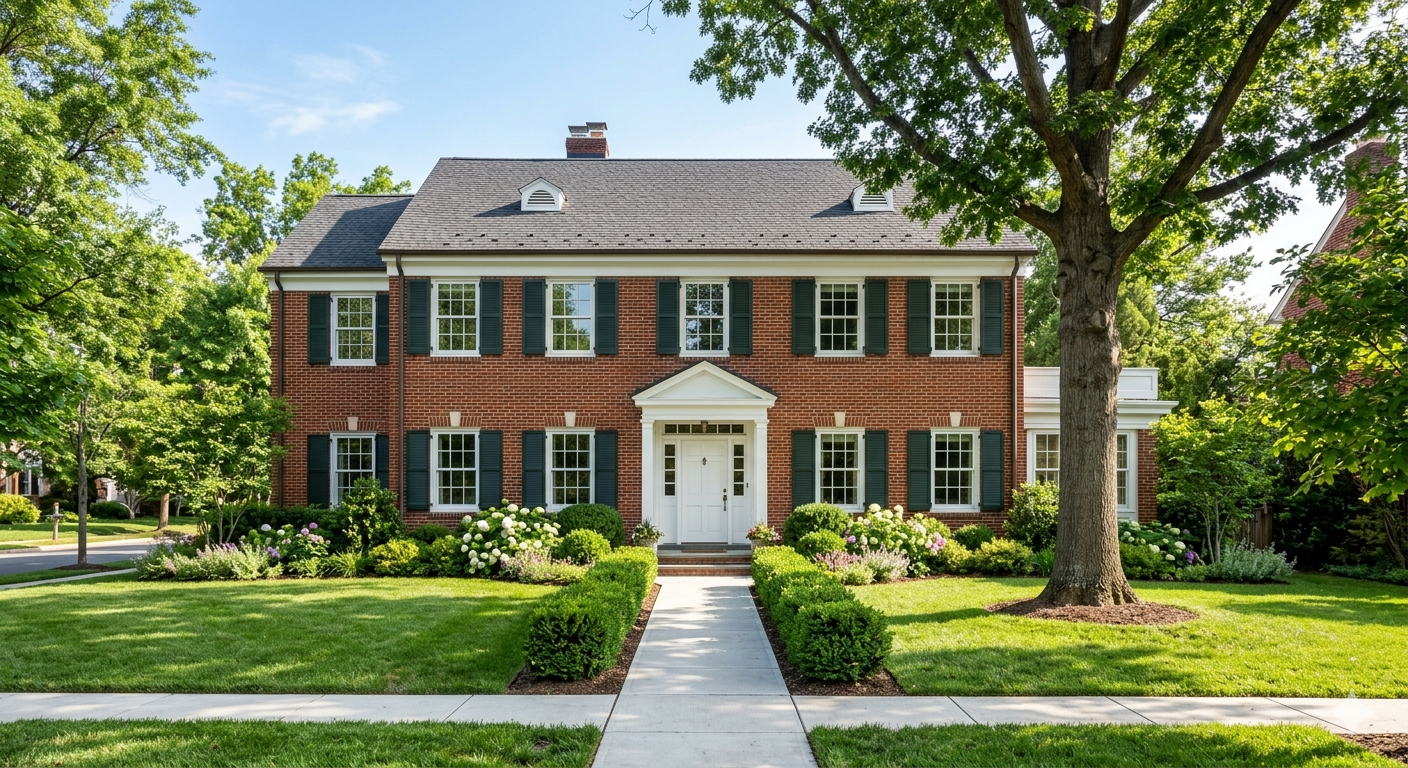
Pricing a home correctly from day one is one of the most important decisions a seller makes, and it starts with a clear, honest look at the current market.
Pricing a home sounds straightforward. You look at what similar homes sold for, pick a number, and list. But sellers who have been through the process know it is rarely that simple. The right price depends on more than square footage and recent sales. It depends on condition, timing, what the competition looks like right now, and how buyers in your specific price range are behaving.
Getting it right from the start matters more than most sellers expect. Here is why, and how the process actually works.
Why the First Two Weeks of Listing Are Critical
When a home first hits the market, it gets the most attention. Buyers who have been waiting, buyers who are actively touring, and agents with clients looking in your price range all take notice. That initial window is when your home has the best chance of generating multiple offers or, at minimum, serious early interest.
If the price is too high, that window passes without traction. Buyers move on. Days on market start to climb. And once a listing starts sitting, buyers begin to wonder what is wrong with it, even if the only issue was the price. A price reduction after two or three weeks of inactivity can help, but it rarely recreates the energy of a well-priced first launch.
Pricing right from the start is not about leaving money on the table. It is about positioning your home so that the right buyers show up at the right time with real interest.
What Goes Into a Good Pricing Analysis
A good pricing analysis looks at comparable sales, but it does not stop there. It accounts for what actually makes your home different from the comps, both better and worse.
A few things that affect price beyond square footage:
- Condition and update level relative to comparable homes
- Layout and how the home lives day to day
- Outdoor space, parking, and storage
- Location within the neighborhood, proximity to main roads or transit
- How much inventory buyers have to choose from right now
- How quickly similar homes have been selling in recent weeks
The goal is not to land on a number that feels good emotionally. The goal is to land on a number that reflects where buyers are actually willing to transact.
The Cost of Overpricing
Overpricing is the most common pricing mistake sellers make, and it tends to be expensive. A home that is priced above what the market supports will attract fewer showings, fewer offers, and more negotiating leverage for the buyers who do engage.
Every week a home sits on the market without an offer is a signal to buyers that something may be wrong, even when nothing actually is. Price reductions can reset some of that, but they can also attract buyers who come in expecting a below-asking offer because they sense the seller is now motivated after a slow stretch.
The sellers who come out best tend to be the ones who price honestly from day one, even when the honest number is lower than what they hoped for. They generate more activity, more competition, and often end up closer to or at their asking price as a result.
The Danger of Underpricing
Underpricing is less common, but it happens. It can be a deliberate strategy to generate multiple offers and drive the final sale price above list. In the right market conditions, this can work. But it carries risks too.
If the market is slower or inventory is higher, underpricing may not generate the competing offer dynamic the seller was counting on. You may end up accepting a lower number than you would have gotten with a more accurate initial price.
The best approach in most cases is not to manufacture urgency through underpricing, but to price accurately and let the home’s quality and presentation do the work.

Condition matters. A home that shows well and is priced accurately tends to generate more buyer interest and stronger offers than one that needs work.
How Matt Cheney Approaches Pricing
Matt’s pricing process is grounded in the specifics of your home and the current market, not formulas or wishful thinking. He looks at what has actually sold, what is competing with your home right now, and how buyers in your price range are responding to what is out there.
The conversation is direct. If the number you are hoping for does not match what the market supports, you will hear that clearly, along with the reasoning behind it. The goal is always to position your home so it sells well, not just so it gets listed.
With more than 22 years of experience and over $779 million in career sales volume across DC, Maryland, and Virginia, Matt has seen how pricing decisions play out across a wide range of markets and conditions. That experience shapes how he advises sellers on one of the most consequential decisions in the process.
Frequently Asked Questions
How do I know if my home is priced correctly?
The clearest signal is activity in the first two weeks. If you are getting showings and serious inquiries, the price is in the right range. If the home is not generating interest from qualified buyers, the price is likely a factor. Your agent should be watching these signals closely and having an honest conversation with you about what they mean.
Should I price high to leave room to negotiate?
In most cases, no. Pricing too high reduces the number of buyers who will even tour the home, which means fewer offers and less negotiating leverage. A well-priced home tends to generate more competition and better final terms than one that starts high and gets reduced.
How do comparable sales affect my list price?
Comparable sales show what buyers have been willing to pay for similar homes recently. They are the foundation of any pricing analysis, but they need to be adjusted for differences in condition, location within the neighborhood, and features. Raw square footage comparisons without those adjustments can lead you to the wrong number.
Does the time of year affect pricing in DC, Maryland, and Virginia?
Seasonality plays a role. Spring tends to bring more buyer activity, which can support stronger pricing. Late summer and fall can slow down depending on inventory and rate conditions. Winter is typically the quietest stretch, though motivated buyers are still out there. The right price in any season reflects both the market conditions and the competition your home is facing at that moment.
What happens if I need to reduce my price after listing?
A price reduction can bring renewed attention to a listing, especially if the adjustment is meaningful. Small reductions often do not move the needle. The timing and size of a reduction matter, and having an honest conversation with your agent about what is driving the lack of activity is the right first step before making that call.
Final Word
Pricing is not just a number. It is a strategy. A well-priced home that shows well gives you the best chance at a strong result, a clean transaction, and a timeline that works for your life.
If you are preparing to sell in Washington, DC, Maryland, or Virginia and want a clear-eyed look at where your home stands in the current market, start with a conversation. That is where the real work begins.
About Matt Cheney
Matt Cheney is a top-producing real estate advisor with Compass in Washington, DC, guiding buyers and sellers across DC, Maryland, and Virginia through high-stakes moves, from luxury sales to estate settlements, downsizing, and divorce-related transactions. With over $779 million in career sales volume and 22 years of experience, including more than two decades working on complex and sensitive real estate situations, Matt is known for calm, strategic guidance and brings hundreds of successful sales to clients seeking clarity and support during life transitions.