

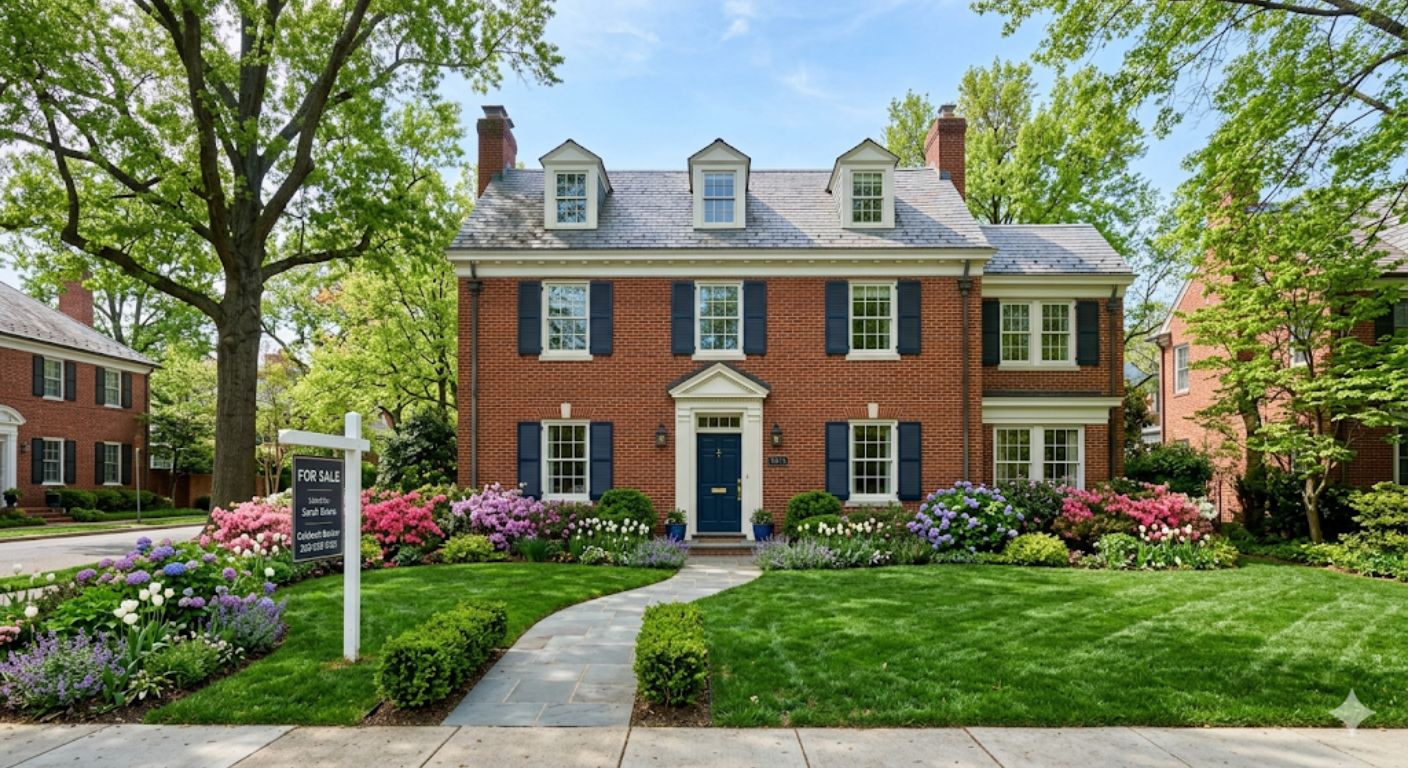
Homes that are priced correctly from the start tend to attract stronger, faster offers.
One of the most common mistakes sellers make is starting too high. It feels safer to list at a stretch price and reduce later if needed, but in most cases, it works against you. Buyers notice when a home sits, and a price reduction often raises more questions than it answers. Getting the price right from the beginning is one of the highest-leverage decisions you will make in the entire sale process.
Why Pricing Right Matters More Than Most Sellers Realize
The first two to three weeks on the market are when your home gets the most attention. Buyers who have been searching for a while know what is available and at what price. When a new listing comes up, the active buyers in your price range see it right away. If the price feels off, they skip it or wait. If it feels right, they schedule showings quickly.
A home that generates early interest often produces multiple offers or at least a strong negotiating position. A home that sits past 30 days starts to accumulate a stigma, even when there is nothing wrong with the property. Buyers and agents start to wonder what the market is telling them.
What Goes Into a Realistic Pricing Analysis
A proper pricing analysis looks at more than a handful of recent sales. Here are the factors that matter:
- Comparable sales. Homes similar to yours, in terms of size, condition, layout, and location, that have sold in the past 90 days. The more recent, the more relevant.
- Active competition. What else is on the market right now at similar price points? Buyers will compare your home to those listings directly.
- Days on market for comparables. If similar homes are sitting for 60 or 90 days, that tells you something about where the market is drawing its line.
- Condition adjustments. A fully renovated home and a home needing updates may have the same size and location, but they are not worth the same price. Condition makes a real difference in the DC metro area.
- Lot and location specifics. In neighborhoods like Foxhall, Wesley Heights, The Palisades, and Georgetown, lot size, privacy, and street position can significantly affect value.
The Risks of Overpricing
An overpriced home does not just sit quietly. It actively signals to the market that something may be off. Buyers assume a motivated seller would have priced more realistically. Agents who have shown the home relay their buyers’ reactions informally. Showings drop off, and the home starts to feel stale.
When a price reduction finally comes, it usually needs to be meaningful to generate new activity. A modest cut rarely resets buyer interest. And after a reduction, buyers often assume there is room to negotiate further, which can push your net proceeds below what a correct initial price would have produced.
The Risks of Underpricing
On the other side, some sellers worry about leaving money on the table by pricing too low. In a market with good inventory and qualified buyers, a well-priced home often generates competitive interest that drives the price up organically. Underpricing is less common and less damaging than overpricing, but it is still worth being intentional about where you set the ask.
A good agent will not tell you to price low just to generate a quick sale. They will give you an honest read on where the market is, help you understand the risk on either side, and let you make an informed decision.
How Matt Cheney Approaches Pricing
Matt’s pricing process starts with a thorough analysis of the market, not a generic estimate or an online tool. He looks at what has sold, what is sitting, what buyers are actually responding to, and how your specific home compares, honestly, not optimistically. That conversation can be straightforward or it can be uncomfortable depending on market conditions, but it is always grounded in what the data supports. That honesty has been one of the things his clients value most over 22 years of doing this work.
Frequently Asked Questions
How do I know if my home is priced correctly?
A correctly priced home in the DC metro area typically generates showing activity within the first week and serious offers within the first two to three weeks. If your home has been on the market for more than 30 days with minimal activity, the price is likely the issue.
Should I price high and negotiate down?
In most cases, no. Overpricing tends to reduce the number and quality of offers you receive. Buyers who might have made competitive offers at the right price will simply move on to other listings.
How much does condition affect home pricing in DC?
Significantly. In a market like Northwest DC or Bethesda, a fully updated home can command a meaningful premium over a comparable home that needs renovation. Buyers are willing to pay for condition, especially at higher price points.
Can I raise my price after going under contract?
No. Once you accept an offer, the price is set by that contract. Any changes would require renegotiation or a new agreement.
How often do homes in DC sell above asking price?
It varies by neighborhood, price point, and market conditions. Well-priced homes in high-demand areas and price ranges can attract multiple offers and sell above asking. At higher price points and in slower segments, sales at or slightly below asking are more common.
Final Word
Pricing is not about what you hope to get. It is about what the market will actually support at the time you are selling. The sellers who do best are usually the ones who go in with clear eyes, a realistic number, and a plan to generate early momentum. If you are preparing to list a home in DC, Maryland, or Virginia, start that conversation early and make sure you are working with someone who will give you an honest read.
About Matt Cheney
Matt Cheney is a top-producing real estate advisor with Compass in Washington, DC, guiding buyers and sellers across DC, Maryland, and Virginia through high-stakes moves, from luxury sales to estate settlements, downsizing, and divorce-related transactions. With over $779 million in career sales volume and 22 years of experience, including more than two decades working on complex and sensitive real estate situations, Matt is known for calm, strategic guidance and brings hundreds of successful sales to clients seeking clarity and support during life transitions.