

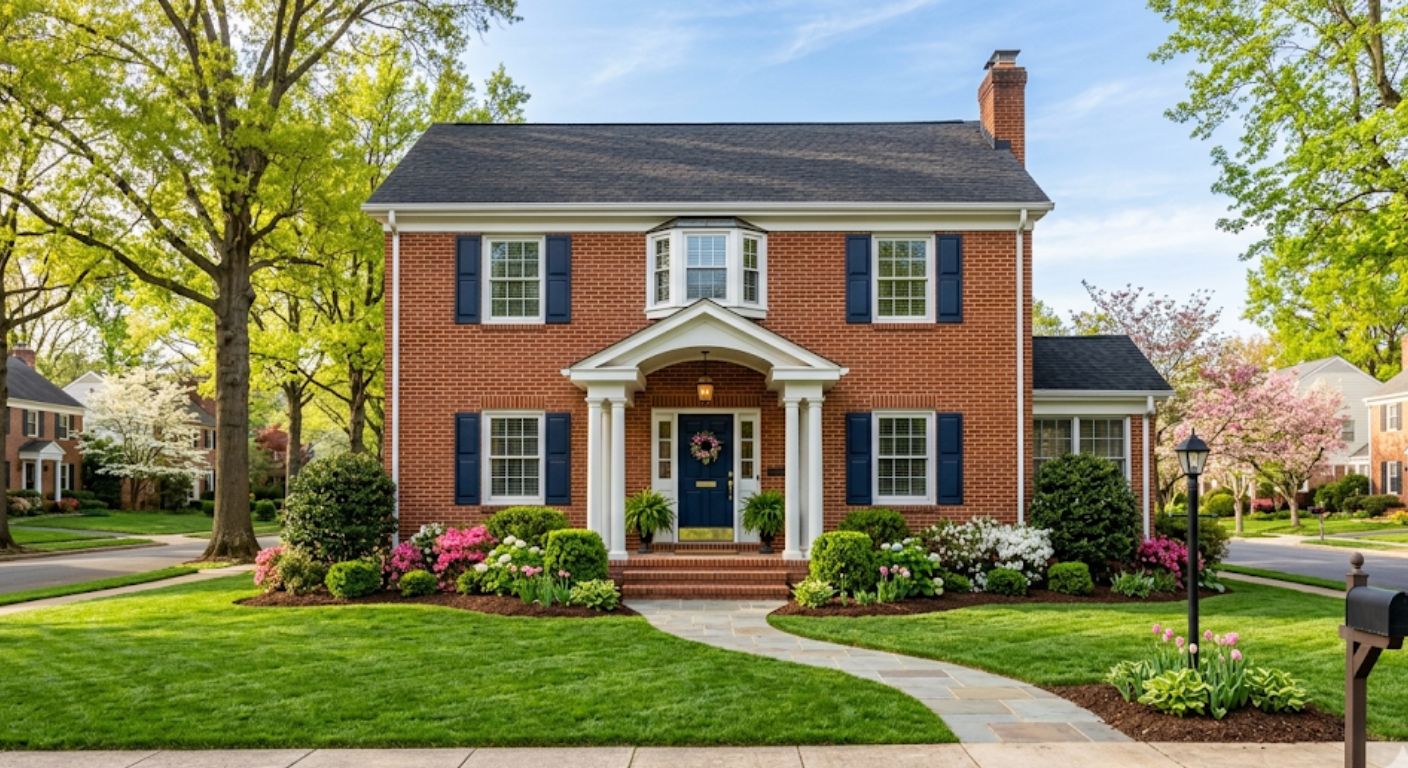
A well-presented home at the right price attracts stronger buyer interest from the first day it hits the market.
The price you set when you list your home shapes everything that follows. It determines who sees it, who tours it, and how seriously buyers engage. Get it right, and you create the kind of early activity that leads to a strong outcome. Price too high, and you can spend weeks watching the listing go quiet while buyers move on to other options.
Pricing a home correctly in the DC, Maryland, and Virginia market requires looking at real data, understanding what buyers in your price range are actually doing right now, and having an honest conversation about where your home fits relative to the competition.
Why the First Two Weeks Matter Most
When a home first hits the market, it gets more attention than it will at any other point in the listing period. Buyers who have been searching your area, agents with active clients, and people who have alerts set up for homes like yours all see it at once. That opening window is your best opportunity to generate real interest and, ideally, multiple offers.
If the price is off, that window closes without traction. Buyers who looked and passed rarely come back with the same energy after a price reduction. A reduction after three or four weeks of inactivity can generate a small bump in interest, but it rarely recreates the momentum of a well-priced first launch. And as days on market accumulate, buyers begin asking why the home has not sold, even when the only issue was the starting price.
What a Good Comparable Sales Analysis Actually Includes
The foundation of any pricing conversation is a look at what comparable homes have actually sold for recently, not what sellers hoped to get, and not what homes are currently listed at. Active listings tell you what other sellers want. Closed sales tell you what buyers have been willing to pay.
A solid comparable analysis accounts for:
- Homes that sold within the last three to six months in your neighborhood or submarket
- Similar square footage, bedroom and bathroom count, and lot size where applicable
- Condition differences between your home and the comps, both positive and negative
- Update level, including kitchens, bathrooms, mechanical systems, and any significant improvements
- Layout differences that affect how the home functions and how buyers perceive it
- Location factors within the neighborhood, such as proximity to main roads or transit
The goal is not to find the highest number you can justify. The goal is to find the number where real buyers in your market will engage.
The Cost of Overpricing
Overpricing is the most common pricing mistake sellers make, and it tends to produce worse outcomes than honest pricing from the start. The thinking behind it is usually some version of “we can always come down.” In practice, that approach tends to cost more than it saves.
When a home is priced above where buyers are comfortable, fewer people tour it. Fewer tours mean less feedback, less competition, and more leverage for the buyers who do eventually engage. Price reductions signal to the market that the seller is adjusting expectations, which can invite lower offers rather than stronger ones.
Sellers who tend to get the best results are those who price accurately from day one, even when that number is lower than what they were hoping for. Results vary by property, condition, timing, and market competition, but accurate pricing from the start generally produces better outcomes than the overpriced-then-reduced approach. Accurate pricing tends to generate more showings, more offers, and a better net outcome than the overpriced-then-reduced approach.
What to Watch for With Active Listings vs. Closed Sales
One common mistake in pricing is putting too much weight on what other homes in the neighborhood are currently listed at. Active listings are not comps. They represent what sellers are asking, not what buyers have accepted. Until a home closes, the list price is just a starting point.
Understanding active listings matters because they represent your competition. If there are several similar homes currently on the market in your price range, buyers have choices, and that affects how they approach your property. But for setting your actual list price, closed sales are the number that matters.
How Matt Cheney Approaches Pricing With Sellers
Matt Cheney has worked with sellers across DC, Maryland, and Virginia for over 22 years, with more than $779 million in career sales volume. His approach to pricing is direct and data-driven. He walks sellers through the closed sales that matter most, explains how their home compares, and gives an honest opinion of where the market will respond.
If there is a gap between what a seller hopes to get and what the market supports, that conversation happens early and clearly. The goal is not to tell sellers what they want to hear. The goal is to set them up for a sale that actually works.
Frequently Asked Questions
How do I know if my home is priced correctly in the DC metro area?
The clearest signal comes from the market in the first two weeks after listing. Consistent showing requests and serious buyer interest indicate the price is in the right range. Light traffic from the start usually points to price as the primary variable. Your agent should be watching these signals closely and communicating clearly about what they mean.
Should I price my home high to leave room to negotiate?
In most cases, no. Pricing above market value reduces the number of buyers who will tour the home, which means fewer offers and less negotiating leverage. A well-priced home tends to produce better final terms than one that starts high and gets reduced after sitting.
How often do homes sell above asking price in the DC area?
It depends on price point, neighborhood, and current market conditions. In active markets with limited inventory, well-priced homes in strong locations sometimes attract competing offers and sell above list. In slower markets or at higher price points, that is less common. Your agent can give you a realistic picture of what is happening in your specific submarket right now.
What happens if I price my home too high and it sits on the market?
Days on market accumulate, buyer perception shifts, and when you eventually reduce the price, buyers who would have moved quickly at the right price may have already purchased elsewhere. Recovering from an overpriced start is possible but typically harder than pricing correctly from the beginning.
How do I find out what my home is worth in Washington DC Maryland or Virginia?
The most reliable way is a comparative market analysis from an agent who knows your specific neighborhood and price range. Online estimates can provide a rough starting point, but they do not account for condition, layout, current competition, or local market nuances the way a hands-on evaluation does.
Final Word
Pricing your home correctly is not about getting the highest number on paper. It is about positioning your home where real buyers will engage, generating the kind of early activity that leads to a strong sale, and protecting your outcome from day one. In the DC metro area, where buyers are well-informed and competition between listings is real, accurate pricing is one of the most valuable things you can do before you list.
If you want a direct conversation about what your home is worth and how to approach the market, reach out.
Matt Cheney | Compass Real Estate is committed to the principles of the Fair Housing Act and the Equal Opportunity Act. All real estate services are provided without regard to race, color, national origin, religion, sex, familial status, or disability.
About Matt Cheney
Matt Cheney is a top-producing real estate advisor with Compass in Washington, DC, guiding buyers and sellers across DC, Maryland, and Virginia through high-stakes moves, from luxury sales to estate settlements, downsizing, and divorce-related transactions. With over $779 million in career sales volume and 22+ years of experience, Matt is ranked in the Top 1.5% of agents nationally by RealTrends America’s Best. He is known for calm, strategic guidance and a straightforward approach to complex and sensitive real estate situations.