

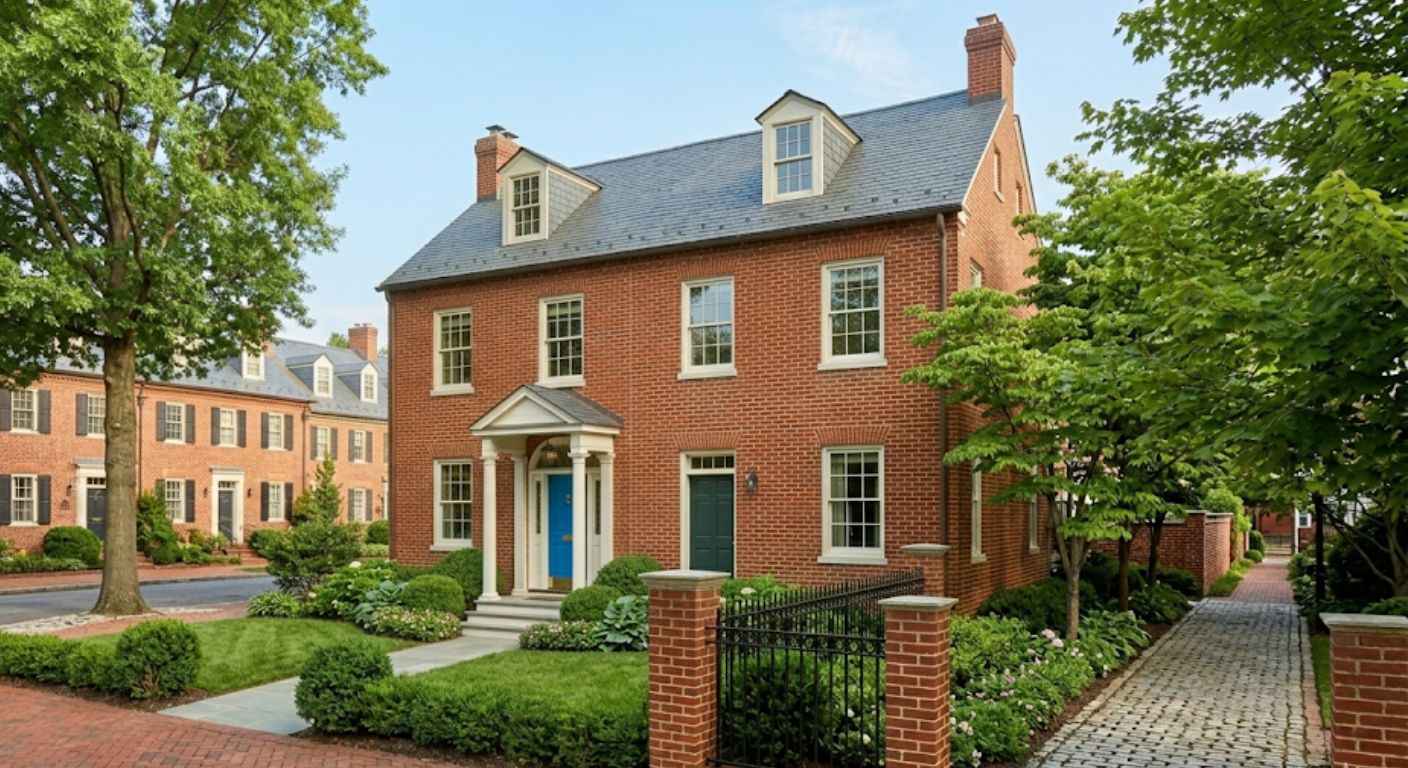
Curb appeal matters more than many sellers expect, since buyers form a first impression before they ever step inside the home.
Getting a home ready to sell is one of the most consequential decisions a seller makes before listing. The work you do before going to market, from cleaning and targeted repairs to staging and photography, directly shapes how buyers perceive the home and how they respond to it. Getting this right is not complicated, but it does require an honest assessment of what your home actually needs, not just what is easiest to address.
Here is a practical look at how to approach pre-listing preparation if you are getting ready to sell in Washington, DC, Maryland, or Virginia.
A note on preparation and results: Targeted preparation can improve buyer response and reduce preventable objections. Results vary by property, price point, condition, timing, and market competition. No specific return is guaranteed. The guidance below is a general framework. Your agent should help you identify what makes sense for your specific home, neighborhood, and price range before you spend money.
Start With a Clear-Eyed Assessment
The first step is seeing your home the way a buyer will see it. That is harder than it sounds. You have lived in the space, and it is easy to stop noticing things that a buyer will register immediately. A good agent will walk through your home and give you honest feedback before you list. That conversation may be uncomfortable, but it is far more useful than learning about the same issues through showing feedback after you are already on the market.
Think about what buyers in your price range will be comparing your home to. What are the competing listings offering? Where does your home stand out? Where does it fall short? The answers to those questions should drive your preparation decisions, not a general checklist of things sellers often do.
Repairs That Often Improve Buyer Response
Not every repair is worth doing before you list. Some issues will surface during an inspection and give buyers a basis to negotiate. Others are cosmetic and easy to address. Knowing the difference, for your specific home and price point, is what matters.
Repairs that often improve buyer response before listing:
- Fixing anything that is visibly broken, including doors that do not latch, leaky faucets, running toilets, and cracked tiles
- Addressing obvious water stains or evidence of past leaks, even if the underlying issue has been resolved
- Repainting walls in neutral tones if the current colors are dated or polarizing
- Replacing worn or stained carpet, particularly in main living areas and the primary bedroom
- Cleaning and servicing HVAC systems, water heaters, and other mechanical systems before they become inspection concerns
Repairs that often do not justify the investment relative to the likely buyer response:
- Full kitchen or bathroom renovations, unless the current state is genuinely below market for your price point
- Replacing windows unless they are actively failing
- Adding square footage or making structural changes
The goal is to reduce buyer objections, not to renovate the home for someone else’s taste. Talk through specific repair decisions with your agent before spending money. What is worth doing varies by property, condition, price point, and what the competition looks like at the time you list.
Cleaning, Decluttering, and Depersonalizing
This part of preparation does not cost much, but it has a measurable effect on how buyers experience the home. Buyers need to be able to picture themselves in the space. That is difficult when the home is full of personal items, accumulated belongings, and visual clutter that draws attention away from the property itself.
Before listing, most sellers benefit from:
- A deep clean of every room, including inside cabinets, closets, and storage areas that buyers will open
- Removing excess furniture to make rooms feel larger and more navigable
- Clearing personal photos and highly personal decor
- Organizing closets, since buyers assess storage capacity and a crowded closet reads as insufficient
- Addressing pet odors and other smells that you may have stopped noticing but buyers will not
None of this requires spending significant money. It does require time and the willingness to view the home as a product being evaluated, not a place you currently live in.
Curb Appeal and the First Impression
Buyers form an impression before they walk through the front door. The exterior sets the tone for everything that follows. A clean, well-maintained front yard, fresh mulch in planting beds, and a clean front door and entry can meaningfully affect how buyers feel when they arrive and how that feeling carries through the showing.
In the DC metro area, where mature trees and established landscaping are common, basic yard maintenance and seasonal tidying are often enough. You do not need a full landscape overhaul. The exterior needs to communicate that someone takes care of the property. That impression matters more than most sellers expect.
Staging: How Much Is Enough
Staging exists on a spectrum. At one end, professional staging involves bringing in furniture and decor to dress a vacant home or replace the seller’s existing furnishings. At the other end, light staging means decluttering, rearranging what is already there, and making sure key rooms photograph well.
For most DC metro area sellers, the question is not whether to stage but how much staging the home actually needs. A well-furnished, decluttered home in good condition may only need light adjustments. A vacant home or one with very personalized furnishings may benefit from professional staging. Your agent can advise you on the right level based on your specific home and the buyer expectations at your price point.
Staging can improve how buyers respond during showings and in listing photos, but results vary by property, price point, and market conditions. It is not a substitute for accurate pricing.
Photography: Where Preparation Becomes Visible
Most buyers begin their search online and decide which homes to tour based on listing photos. If the photography does not reflect the quality of your home, you will lose potential buyers before they ever contact an agent. This is one of the clearest cases where preparation and presentation directly affect the number of buyers who walk through the door.
Good listing photography means professional photography, not smartphone photos. It means the home is clean, staged, and well-lit before the photographer arrives. It also means being willing to make adjustments to how specific rooms are set up if they are not photographing well. A good listing agent will coordinate all of this before the photographer arrives so nothing is left to chance on shoot day.
You may also like: What Every Home Seller in Washington DC Needs to Know Before Listing, What Sellers in DC and Maryland Should Know About Contingent Offers in 2026, and What Buyers in the DC Metro Area Should Know About Contingencies Before Making an Offer
What Not to Do Before Listing
Sellers sometimes over-invest in preparation by making changes that buyers at their price point do not value, will not pay more for, or may actually prefer to choose themselves. A few common over-investments worth avoiding:
- Full kitchen renovations in a mid-market home where buyers expect to update kitchens themselves over time
- High-end landscaping overhauls on a property where the lot and outdoor space are not a primary selling point
- Repainting the entire interior in one specific color palette when neutral walls would serve better
- Replacing appliances that are functional but not brand-new when buyers are more focused on layout and space
The goal is targeted preparation, not comprehensive renovation. Every dollar spent before listing should be evaluated against what buyers at your price point will actually notice and respond to.
A Note on Timing: When to Start the Preparation Conversation
The sellers who manage this process most smoothly are the ones who start the conversation before they are ready to list, not when they are. If you give yourself two to three months before your target listing date, you have time to get honest feedback, make prioritized decisions about what to address, complete the work without rushing, and prepare the home at a pace that does not add stress to an already demanding process.
If you wait until you are ready to list immediately, your options narrow. Work gets rushed. Decisions get made under pressure. And the results often reflect that.
How I Guide Sellers Through Pre-Listing Preparation
My approach to pre-listing preparation starts with a direct walkthrough of your home and an honest conversation about what buyers in your price range and neighborhood will expect, what is worth addressing, and what is not. I have guided sellers through this process across DC, Maryland, and Virginia for more than 22 years, and the preparation decisions I recommend are always grounded in what actually moves the needle for buyers in your specific market, not a general list of things sellers commonly do.
With over $779 million in career sales volume and recognition as a top 1.5% agent nationally by RealTrends America’s Best, I have seen how preparation decisions affect outcomes across a wide range of properties and market conditions. The goal is not a perfectly prepared home in the abstract. It is a home that is positioned to compete well against everything else available to buyers at your price point.
Frequently Asked Questions
How long does it take to get a home ready to sell in the DC metro area?
It depends on the condition of the home and what needs to be done. Some sellers are ready to list in three to four weeks. Others benefit from two to three months to complete repairs, declutter, and stage properly. Starting the preparation conversation early, before you have a firm listing date in mind, gives you the most flexibility and the best chance of getting everything done without rushing.
Should I stage my home before selling in Washington DC?
For most homes, some level of staging, whether professional or light rearrangement of what you already have, helps buyers connect with the space. Vacant homes can feel cold and difficult to read. Heavily personalized or cluttered spaces can draw attention away from the home itself. A good agent will advise you on how much staging makes sense for your home, price point, and the current buyer expectations in your market.
What repairs make the most meaningful difference when selling a home?
Visible repairs that buyers and inspectors will flag, fresh paint in neutral colors, clean and well-maintained surfaces, and strong curb appeal tend to have the most consistent positive effect on buyer perception. Large renovations like full kitchen and bathroom remodels rarely recover their full cost in a sale price increase, and results vary significantly by property and market conditions. Targeted repairs aimed at reducing buyer objections are almost always a better use of money than comprehensive renovations.
How do I know what my home actually needs before listing?
Walk through it with your agent and be genuinely open to honest feedback. Ask what buyers in your price range will expect and where your home falls short of that standard. Then make prioritized decisions about what to address before listing and what to account for in your pricing or disclosure. Trying to assess your own home’s preparation needs without an outside perspective rarely produces an accurate picture.
Does preparation actually affect what I get for my home?
Preparation affects buyer perception, showing activity, and the number and quality of offers you receive. A home that shows well and is priced accurately tends to generate more buyer interest and better negotiating conditions than one that does not. That said, results vary by property, price point, condition, timing, and market competition, and no specific return on preparation investment is guaranteed. Preparation is one input among several. Pricing is the other major variable that sellers directly control.
Is it worth doing a pre-listing inspection before selling?
A pre-listing inspection can give you an honest picture of what a buyer’s inspector is likely to find, which helps you make more informed decisions about what to repair before listing versus what to disclose and price for. It is not required, and not every seller chooses to do one. For sellers who want to understand their home’s condition before buyers do, it can be a useful tool. Your agent can help you think through whether it makes sense for your specific situation.
What is the biggest mistake sellers make when preparing a home to list?
Over-investing in the wrong things is a common one. Full renovations in categories where buyers expect to make changes themselves, high-end landscaping on a lot where outdoor space is not a primary driver of value, and spending money on improvements that are below buyers’ attention threshold while leaving visible issues unaddressed are all patterns that come up regularly. The other common mistake is waiting too long to start. Preparation done under deadline pressure is almost always less effective than preparation done with adequate time.
Do I need to repaint my entire home before selling?
Not necessarily. The question is whether your current paint colors are dated, polarizing, or in poor condition. Neutral, well-maintained walls photograph better and feel more universally appealing during showings. If your walls are in good condition and reasonably neutral, a full repaint may not be necessary. If specific rooms have strong or dated colors, repainting those rooms is often worth doing. Your agent can give you a room-by-room read during the pre-listing walkthrough.
How important is curb appeal when selling a home in DC?
Very important. Buyers form a first impression before they walk in the door, and that impression influences how they feel about everything they see inside. A well-maintained exterior, clean front entry, and tidy landscaping communicate care and maintenance without requiring a major investment. In the DC metro area, where established landscaping is common, the baseline expectation is that the exterior looks intentional and well-kept. Falling below that standard can undercut otherwise strong showings.
Final Word
Preparing your home for sale is not about making it perfect. It is about making it competitive. Buyers at every price point are comparing your home to everything else available to them right now. The goal is to make sure your home holds up to that comparison on the things buyers actually care about, presented at a price that reflects its condition honestly.
If you are getting ready to sell in Washington, DC, Maryland, or Virginia and want specific guidance on where to start, a pre-listing consultation is the right first step. It is a direct conversation about what your home needs, what it does not, and how to position it for the best outcome given current market conditions. Reach out through mattsold.com or call (202) 465-0707.
Matt Cheney | Compass Real Estate is committed to the principles of the Fair Housing Act and the Equal Opportunity Act. All real estate services are provided without regard to race, color, national origin, religion, sex, familial status, or disability.
About Matt Cheney
Matt Cheney is a top-producing real estate advisor with Compass in Washington, DC, guiding buyers and sellers across DC, Maryland, and Virginia through high-stakes moves, from luxury sales to estate settlements, downsizing, and divorce-related transactions. With over $779 million in career sales volume and 22 years of experience, including more than two decades working on complex and sensitive real estate situations, Matt is known for calm, strategic guidance and brings a deep record of successful sales to clients seeking clarity and support during significant life transitions. He is ranked in the Top 1.5% of agents nationally by RealTrends America’s Best.