

Attending the inspection in person gives buyers a clearer picture of what the inspector finds and what it actually means.
The inspection contingency gives you the opportunity to learn about the actual condition of a home before you are fully committed to buying it. That is valuable regardless of how well-maintained a property looks during showings. Visual impressions do not tell you what is happening inside walls, under roofs, or in mechanical systems.
A good inspection does two things. It gives you information you can use to make an informed decision about whether to proceed, and it gives you a basis for conversation with the seller if significant issues turn up.
Choosing Your Inspector
Hire your own inspector, not one suggested by the listing agent. Your agent can provide referrals, but the inspector works for you. Look for someone who is licensed, experienced, and willing to explain what they are finding as they work through the property. An inspection report that is 80 pages of boilerplate with no clear narrative is less useful than a thorough walkthrough with a good inspector who can tell you what actually matters.
Attend the inspection in person if you can. Reading a report later is not the same as walking through the home with the inspector and seeing what they are looking at. You learn more and you have a clearer sense of what is a material concern versus routine maintenance.
What Inspectors Look At
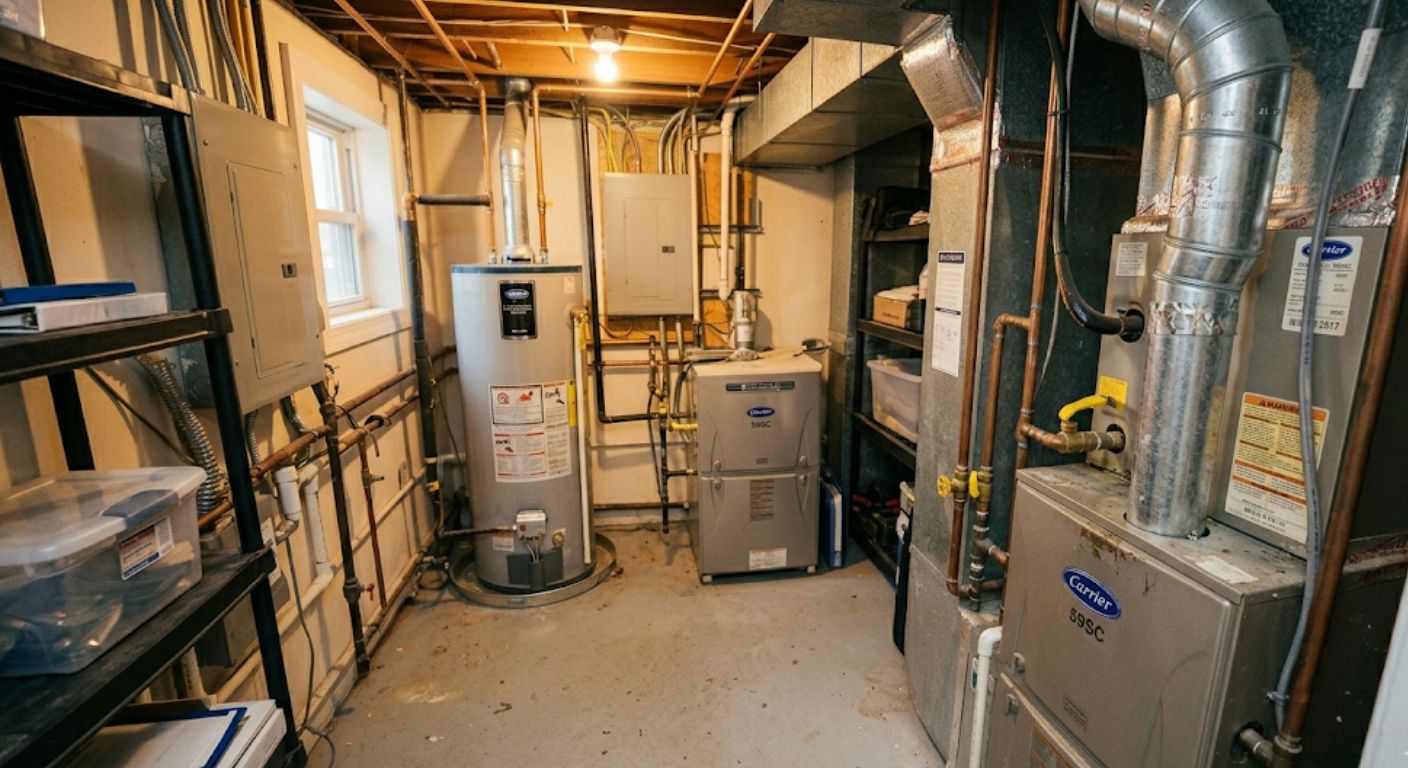
A standard home inspection covers the major systems and structural components: roof, foundation, electrical, plumbing, HVAC, windows, doors, and visible insulation. The inspector notes conditions, deficiencies, and items that warrant further evaluation by a specialist.
For older DC Metro homes, which often date back 80 to 100 years, it is common to see items like updated electrical panels with older wiring behind walls, knob-and-tube or aluminum wiring from earlier decades, cast iron or galvanized plumbing, or aging HVAC systems. None of these automatically means the home is a bad buy. They inform the conversation.
How to Read the Report
Not everything in an inspection report is equally important. Inspectors note all conditions they observe, which can result in long reports where minor maintenance items appear alongside genuine structural or mechanical concerns. Your agent should help you sort through what is material versus what is routine.
The questions to focus on are: Is there anything that affects the safety or habitability of the home? Is there anything that involves a major system repair or replacement in the near term? Are there signs of water intrusion, structural movement, or other issues that could be expensive or difficult to resolve?
What Happens After the Inspection
You have a few options after the inspection. You can proceed as is if the findings are minor or already reflected in the price. You can request that the seller make specific repairs before closing. You can ask for a price reduction or credit in lieu of repairs. Or, if the findings are significant, you can exercise your inspection contingency and walk away.
In a competitive market, some buyers waive inspection contingencies to strengthen their offer. That is a real risk with real tradeoffs, and it is worth a detailed conversation with your agent about whether that makes sense for a specific property and situation. In many DC Metro transactions, buyers use modified contingencies rather than full waivers. How those contingencies are structured and what rights they preserve varies by contract and jurisdiction. Review any contingency language carefully with your agent and, where appropriate, a real estate attorney before proceeding.
Frequently Asked Questions
Do I need a home inspection when buying in DC?
You are not legally required to have one, but it is strongly advisable. A home inspection gives you information about the actual condition of the property before you close. Waiving it entirely means accepting whatever is there, known or unknown.
How much does a home inspection cost in Washington DC?
Costs vary by inspector and property size, but buyers in the DC Metro Area typically pay somewhere between $400 and $700 for a standard inspection. Specialty inspections for items like radon, oil tanks, or structural concerns are usually separate and additional.
Can I negotiate repairs based on the inspection?
Yes, in most transactions. The inspection period is when buyers and sellers work through findings and agree on how to handle them. What you can negotiate depends on the market conditions, the terms of your offer, and how significant the findings are.
What if the seller refuses to make repairs?
If the seller declines to address inspection findings, you can accept the property as is, negotiate a price credit instead of repairs, or walk away if your contract includes an inspection contingency. Your agent should help you think through which option makes sense given the specific situation.
With over 22 years of experience and $779 million in career sales across the DC Metro market, I can help you understand what findings are common in this market, what is actually worth negotiating, and how to approach the conversation with the seller. Visit mattsold.com to learn more.
Matt Cheney | Compass Real Estate is committed to the principles of the Fair Housing Act and the Equal Opportunity Act. All real estate services are provided without regard to race, color, national origin, religion, sex, familial status, or disability.
About Matt Cheney
Matt Cheney is a top-producing real estate advisor with Compass in Washington, DC, guiding buyers and sellers across DC, Maryland, and Virginia through high-stakes moves, from luxury sales to estate settlements, downsizing, and divorce-related transactions. With over $779 million in career sales volume and 22+ years of experience, Matt is ranked in the Top 1.5% of agents nationally by RealTrends America’s Best. He is known for calm, strategic guidance and a straightforward approach to complex and sensitive real estate situations.