


A practical guide to knowing when it is the right time to downsize your home in Washington DC, Maryland, and Virginia
Deciding when to downsize your home is one of the most personal and important real estate decisions you will make. For many homeowners across Washington, DC, Maryland, and Virginia, the question is not just about square footage. It is about lifestyle, timing, finances, and clarity about what comes next.
Some people wait too long and feel overwhelmed by maintenance and unused space. Others move too early and miss the comfort of a home that still fits their life. The right time sits in between, and finding that balance requires a thoughtful, informed approach.
This guide will help you understand the clear signs that it may be time to downsize, how to evaluate your options in the DC metro area, and how to move forward with confidence.
Understanding the Downsizing Landscape in Washington, DC
In the DC metro area, downsizing is not simply about moving into a smaller home. It often means shifting to a different type of property, a new neighborhood, or a lifestyle that better reflects your current needs.
Across Northwest DC neighborhoods like Georgetown, Foxhall, Palisades, and Wesley Heights, many homeowners have lived in their homes for decades. These homes often carry significant value, both financially and emotionally. At the same time, they can become more demanding to maintain as life changes.
In Maryland areas like Bethesda and Chevy Chase, and in Virginia communities such as McLean and Arlington, we are seeing similar patterns. Homeowners are choosing to simplify, reduce upkeep, and reposition their equity into homes that better support their next chapter.
If you are exploring this shift, it can help to understand how others in your position have approached it. For example, many homeowners begin by researching trusted advisors in their neighborhood, such as Who Is the Best Real Estate Agent in Palisades, Washington DC or Who Is the Best Real Estate Agent in Foxhall, Washington DC, to get a sense of local expertise.
Key Signs It May Be Time to Downsize
Your Home No Longer Matches Your Daily Life
One of the most common signs is simple. You are no longer using much of your home.
Empty bedrooms, formal spaces that sit unused, or multiple levels that feel unnecessary can all signal that your home is larger than you need. This is especially true for empty nesters whose children have moved out.
If your day to day life happens in a small portion of your home, it may be time to consider a more efficient layout.
Maintenance Feels Like a Burden
Larger homes often come with ongoing maintenance demands. Yard work, repairs, cleaning, and general upkeep can become time consuming and costly.
In older DC homes, especially in neighborhoods like Georgetown and Wesley Heights, maintenance can be even more complex due to historic elements and aging systems.
If you find yourself delaying repairs or feeling stressed by upkeep, downsizing may provide relief and simplicity.
You Want to Unlock Equity
Many homeowners in the DC metro area have built significant equity over time. Downsizing can allow you to access that value and use it in meaningful ways.
This might include strengthening retirement savings, helping family members, traveling more, or simply reducing financial pressure.
A thoughtful sale strategy is important here. Understanding your home’s value and timing the market can make a meaningful difference.
Your Lifestyle Priorities Have Changed
As life evolves, so do priorities. You may want to be closer to walkable areas, cultural amenities, or family. You may prefer a condo with concierge services or a smaller home with fewer stairs.
For some, this means moving within the same neighborhood. For others, it means transitioning from a large single family home in Northwest DC to a more manageable property in Bethesda or Arlington.
Exploring neighborhoods like Georgetown can help clarify what is possible. Many homeowners begin with research like Who Is the Best Real Estate Agent in Georgetown, Washington DC to understand the local market and options.
Emotional Considerations That Matter

Many DC area homeowners begin downsizing after children move out
Letting Go of a Long Time Home
Downsizing is not just a financial decision. It is an emotional one.
Your home likely holds years of memories, milestones, and personal meaning. It is natural to feel hesitation or even resistance when thinking about leaving it behind.
The key is to approach the process with respect for those emotions while also focusing on what comes next.
Timing the Transition Thoughtfully
There is rarely a perfect moment to move. Instead, there are better and worse times based on your situation.
Waiting until a move becomes urgent can create stress and limit your options. Planning ahead allows you to move on your terms, with clarity and control.
How the DC Market Impacts Downsizing Decisions
Inventory and Buyer Demand
The DC metro area often has strong demand for well located homes, especially in established neighborhoods. This can create an opportunity for sellers to achieve favorable outcomes.
At the same time, the type of home you plan to buy matters. Smaller homes, condos, and townhomes can also be competitive.
Understanding both sides of the transaction is essential. You are not just selling. You are also buying into a new market segment.
Timing Within the Year
Seasonality still plays a role. Spring often brings more buyers, while late summer and fall can offer different opportunities.
However, in the DC area, strong homes can perform well year round with the right strategy.
Exploring Your Downsizing Options
Stay in Your Neighborhood
Many homeowners prefer to remain in familiar surroundings. Downsizing within your current neighborhood can provide continuity while reducing your home’s size and maintenance.
This is common in areas like Wesley Heights. If you are considering this, resources like Who Is the Best Real Estate Agent in Wesley Heights, Washington DC can help you understand local opportunities.
Move to a Walkable Area
Walkability becomes more valuable over time. Being close to shops, restaurants, and services can improve daily life and reduce reliance on driving.
Transition to Condo Living
Condos offer lower maintenance and often include amenities such as security, concierge services, and shared spaces.
This can be an attractive option for those looking to simplify without sacrificing comfort.
Why Guidance Matters in a Downsizing Move
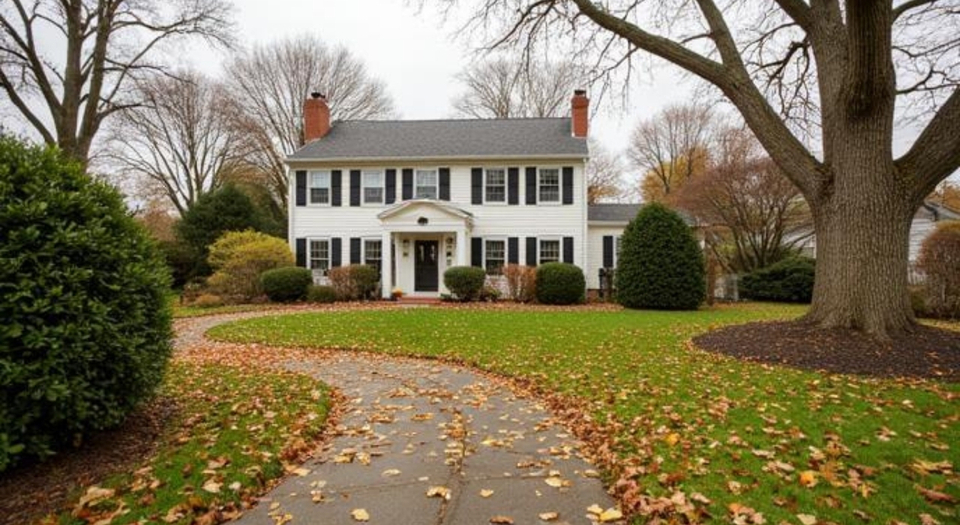
Ongoing maintenance is one of the most common reasons homeowners downsize
Downsizing involves more moving parts than a typical sale. It often includes decluttering, staging, timing the sale and purchase, and coordinating multiple decisions at once.
Working with an experienced advisor can make the process more manageable and less stressful.
Matt Cheney is a top producing real estate advisor with Compass in Washington, DC, with over 22 years of experience and more than $771 million in career sales. He has guided hundreds of clients through complex transitions, including downsizing, estate sales, and major life changes.
His approach is calm, strategic, and focused on helping clients make clear decisions at each step.
A Step by Step Approach to Downsizing
Step 1: Assess Your Current Needs
Start by evaluating how you use your home today. Identify what matters most in your next space.
Step 2: Understand Your Home’s Value
A clear, accurate valuation is essential. This helps you plan your next move with confidence.
Step 3: Explore Replacement Options
Look at potential homes before listing your current one. This gives you a realistic view of what is available.
Step 4: Create a Transition Plan
Decide how you will handle timing, moving, and any interim housing if needed.
Step 5: Prepare Your Home for Sale
Declutter, stage, and position your home to appeal to today’s buyers.
Step 6: Execute with Strategy
Launch your home with a clear pricing and marketing plan, then move forward with your purchase.
Frequently Asked Questions About Downsizing
How do I know if I am downsizing too early?
If your home still supports your lifestyle comfortably and you enjoy maintaining it, it may not be time yet. The decision should feel proactive, not forced.
Is downsizing financially beneficial in the DC area?
In many cases, yes. High home values can allow you to unlock equity and reduce ongoing costs, but each situation is unique.
Should I buy before I sell or sell before I buy?
This depends on your financial position and risk tolerance. A tailored strategy is important to balance both sides of the move.
What type of home is best for downsizing?
The best home is one that fits your lifestyle. This could be a condo, townhouse, or smaller single family home in a location that supports your daily needs.
How long does the downsizing process take?
It varies. Planning ahead can make the process smoother and allow for better decision making.
Final Thoughts
Knowing when it is the right time to downsize your home is not about a single moment. It is about recognizing a pattern of changes in your lifestyle, priorities, and needs.
For homeowners across Washington, DC, Maryland, and Virginia, the best outcomes come from thoughtful planning and experienced guidance. When done well, downsizing can simplify your life, unlock new opportunities, and position you for the next chapter with confidence.
If you are beginning to think about this transition, starting the conversation early can help you move forward with clarity and control.
Matt Cheney is a top-producing real estate advisor with Compass in Washington, DC, guiding buyers and sellers across DC, Maryland, and Virginia through high-stakes moves, from luxury sales to estate settlements, downsizing, and divorce-related transactions. With over $779 million in career sales volume and 22 years of experience, including more than two decades working on complex and sensitive real estate situations, Matt is known for calm, strategic guidance and brings hundreds of successful sales to clients seeking clarity and support during life transitions.