

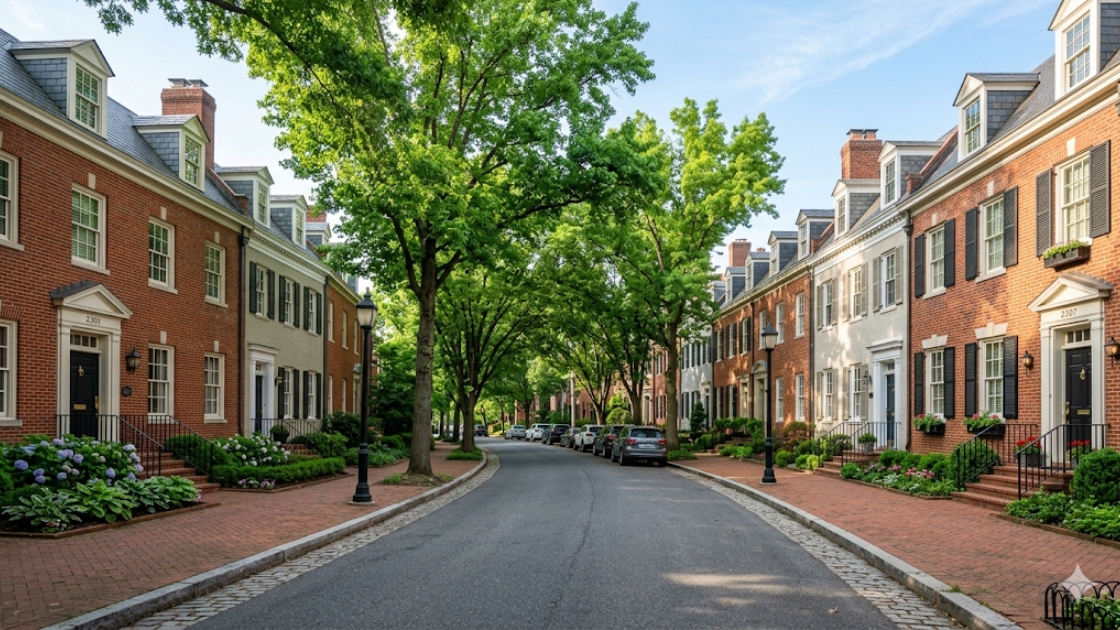
In Washington, DC, two homes on streets two blocks apart can have significantly different market trajectories. The city is that granular. Understanding this before you start making offers is one of the most valuable things a buyer can do. The buyers who feel confident in their purchases are almost always the ones who spent time understanding the neighborhood before they committed to any specific property.
Define What You Actually Need Before You Start Looking
Before you evaluate any neighborhood, be honest about what your daily life requires from a location. This is different from what you want in an ideal world. Think about where you need to be regularly, how you get there, and what kind of environment you actually thrive in versus what just sounds appealing in a search filter.
The buyers who feel most confident in their decisions are the ones who started with a clear list of what the location needs to do for them, not just what the home needs to look like. Once you know what matters, filtering neighborhoods becomes a much faster and more decisive process.
How to Read a Neighborhood’s Market Trajectory
A few data points are worth pulling before you get too far into a neighborhood search:
- Price trends over time: Has this area appreciated steadily? More volatility in a neighborhood’s price history can mean more risk in a shorter holding period. Your agent can pull this data for specific streets and zip codes.
- Days on market: Neighborhoods where homes sell quickly and consistently have strong demand. Areas with high average days on market may signal softer demand, a price mismatch, or buyer hesitation for reasons worth understanding.
- Turnover rate: Low turnover in a neighborhood with a good reputation typically means owners are staying by choice, which reflects confidence in the area long term.
- Price per square foot by street: Within the same neighborhood, specific streets can perform noticeably better or worse than the average. Your agent can pull sold data by street rather than just by neighborhood.
What You Learn from Actually Walking a Neighborhood
Online research has real limits. The things that most affect whether you enjoy living somewhere are often only observable on the ground.
Visit at different times of day. A quiet street on a Sunday morning can feel very different at 7:30 on a weekday morning during school and commute hours. Notice how well neighboring properties are maintained, because your neighbors’ choices affect your value. Identify infrastructure factors close to the home, rail lines, delivery routes, commercial corridors, flight paths, that may not be obvious from a satellite map but are immediately apparent when you are standing there. Look at parking, sidewalk condition, proximity to green space, and how active the street feels at different hours.
You may also like: 5 of Washington DC’s Most Walkable Neighborhoods for Everyday Living, What are the most desirable neighborhoods for high-end homes in Washington DC, and What Buyers in the DC Metro Area Should Know About Contingencies Before Making an Offer
Northwest DC: What Buyers Should Understand About Each Neighborhood
For buyers focused on Northwest DC, it is worth spending time understanding the actual character of each area before narrowing your search. Foxhall and Wesley Heights draw buyers who want larger lots and established architecture close to the city center. The Palisades has a quieter, more self-contained feel with strong long-term demand. Georgetown offers unmatched proximity to amenities and a highly recognizable address, but the price per square foot is higher than comparable space further northwest. Spring Valley and Kent offer their own distinct character, with Spring Valley drawing buyers who want a more village-like atmosphere with strong long-term value.
The trade-offs in each area are real and worth understanding before you start touring homes. An agent who knows these neighborhoods well can give you a much faster and more accurate read on where your priorities and budget align than any amount of solo research will.
How Matt Cheney Helps Buyers Navigate the DC Neighborhood Market
Matt has worked in DC, Maryland, and Virginia for more than two decades. That experience means real familiarity with specific streets, how pricing patterns shift block by block, and what factors tend to drive long-term value in each part of the market. For buyers who want a clear-eyed overview of their options before they start scheduling tours, a direct conversation with Matt is a productive first step. Reach out at MattSold.com.
Frequently Asked Questions
What are the strongest neighborhoods for buyers in Northwest DC right now?
Georgetown, Foxhall, Wesley Heights, The Palisades, and Spring Valley consistently hold strong buyer demand. The right neighborhood for you depends on your budget, your lifestyle priorities, and how long you plan to hold the property. An agent with local data can give you a current read on each area.
How do I know whether a DC neighborhood is appreciating or declining?
Look at price-per-square-foot trends over three to five years, average days on market over the past 12 months, and recent sale volume compared to prior years. A local agent can pull this data for specific streets and help you interpret what it means for your specific search.
Is it risky to buy in a less established DC neighborhood?
It depends on your timeline and your risk tolerance. Less established neighborhoods can offer better value per square foot, but they require a longer holding period to capture appreciation and carry more uncertainty in the near term. If your timeline is under five years, more established neighborhoods typically carry less risk.
What should I pay attention to when walking a neighborhood for the first time?
The condition of neighboring properties, traffic and noise at different times of day, proximity to major roads or infrastructure, access to parks and green space, and how active and maintained the street feels overall. None of this is visible on a listing portal.
How does a buyer’s agent in DC help with neighborhood research?
A knowledgeable local agent brings current market data, direct transaction experience by neighborhood, and a practical read on how different areas perform at different price points. They can also tell you things about specific streets and pockets that will never appear in any search portal.
Final Word
The buyers who feel best about their purchases in DC are the ones who understood the neighborhood before they fell in love with a specific house. Getting that context early, before you are emotionally committed to a property, leads to clearer decisions and fewer regrets. If you want help understanding your options before you start seriously touring, reach out to Matt directly.
About Matt Cheney
Matt Cheney is a top-producing real estate advisor with Compass in Washington, DC, guiding buyers and sellers across DC, Maryland, and Virginia through high-stakes moves, from luxury sales to estate settlements, downsizing, and divorce-related transactions. With over $779 million in career sales volume and 22 years of experience, including more than two decades working on complex and sensitive real estate situations, Matt is known for calm, strategic guidance and brings hundreds of successful sales to clients seeking clarity and support during life transitions.