

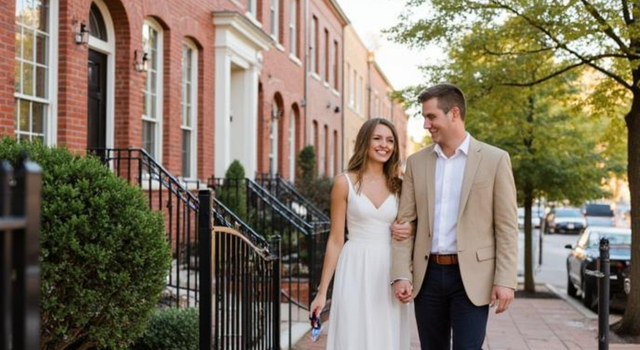
For many couples in Washington, DC, buying a first home together is one of the most exciting steps after marriage.A home represents stability, shared goals, and the beginning of a long-term financial journey. At the same time, the decision can feel overwhelming. The Washington DC housing market is dynamic, neighborhoods vary widely, and the idea of choosing the right starter home raises many questions.
The good news is that buying a starter home does not require finding the perfect forever house. Instead, the goal is to choose a property that supports your lifestyle today while allowing flexibility for the future. With thoughtful planning and a clear understanding of the local market, newly married couples can make confident decisions about their first home purchase.
Why a Starter Home Still Makes Sense in Washington DC
The concept of a starter home has evolved over time. Years ago, a starter home was typically a smaller property purchased with the expectation of moving again in five to seven years. Today, the definition is more flexible, particularly in markets like Washington DC where property values can be higher.
For many couples, a starter home might be a condominium in a walkable neighborhood, a townhouse close to work, or a smaller detached home in a developing area. The goal is to enter the housing market in a way that fits your current financial position while leaving room to grow.
Start With a Clear Budget
One of the most important steps for newly married couples is establishing a realistic budget before beginning the home search. This process goes beyond simply determining how much a lender will approve.
A comfortable budget considers monthly mortgage payments, property taxes, insurance, utilities, and maintenance costs. Couples should also leave room in their budget for travel, savings, and lifestyle goals.
In Washington DC, housing costs can vary significantly depending on the neighborhood and property type. Establishing a clear budget early helps narrow the search and prevents unnecessary stress during the process.
Choosing the Right Neighborhood
Neighborhood selection plays a major role in the starter home decision. Each community in the Washington DC metro area offers a unique mix of architecture, amenities, and lifestyle.
Some couples prioritize walkability and proximity to restaurants, parks, and transit. Others prefer quieter residential streets or easy commuting access to Northern Virginia or Maryland.
Understanding neighborhood dynamics can help couples evaluate which areas align best with their goals.
Others may be drawn to the charm and historic architecture of Foxhall, a neighborhood known for its proximity to Georgetown and strong sense of community.
And for couples looking for a vibrant urban lifestyle, Georgetown remains one of the most recognizable neighborhoods in Washington DC, offering historic homes, waterfront views, and a dynamic retail environment.
Exploring these neighborhoods helps couples understand the diversity of housing options available across the city.
Deciding Between Condos, Townhomes, and Houses

Starter homes come in many forms in the DC metro area. Newly married couples often consider three main options.
Condominiums
Many condos in Washington DC are located in walkable neighborhoods with convenient access to transit and restaurants.
Townhouses
Townhomes provide more space than condos while still offering relatively manageable maintenance responsibilities. They often include small outdoor areas and multiple levels.
Single Family Homes
Detached homes provide more privacy and yard space, though they may require a larger budget and more maintenance responsibility.
Thinking About the Future
Even though a starter home may not be a forever home, it should still support your future plans. Couples may want to consider factors such as potential family growth, remote work needs, and long term career changes.
Flexibility is important. A home that works well today should also have the potential to remain functional for several years.
You may also like: Best Neighborhoods for Newly Married Couples in DC, Maryland, and Virginia, What Buyers in the DC Metro Area Should Know About Contingencies Before Making an Offer, and The Best Suburban Walkable Downtowns in Maryland and Virginia
Starter Home Buying Checklist

Frequently Asked Questions
How much should newly married couples spend on a starter home?
The right budget depends on combined income, existing debt obligations, lifestyle priorities, and long-term goals. Many financial advisors suggest keeping total housing costs, including mortgage, taxes, insurance, and HOA fees where applicable, at or below 28 to 30 percent of gross monthly income. In the DC metro area, buyers may find that their budget stretches further in certain neighborhoods or property types than others, making it worth exploring a range of options before committing to a price point.
Is it better to buy a condo or house as a first home?
Both options can work well depending on your priorities. Condos often offer affordability, walkability, and lower maintenance responsibility, which can appeal to couples who travel frequently or prefer an urban lifestyle. Houses tend to provide more privacy, outdoor space, and flexibility for future growth, though they often carry higher price tags and greater maintenance obligations. Working with an experienced local advisor can help you weigh those tradeoffs based on your specific situation.
How long should we plan to stay in a starter home?
Should we buy immediately after getting married?
Some couples choose to purchase shortly after marriage, while others prefer to rent for a period while they settle into shared finances, explore neighborhoods, and learn more about the local market. There is no universal right answer. The most important factor is feeling financially prepared and aligned as a couple on your goals before committing to a purchase.
Final Thoughts
In a vibrant housing market like Washington DC, thoughtful planning and strong professional guidance can make the process far smoother. By focusing on budget, neighborhood, and long term flexibility, newly married couples can confidently take their first step into homeownership.
With over $780 million in career sales volume and 23+ years of experience, Matt is ranked in the Top 1.5% of agents nationally by RealTrends America’s Best. He is known for calm, strategic guidance and a straightforward approach to complex and sensitive real estate situations.
Matt Cheney | Compass Real Estate is committed to the principles of the Fair Housing Act and the Equal Opportunity Act. All real estate services are provided without regard to race, color, national origin, religion, sex, familial status, or disability.
Real estate considerations related to divorce or estate matters involve legal and financial complexities. Consult a qualified attorney and financial advisor for guidance specific to your situation.