

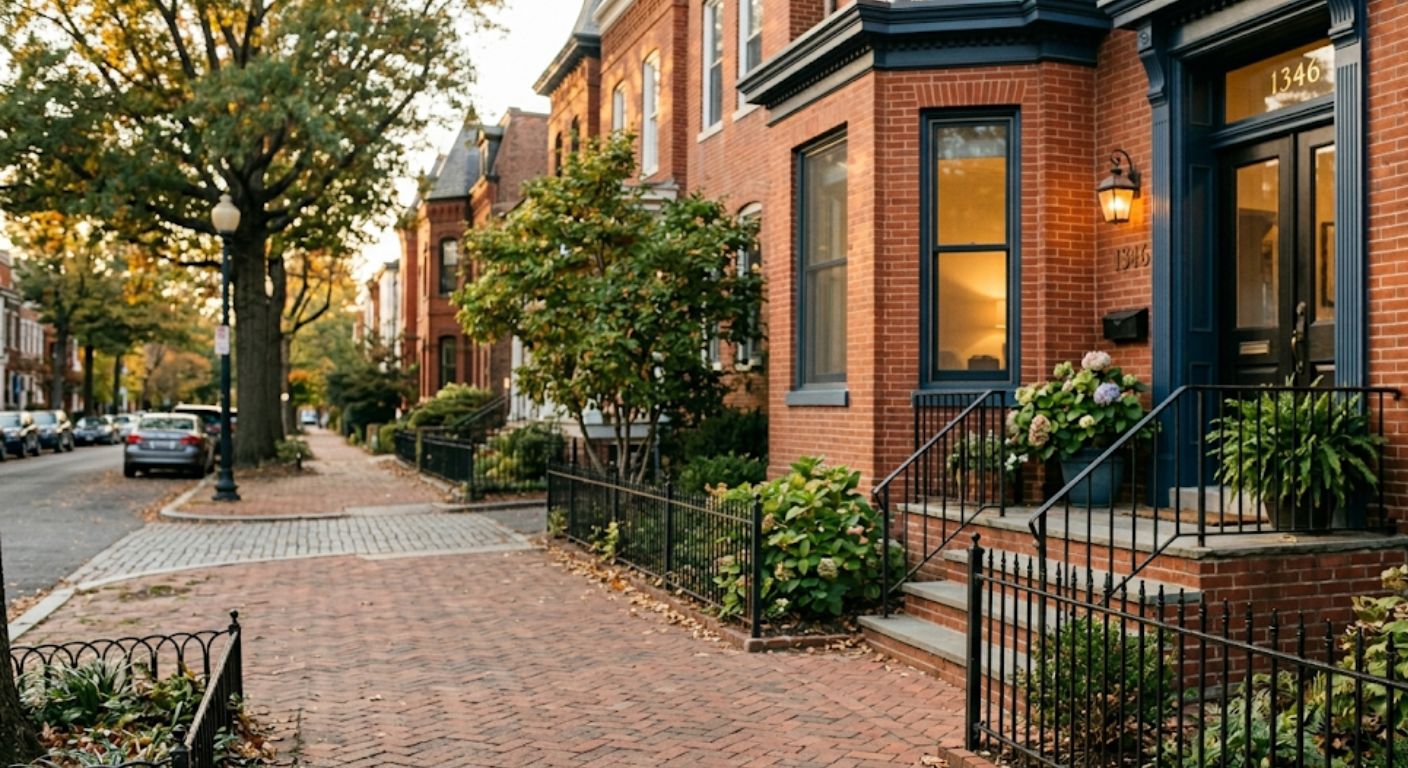
Long-term DC renters who make the move to ownership often find they had more options than they realized.
A lot of DC residents rent for years longer than they originally planned. The city’s rental market is strong enough that it is genuinely competitive with owning in certain neighborhoods and price ranges, at least in the short term. But the calculus changes as time passes, and there comes a point where the decision to keep renting versus buy deserves a careful look.
This post is for people who have been renting in DC for five or more years and are now seriously thinking about making the move, not first-time buyers who just arrived in the city, but long-term residents who have been putting off the purchase and are finally ready to look at it directly.
What You Already Know and What Will Surprise You
Years of renting in DC gives you real knowledge that buyers from outside the area do not have. You know the neighborhoods. You have a sense of which streets you actually like, how commutes work, and what it feels like to live in different parts of the city. That is genuinely useful when you start looking at homes.
What tends to surprise long-term renters is how different the search process is from renting an apartment. The timeline is longer. There are more variables. The financial picture involves a down payment, closing costs, and ongoing costs of ownership that do not come up when you are renting. And the emotional stakes feel higher because you are making a decision that is harder to undo.
Getting Your Financial Picture Clear
Before you start looking seriously, understand what you can actually afford and what you will need at closing. A mortgage pre-approval is the starting point. It tells you what lenders will consider lending you based on your income, assets, and credit. But the pre-approval amount is not necessarily the number you should build your search around. Monthly payment, property taxes, maintenance reserves, and HOA fees where applicable all factor in.
Closing costs in DC, Maryland, and Virginia vary, but buyers should generally plan for 2 to 4 percent of the purchase price in closing costs on top of the down payment. DC has a recordation tax that applies to purchases above certain thresholds, so it is worth confirming the current rate with your lender or a real estate attorney before you finalize your budget.
You may also like: Best Neighborhoods for Newly Married Couples in DC, Maryland, and Virginia, 5 of Washington DC’s Most Walkable Neighborhoods for Everyday Living, and What Buyers in the DC Metro Area Should Know About Contingencies Before Making an Offer
Thinking About the Right Neighborhood as an Owner
The neighborhood that works well as a renter may or may not be the same one that makes sense as an owner. Renters often prioritize proximity to work, nightlife, or specific amenities. Owners sometimes think more about long-term livability, parking, outdoor space, and what the surrounding blocks look like over time.
It is worth asking yourself what you actually want out of the next chapter. Do you want to stay in the same part of DC you have been renting? Are there neighborhoods you have always been curious about but dismissed because the apartments were less convenient? Owning changes the calculus, and it is worth thinking through those questions before you lock in on a search area.
Frequently Asked Questions
Is it better to keep renting or buy a home in DC?
That depends on your financial situation, how long you plan to stay, and what matters to you. Renting and owning each have real advantages depending on the circumstances. If you have been in DC for several years and your life is stable enough to support a purchase, the math often shifts toward buying over time, but there is no single right answer for everyone.
How much do I need saved to buy a home in Washington DC?
The amount depends on the price range you are looking in. At minimum, plan for a down payment (which can vary from 3.5% to 20% or more depending on the loan type) plus 2 to 4 percent of the purchase price in closing costs. Having some additional reserves after closing is also advisable.
Can long-term renters in DC qualify for first-time buyer programs?
Many first-time buyer assistance programs define eligibility based on whether you have owned a home in the past three years, not how long you have been renting. DC and several surrounding jurisdictions offer programs worth exploring. A lender who works frequently in this market can walk you through what is currently available.
How long does the home buying process take in Washington DC?
From starting your search to closing, the timeline typically runs two to four months, though it can be shorter or longer depending on market conditions, how specific your requirements are, and how quickly properties move in the neighborhoods you are targeting.
How I Can Help
If you have been renting in DC for years and are finally ready to take this seriously, I would be glad to walk you through the process. Visit mattsold.com to get started.
Matt Cheney | Compass Real Estate is committed to the principles of the Fair Housing Act and the Equal Opportunity Act. All real estate services are provided without regard to race, color, national origin, religion, sex, familial status, or disability.
About Matt Cheney
Matt Cheney is a top-producing real estate advisor with Compass in Washington, DC, guiding buyers and sellers across DC, Maryland, and Virginia through high-stakes moves, from luxury sales to estate settlements, downsizing, and divorce-related transactions. With over $779 million in career sales volume and 22+ years of experience, Matt is ranked in the Top 1.5% of agents nationally by RealTrends America’s Best. He is known for calm, strategic guidance and a straightforward approach to complex and sensitive real estate situations.