

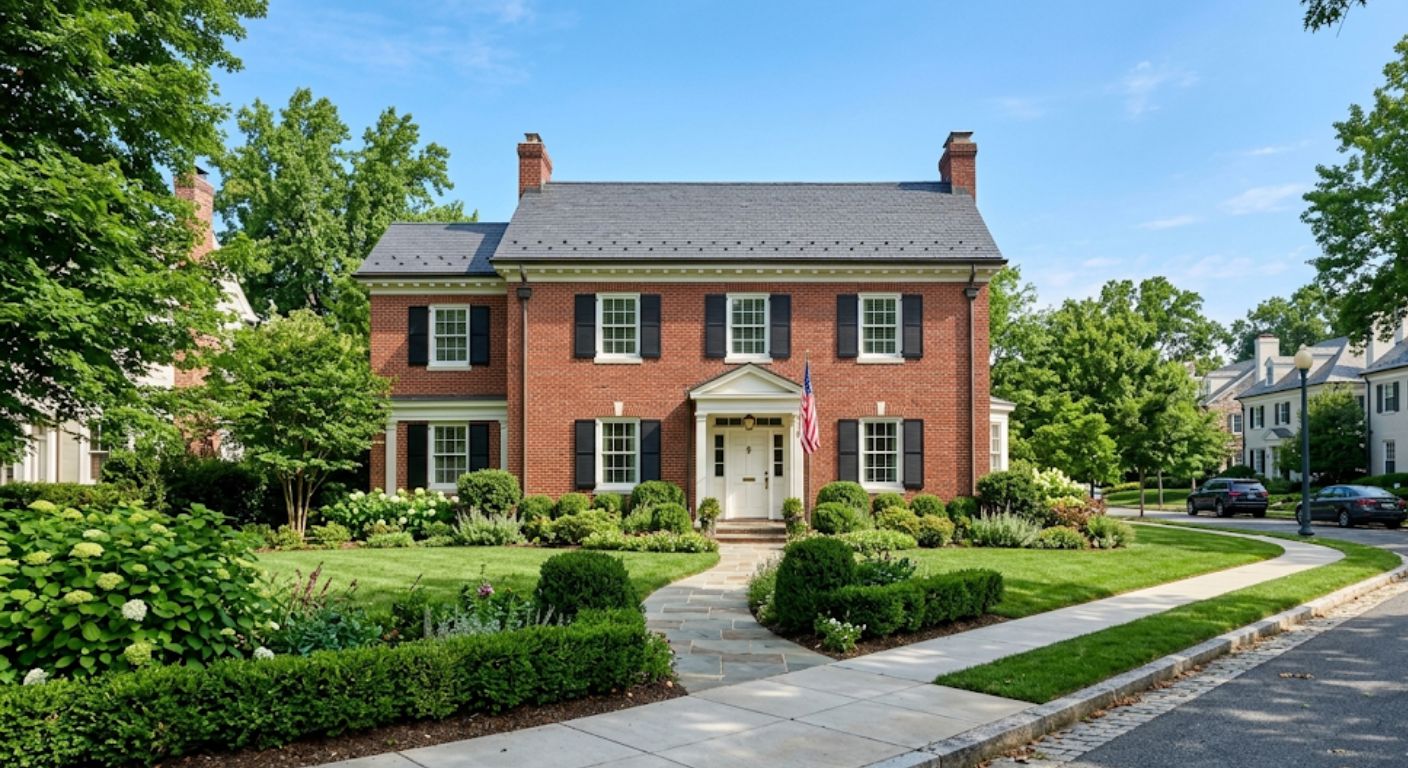
Understanding how to compete effectively in the DC metro market is the difference between overpaying in a rush and buying with confidence.
Buying a home in the DC metro area requires real preparation. The market rewards buyers who know what they want, move decisively, and come in with a well-structured offer. It tends to punish buyers who rush in without a clear strategy or drag their feet when a good home comes along.
Here is a practical look at how to navigate this market without paying more than you need to.
Get Your Financing in Order Before You Start Looking
This sounds basic, but it matters more than most buyers expect. In a market where good homes attract multiple offers, sellers and listing agents look closely at the strength of each offer’s financing. A buyer with a pre-approval letter from a reputable lender is in a meaningfully better position than one who has not yet spoken to anyone.
Beyond the pre-approval, understand what you can actually spend, not just what you are approved for. Your monthly payment, your reserves, and your ability to handle closing costs and potential repairs all factor into what a sustainable purchase looks like for you. Coming in with a clear financial picture before you start touring will save you from making a decision under pressure that you regret later.
Know the Difference Between a Competitive Offer and an Overpay
Being competitive does not mean paying whatever it takes. It means understanding what the home is actually worth in the current market and structuring an offer that reflects both that value and the competitive dynamics you are facing.
A few things that help you stay grounded:
- Look at what comparable homes have actually sold for in the past 60 to 90 days, not just what is listed right now.
- Understand what drove those sale prices, was there a bidding war, was the home in exceptional condition, was there something about that specific property that made it more valuable?
- Assess the home you are looking at honestly. Is it worth more, less, or about the same as those comps, and why?
- Know your own ceiling before you enter any negotiations, and hold it.
A well-informed buyer does not panic-bid. They know what the home is worth, and they make a strong, well-reasoned offer that reflects that.
Understand What Terms Matter Beyond Price
In a competitive offer situation, price is one variable. The other terms in the contract can be just as important to a seller, and sometimes more so.
Settlement timeline, financing contingency language, inspection approach, and earnest money deposit all signal to the seller how serious and how certain you are. An offer that is slightly below the top bid but comes in with a clean structure, a strong deposit, and a flexible settlement date can win over a higher offer that is full of contingencies.
Your agent should help you understand what the seller is likely to value most in any specific situation, and structure your offer accordingly.
Do Not Skip the Inspection
In competitive markets, buyers sometimes consider waiving the home inspection to make their offer more attractive. This is worth careful thought. Skipping the inspection entirely removes your ability to understand what you are buying, and what issues might be lurking in a home that looks fine on the surface.
There are ways to make your offer competitive while still getting an inspection, including pre-inspection before submitting an offer, shorter inspection windows, or limiting the scope of what you would negotiate post-inspection. Talk through the options with your agent rather than treating it as an all-or-nothing decision.
How Matt Cheney Helps Buyers in the DC Metro Area
Matt’s approach to working with buyers is grounded in preparation, local knowledge, and honest guidance. He helps you understand what the market is actually doing in the specific neighborhoods and price ranges you are targeting, and he advises you on what a well-structured offer looks like without encouraging you to spend more than you need to.
When the right home comes along, he helps you move quickly and confidently. When a home is not right, or the price does not reflect what it is actually worth, he will tell you that directly.
With more than 22 years of experience across DC, Maryland, and Virginia, and over $779 million in career sales volume, Matt brings the depth of experience that matters when you are navigating a high-stakes purchase.
Frequently Asked Questions
How do I compete in the DC metro market without overpaying?
The best approach is to do the research before you are in the middle of an offer situation. Know what comparable homes have sold for, understand what drives value in the specific neighborhood you are targeting, and have a clear ceiling in mind before you start negotiating. A strong, well-structured offer based on real data will serve you better than an emotional bid made under pressure.
Should I waive contingencies to win a home in DC?
That depends on the specific home, the competitive situation, and your risk tolerance. Waiving contingencies can make an offer more attractive, but each one you remove is a protection you are giving up. Talk through the specific contingencies in question with your agent and make a deliberate decision rather than waiving everything by default.
How do I know if I am paying too much for a home in the DC metro area?
The answer comes from looking at recent comparable sales, understanding what drove those prices, and assessing whether the home you are considering offers equivalent or better value. Your agent should be able to give you a clear read on this before you submit an offer, not after.
What is the best way to find a home in Washington DC, Maryland, or Virginia?
Start by defining what you are actually looking for, including location, size, condition, and budget. Get your financing in place. Work with an agent who knows the specific market you are targeting. And be ready to move when you find something that fits, because good homes do not sit long in most parts of this market.
How long does it take to buy a home in the DC metro area?
It varies. Some buyers find the right home within a few weeks of starting to look. Others take several months. The timeline depends on how specific your criteria are, what inventory is available, and how quickly you are able to move when something fits. Having your financing in order from the start reduces friction when you do find the right property.
Final Word
Buying in the DC metro area takes preparation, local knowledge, and the ability to move confidently when the right opportunity comes up. The buyers who do best are the ones who understand the market before they are in the middle of a negotiation.
If you are getting ready to buy in Washington, DC, Maryland, or Virginia and want a clear-eyed look at what the market looks like right now, reach out. That conversation is always worth having before you start the search.
About Matt Cheney
Matt Cheney is a top-producing real estate advisor with Compass in Washington, DC, guiding buyers and sellers across DC, Maryland, and Virginia through high-stakes moves, from luxury sales to estate settlements, downsizing, and divorce-related transactions. With over $779 million in career sales volume and 22 years of experience, including more than two decades working on complex and sensitive real estate situations, Matt is known for calm, strategic guidance and brings hundreds of successful sales to clients seeking clarity and support during life transitions.