

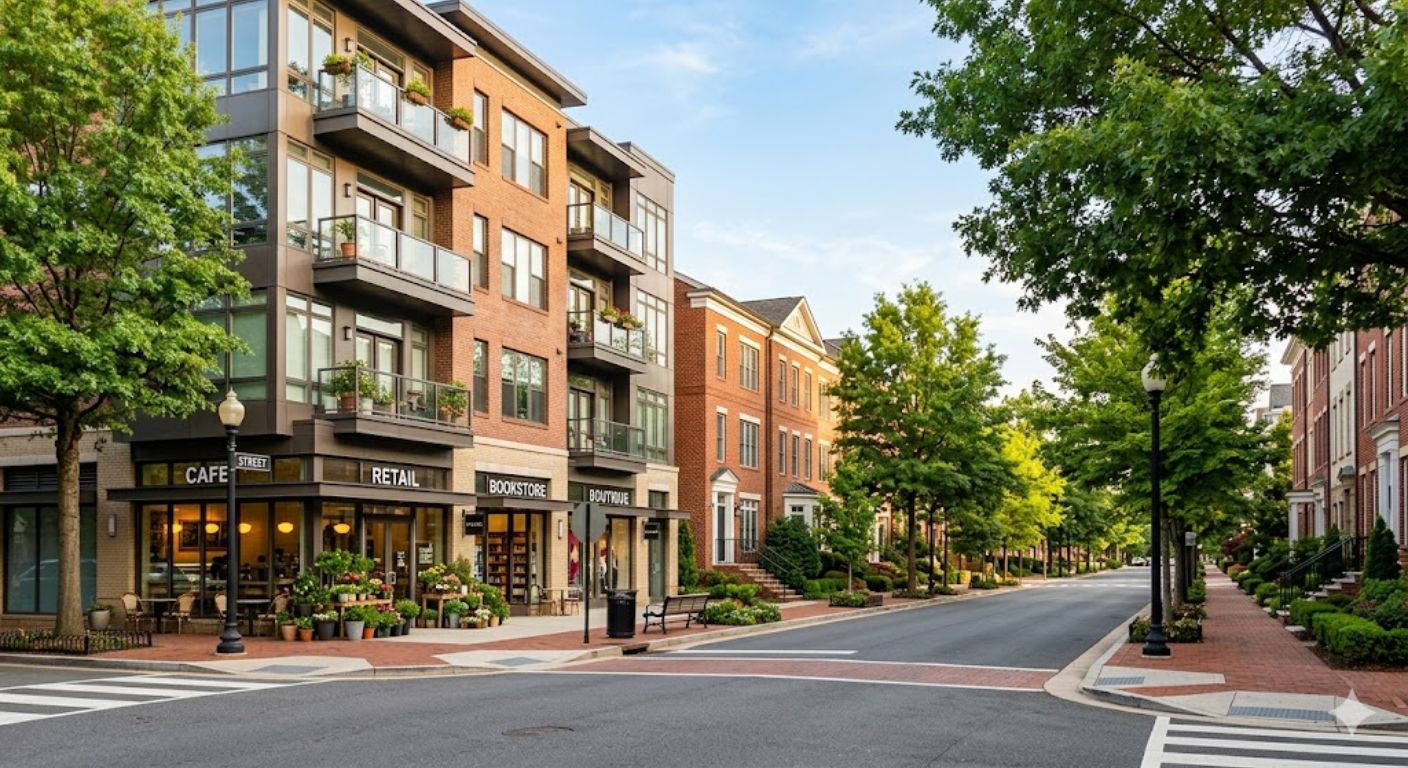
Understanding that connection does not require a background in economics. It requires paying attention to a few straightforward dynamics that play out consistently in the DC metro area. Whether you are a seller trying to understand why demand for your neighborhood is as strong as it is, or a buyer deciding between renting and buying in one of these markets, this context matters.
Why the Rental Market Is a Leading Indicator for Home Values
When rents rise significantly in a neighborhood, something important happens to the rent-versus-buy calculation that prospective buyers run. As monthly rent approaches or exceeds the cost of a mortgage payment on a comparable property, the financial case for buying strengthens. Buyers who had been renting and waiting begin to run the numbers seriously, realize the gap has narrowed, and decide that owning makes more financial sense than continuing to rent. This converts renters into buyers, which increases demand in the ownership market and puts upward pressure on prices.
The reverse dynamic is also real. When home prices rise significantly faster than rents, the rent-versus-buy math tilts toward renting, and some prospective buyers who would have purchased instead choose to rent and wait. This reduces buyer demand somewhat and can act as a natural ceiling on how far prices rise before the market self-corrects.
In the DC metro area, this dynamic plays out with particular clarity in high-demand, employment-dense markets like Bethesda, Arlington, and Northwest DC, where both rental and ownership markets are consistently active and both are influenced by the same underlying driver: a steady inflow of highly educated, well-compensated workers drawn to the federal government, government contracting, technology, and professional services sectors.
The Bethesda Rental Market and What It Signals for Sellers
Bethesda has maintained one of the strongest rental markets in the DC suburbs for years, driven by demand from professionals in healthcare, government, and private sector roles, including those affiliated with the National Institutes of Health and Walter Reed National Military Medical Center, as well as commuters traveling to DC via the Metro Red Line. Rental vacancy rates in Bethesda have historically been low, and rents for one and two-bedroom apartments in the downtown Bethesda corridor have consistently climbed.
What this signals for sellers is significant. When a renter in Bethesda is paying at or above current market rates for a one-bedroom apartment, which buyers should verify directly through current listings and local market data, the monthly cost of owning a condominium or a small townhome in the same area can begin to look competitive, particularly when the ownership option builds equity over time. That calculation pulls renters toward the ownership market, sustaining buyer demand for entry-level and mid-range properties in Bethesda even during periods of higher interest rates.
For sellers of condominiums and townhomes in Bethesda, the rental market provides a floor of demand that keeps buyers active even when broader market conditions soften. For sellers of larger single-family homes, the rental market is less directly influential, but the overall neighborhood desirability that strong rental demand reflects still supports values at the top of the market.
Arlington’s Rental Market and Its Influence on Home Prices
Arlington, Virginia is one of the most competitive rental markets in the entire DC metro area. The combination of Amazon’s HQ2 development at National Landing, proximity to the Pentagon and other major federal employment centers, walkable urban neighborhoods like Clarendon, Ballston, and Courthouse, and excellent Metro access creates sustained, intense demand for rental housing.
Rental rates in Arlington have historically ranked among the higher price points in the Virginia suburbs, and the pace of new apartment construction, while significant, has at times struggled to keep up with demand in the most sought-after corridors. Buyers and sellers should verify current rental data through local market reports for the most up-to-date figures. The result is a rental market that consistently redirects prospective buyers into the ownership market as renting becomes increasingly expensive relative to ownership.
The HQ2 effect in particular has been a meaningful driver of both rental and ownership demand in Arlington. The influx of workers in the technology sector has contributed to upward pressure on both rental and purchase markets simultaneously. For Arlington sellers in the mid-to-upper price ranges, that dynamic may improve buyer response depending on home and timing.
One nuance worth noting: in neighborhoods with large concentrations of new apartment buildings, the rental market can occasionally soften when significant new supply comes online. Sellers in these areas should track apartment availability and rental trends alongside ownership market data to get a full picture of demand dynamics.
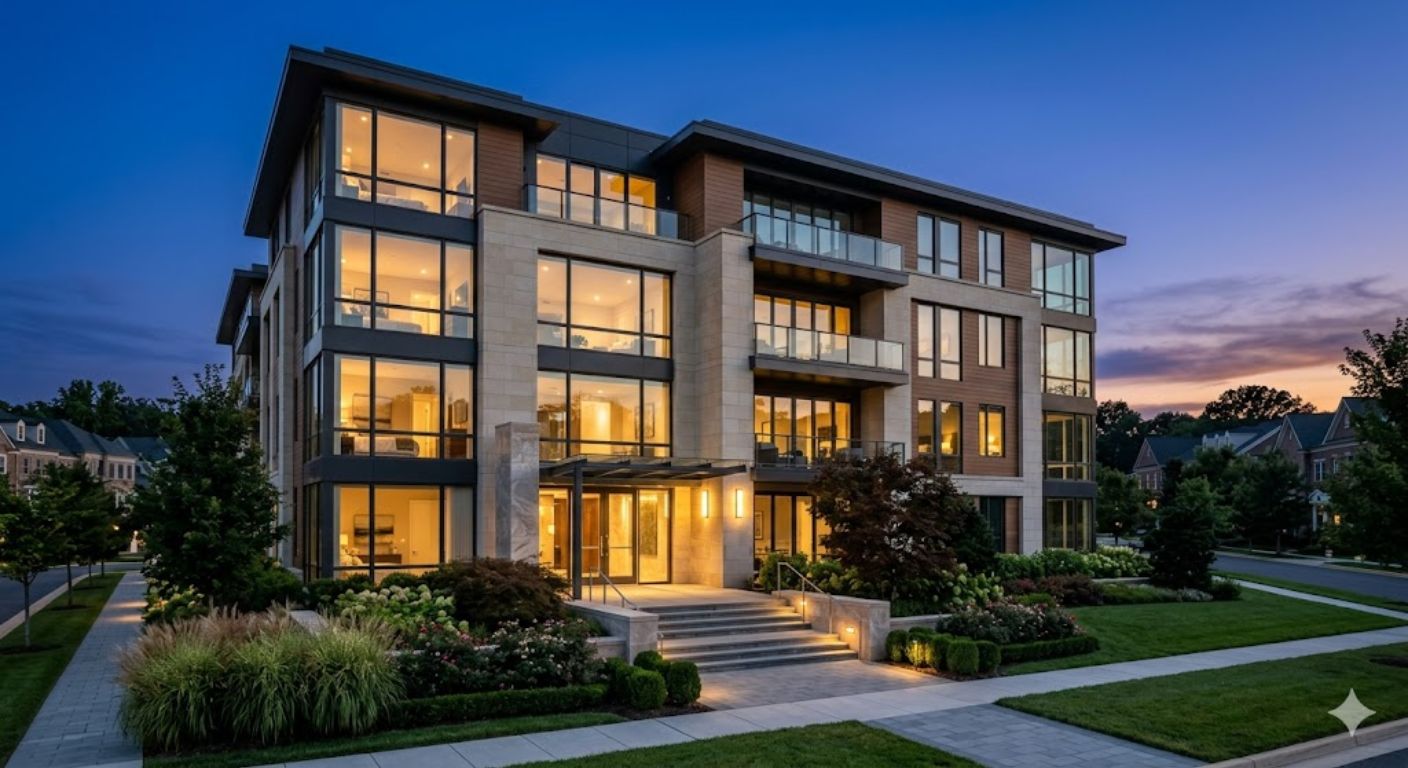
When rental vacancy is low and rents are climbing, more renters become buyers, a dynamic that supports home values across the DC metro area.
You may also like: Clarendon vs. Ballston: How to Choose the Right Arlington Neighborhood for Your Next Home, The Best Suburban Walkable Downtowns in Maryland and Virginia, and 5 of Washington DC’s Most Walkable Neighborhoods for Everyday Living
Northwest DC: Where Renters and Buyers Compete for the Same Neighborhoods
In many parts of Northwest DC, the rental and ownership markets are not competing for separate buyer pools. They are competing for the same people. A professional who arrives in DC from another city and starts renting in Dupont Circle, Cleveland Park, or Tenleytown is frequently the same person who decides, within a few years, to purchase a home in one of these or an adjacent neighborhood.
This pattern of rental-to-ownership progression is a structural feature of Northwest DC’s market. Renters become buyers. Their rental experience in the neighborhood creates familiarity, attachment, and specific neighborhood preferences that translate directly into purchase decisions. This means that a strong rental market in Northwest DC neighborhoods is not a competitor to the ownership market. It is a feeder into it.
For sellers of single-family homes and larger condominiums in Northwest DC, the implication is clear. The pool of buyers who will consider your home includes people who have been renting in or near your neighborhood, building their savings, their career stability, and their desire to own in that specific community. That buyer is motivated, informed, and ready to act when the right property comes to market at the right price.
What Rising Rents Mean for Investors and Seller Pricing
For investors, rising rents directly affect the cap rate calculations that determine whether a rental property makes financial sense to acquire. When rents are high relative to purchase prices, the math on investment properties improves, and investor buyer activity tends to increase. This adds another layer of demand, particularly for smaller properties, multi-family units, and homes with income potential.
For sellers, the practical implication is that in markets where rents are elevated and rising, there is a larger and more motivated buyer pool, which supports pricing at or near asking and can create competitive bidding situations for well-positioned properties. This is one of the reasons that sellers in Bethesda, Arlington, and Northwest DC may experience stronger buyer interest than those in markets with softer rental activity, though outcomes can vary depending on the property, price point, and current market conditions.
How to Use Rental Market Data in Your Selling Strategy
Most sellers do not think to ask about rental market conditions when they are preparing to list their home. But this data is genuinely useful for understanding the depth of buyer demand in your specific area. If rental vacancy rates are low and rents are rising in your neighborhood, it is a sign that the market is attracting more people than available housing can accommodate, which is a positive indicator for sellers.
If rents are softening, vacancy is rising, or significant new rental supply is coming online nearby, it may signal that the ownership buyer pool could face some competition from an improving rental market, which is worth factoring into your pricing and timing decisions.
An experienced DC metro real estate advisor can help you read these signals and incorporate them into a selling strategy that reflects the full demand picture, not just the ownership market data in isolation.
Frequently Asked Questions: Rental Market and Home Prices in the DC Metro Area
Does a strong rental market in Bethesda mean home prices will keep rising?
A strong rental market is one indicator of underlying housing demand, but home prices are influenced by many factors including interest rates, overall economic conditions, new construction activity, and national market trends. A strong rental market may support home values depending on conditions, but no specific result is guaranteed, and appreciation depends on a wide range of factors beyond rental activity alone.
Should I rent or buy in Arlington given the current market?
That decision depends on your personal financial situation, how long you plan to stay in the area, and the specific properties available at your budget. An honest look at the full cost of renting versus owning, factoring in current purchase prices and interest rates, is the right starting point for that analysis.
How does the Amazon HQ2 effect the Arlington real estate market?
Amazon’s HQ2 development at National Landing in Arlington has increased demand for both rental and ownership housing in the area, contributing to upward pressure on prices particularly in the neighborhoods most proximate to the development. This effect has been meaningful for both renters and buyers in the Arlington market.
Do rental market trends affect luxury home prices in Northwest DC?
At the luxury end of the market, the rental-to-ownership progression is less direct because the buyer pool is smaller and less dependent on rental market dynamics. However, the overall neighborhood desirability that a strong rental market reflects does support luxury home values indirectly.
What is a typical rental vacancy rate in Bethesda or Arlington?
Both Bethesda and Arlington have historically maintained relatively low rental vacancy rates compared to national averages, typically in the low single digits for Class A apartment buildings. Current rates can be verified through local market reports and real estate data services.
Can landlords in Northwest DC charge premium rents?
DC has rent control laws that apply to many rental properties, which can limit rent increases for existing tenants in covered properties. Certain property categories, including some built after 1976, have historically been exempt, but rent control regulations are subject to change and vary by circumstance. Investors evaluating rental properties in DC should consult a qualified real estate attorney for current and accurate guidance.
How does new apartment construction in Arlington affect home values?
Large waves of new apartment supply can temporarily soften the rental market, which can reduce the pressure that drives renters into the ownership market. Over time, however, new construction in Arlington has generally been absorbed by population and employment growth rather than creating sustained oversupply.
Is the rental market in Chevy Chase MD similar to Bethesda?
Chevy Chase MD and Bethesda share many of the same demand drivers, but Chevy Chase has historically had a lower concentration of large apartment buildings, making its rental market somewhat less dominant than Bethesda’s. The ownership market in Chevy Chase is strong and relatively self-sustaining independent of rental dynamics.
What should sellers in Northwest DC know about how renters affect buyer demand?
Renters in Northwest DC frequently transition to buyers in the same or adjacent neighborhoods as their careers and finances evolve. Sellers in these neighborhoods benefit from a buyer pool that is not only financially prepared but also familiar with and attached to the area, which tends to support strong sale prices for well-positioned properties.
The Final Word
The rental market is not a separate world from the home ownership market in Bethesda, Arlington, and Northwest DC. It is one of the more reliable indicators of underlying housing demand, and sellers who understand that connection can make better-informed decisions about when to list, how to price, and who their most motivated buyers are likely to be.
If you are thinking about selling a home in these markets or any part of the DC metro area, reach out at mattsold.com for a data-driven conversation about your home’s position in the current market.
About Matt Cheney
Matt Cheney is a top-producing real estate advisor with Compass in Washington, DC, guiding buyers and sellers across DC, Maryland, and Virginia through high-stakes moves, from luxury sales to estate settlements, downsizing, and divorce-related transactions. With over $780 million in career sales volume and 23 years of experience, Matt is ranked in the Top 1.5% of agents nationally by RealTrends America’s Best. He is known for calm, strategic guidance and a straightforward approach to complex and sensitive real estate situations.
Matt Cheney | Compass Real Estate is committed to the principles of the Fair Housing Act and the Equal Opportunity Act. All real estate services are provided without regard to race, color, national origin, religion, sex, familial status, or disability.
Real estate considerations related to divorce or estate matters involve legal and financial complexities. Consult a qualified attorney and financial advisor for guidance specific to your situation.