

History Is an Asset if You Know How to Use It
In most real estate markets, a home’s age works against it. Not in Northwest Washington, DC. Here, a house built in 1912 in the Federal style, a Wardman-era rowhouse from the early 1900s, or a Tudor Revival property dating to the 1920s carries something that new construction simply cannot replicate: authentic historical character. The question is not whether your home’s history has value. It does. The question is whether you are using that value strategically when you price and sell your home.
After more than two decades working with sellers across Georgetown, Kalorama, Spring Valley, Wesley Heights, Foxhall, and the broader Northwest DC corridor, I have seen the difference firsthand between sellers who treat their home’s history as a liability and those who present it as the asset it actually is. The gap in outcomes between those two approaches is real and significant.
Why Northwest DC Architecture Commands a Premium
Northwest DC is one of the most architecturally diverse and historically significant residential areas in the United States. Within a few miles, you find Federal and Georgetown colonial townhouses dating to the early 1800s, Wardman-era brick rowhouses from the early 1900s, Tudor Revival rows built in the 1920s and 1930s in neighborhoods like Foxhall Village, grand Colonial Revival mansions in Spring Valley, and the embassy district’s stately Beaux-Arts buildings in Kalorama and Sheridan-Kalorama.
Each of these architectural traditions carries a story. Buyers who are drawn to Northwest DC neighborhoods are often specifically seeking that story. They are not choosing these neighborhoods despite the age of the housing stock. They are choosing them because of it. According to the DC Historic Preservation Office, dozens of Northwest DC neighborhoods and blocks carry formal historic designation, which both protects their character and signals a level of permanence and prestige that affects market values.
A well-documented, authentically historic home in a designated historic district in Northwest DC is not competing with new construction. It is in its own category, and pricing it that way is both appropriate and defensible.
Georgetown: Where History Commands the Highest Premium
Georgetown represents the pinnacle of DC’s residential architectural history. The neighborhood includes some of the oldest surviving residential structures in the District, with Federal-style and Georgetown colonial row houses dating to the late 1700s and early 1800s. The Georgetown real estate market is one where provenance is explicitly part of the pricing conversation.
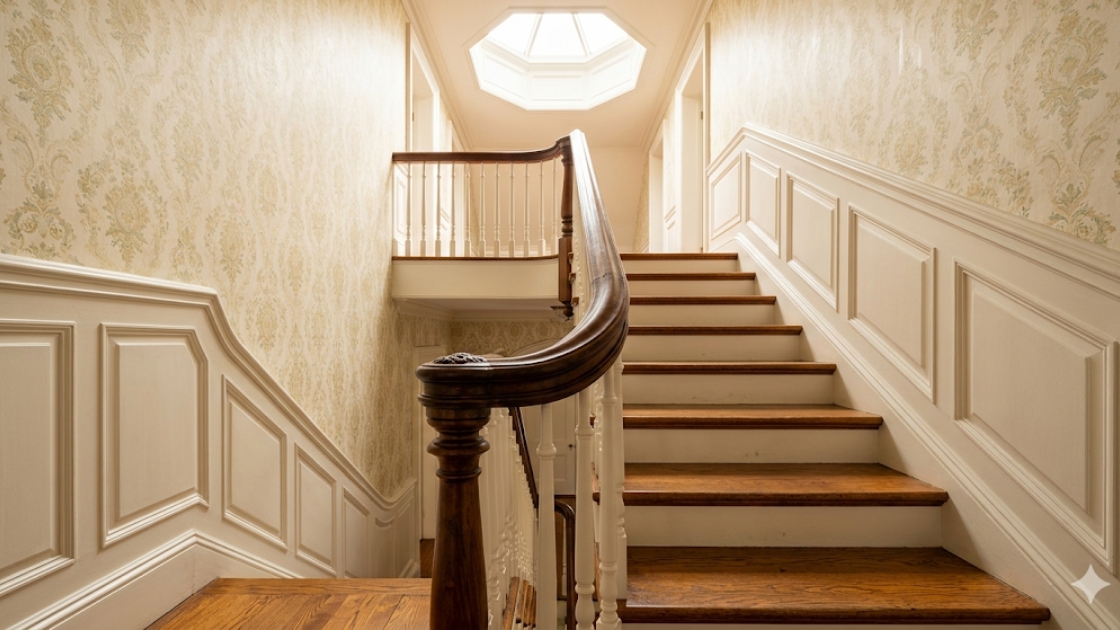
A Georgetown property that is part of a documented historic row, has an identified original architect, or carries notable former residents in its documented history will attract buyers who pay a meaningful premium for that connection. In 2025, a nearly 220-year-old Georgetown row house sold for $11.8 million, becoming one of the most expensive residential sales in the entire DC Metro area for that year. The historic character of the property, including its original wood floors and staircase and its position as part of the historically significant Cox’s Row, was central to the sale narrative and price.
Not every Georgetown seller is dealing with an $11 million property. But the principle applies across the price spectrum: documented history, preserved original features, and a clear connection to Georgetown’s architectural heritage give sellers a positioning advantage that comparables with less documented history cannot replicate.
Beyond Georgetown: Historic Character Across Northwest DC
Spring Valley, Wesley Heights, and Kent are home to large Colonial Revival and Georgian-style estate homes built primarily in the 1920s through 1940s. Buyers in these neighborhoods are often highly educated about what they are purchasing and place real value on period-appropriate details, lot positioning, and architectural integrity.
Foxhall Village, designed in the 1920s as one of DC’s earliest planned residential neighborhoods, features one of the most intact collections of Tudor Revival rowhouses in the city. A property in Foxhall Village that retains its original facade, roofline, half-timbering details, and slate roof is worth more to the right buyer than a comparable-sized property that has been altered or obscured over the decades.
Kalorama and Sheridan-Kalorama, historically home to ambassadors, senators, and presidents, carry extraordinary provenance. In neighborhoods like these, a property with documented notable occupants or a connection to significant historical moments commands attention from buyers who are as interested in the story as they are in the square footage.
Woodley Park, Cleveland Park, and Palisades each have their own architectural traditions, ranging from Wardman-era apartment buildings and large Queen Anne homes to modest craftsman bungalows. In each case, authentic historic character preserved in good condition is worth more than the same home modernized without sensitivity to its original design.
What DC Metro Buyers Actually Pay a Premium For
Understanding what specifically drives premium pricing in Northwest DC helps sellers make smart decisions about what to emphasize and what to preserve.
Original Architectural Details
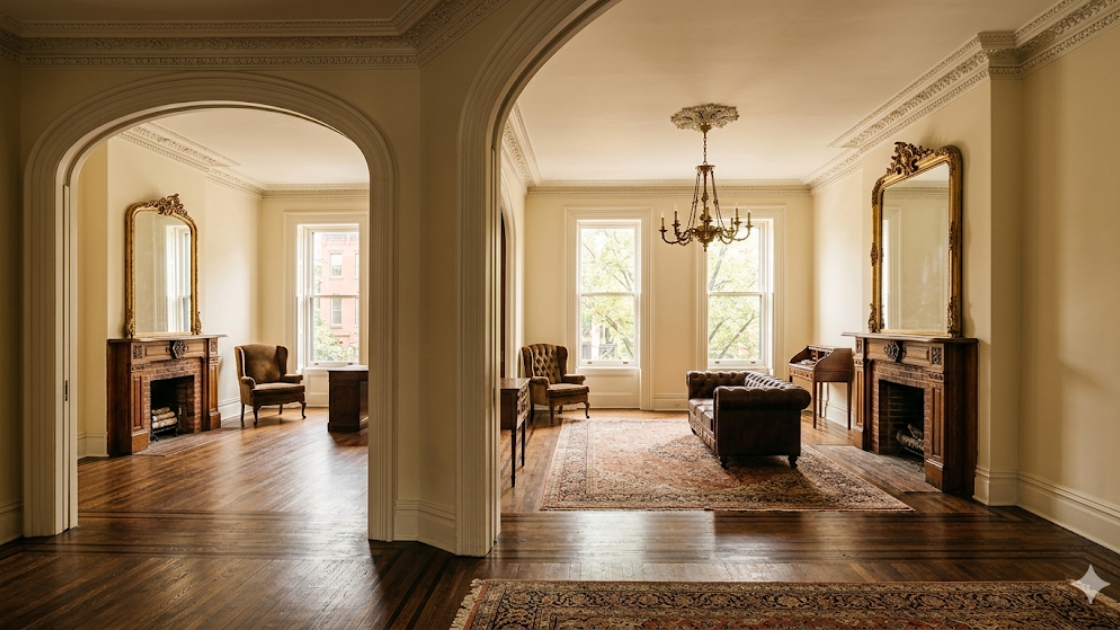
Buyers consistently respond to original details that have survived intact: hardwood floors in good condition, plaster crown molding and millwork, original wood-paneled built-ins, historic fireplaces with original surrounds, original hardware on doors and windows, and distinctive facade elements like original brick, stone, or decorative tile work. These details signal authenticity in a way that even the most skilled reproduction cannot fully replicate.
A common mistake sellers make is assuming that modernizing these features adds value. In the Northwest DC market, covering original hardwood with tile, removing original crown molding, or painting original wood millwork in a way that obscures the material can actually reduce value. Buyers who are specifically seeking historic homes in neighborhoods like Georgetown or Spring Valley are often willing to accept a kitchen that is not yet updated in exchange for untouched period details elsewhere in the home.
Documentation and Provenance
Buyers are more likely to pay a premium for a home when they know something specific about it. A property where the seller can provide original architectural drawings, historic photographs, records of original ownership, documentation of the architect or builder, or any notable history related to the property has a more compelling story to tell than one without that context.
If you do not have this documentation, it is often possible to find it. The Library of Congress holds extensive collections of historical Washington DC architectural photography and records. The DC Office of Planning and the Historical Society of Washington DC also maintain records that can reveal a great deal about a property’s origins.
Lot Size and Position
In Northwest DC, where many streets were originally platted in the 19th and early 20th centuries, lot configuration is part of a home’s historic character. Large corner lots, properties with original carriage houses or outbuildings, and homes with positioning that reflects the original street plan of the neighborhood carry value that is tied to the history of how the neighborhood was designed.
Historic District Status
A property within a formally designated historic district benefits from the protection that designation provides. Exterior changes require review by the DC Historic Preservation Review Board, which means the historic character of the neighborhood is actively maintained. Buyers who pay a premium for historic character are also paying for the assurance that the neighborhood’s character will be protected going forward.
Understanding Historic Designation in Northwest DC
It is worth understanding the distinction between different types of historic designation, because they affect what you can and cannot do with a property and how buyers perceive them.
Properties within a DC Historic District are subject to oversight by the Historic Preservation Office for exterior changes visible from the street. Interior changes typically do not require HPO review. Properties individually listed on the National Register of Historic Places may qualify for federal historic tax credits if the owner undertakes a certified rehabilitation. Properties that are locally designated carry the most direct regulatory protections.
If your home is within or potentially within a historic district, the DC Historic Preservation Office website is the primary resource for understanding what that means for your sale and for buyers who are considering renovations. This is also an area where your real estate advisor should be knowledgeable, because the implications of historic designation differ meaningfully from one property to the next.
Translating History Into Marketing
A home’s history does not sell itself. The work is in presenting that history in a way that is specific, credible, and emotionally resonant for buyers who are ready to appreciate it. This is where the listing strategy matters enormously.
Preparing your Northwest DC home for sale when its value is partly historical requires a different approach than staging a newer home. The goal is not to make the property look new. The goal is to make its authentic character shine as clearly as possible.
Practically, that means:
- Professional photography that captures original details in natural light, including close-up shots of millwork, floors, hardware, and architectural features
- Listing copy that tells the home’s story specifically, not generically, naming the architectural style, the approximate construction date, any notable history, and specific original features
- A property narrative document or marketing brochure that gives buyers the historical context in a readable, engaging format
- Targeted outreach to buyers and buyer’s agents who specialize in DC historic properties
- Accurate disclosure about what is original versus what is a later addition or modification
Preserving Historical Features Adds Real Value
If you are considering any work on your home before selling, let the goal of historical preservation guide your decisions. Restoring original features is almost always a better investment in Northwest DC than replacing them with modern alternatives. Refinishing original hardwood floors returns more value than installing new flooring. Repointing original brick returns more than residing the exterior. Restoring original windows, where feasible, is often more valuable to a historically minded buyer than installing replacement windows that are technically more efficient but visually inconsistent with the home’s character.
Before committing to any pre-sale work, a pre-listing inspection is a smart investment that helps you understand what genuinely needs attention versus what is cosmetic. In a historic home, you want to be confident about the structural and mechanical condition before buyers begin asking questions.
When History Works Against You: What to Watch For
Not every aspect of a home’s age is an asset. Being honest about the distinction is important for pricing accurately and avoiding problems under contract.
Older plumbing, outdated electrical systems, knob-and-tube wiring in pre-1940 homes, and oil-based heating systems are common in the Northwest DC older housing stock. These are things buyers and their inspectors will look for and factor into their valuation. A historic home with beautifully preserved original details but aging mechanicals needs to be priced to reflect both the premium the historic character commands and the practical reality of what the next owner will need to address.
The goal is honest, strategic positioning, not overselling. A buyer who feels they paid a fair price for a property with known conditions will be a happy buyer who closes. A buyer who feels the history was used to obscure practical concerns will create problems that derail the transaction or generate post-closing disputes.
Frequently Asked Questions
Can my home’s history actually support a higher asking price in Northwest DC?
Yes, when it is presented specifically and accurately. Documented history, preserved original details, and historic district designation all contribute to buyer willingness to pay a premium compared to a comparable property with less documented character. The key is presenting that history in a credible, specific way that resonates with buyers who are seeking it.
What if my home is in a historic district but I have made modern updates?
Modern updates are not necessarily a problem. Kitchens and bathrooms updated in keeping with the home’s character can make a property more appealing. The challenge arises when updates have obscured or removed original features that buyers in your price range would have valued. Your agent can help you assess the net impact of your specific updates on the positioning of the home.
Where can I find records about my home’s history?
The DC Office of Planning, the Historical Society of Washington DC, the Library of Congress, and online deed and permit records through the DC Recorder of Deeds are all useful resources. Your real estate advisor may also have access to marketing resources that can help compile a compelling property history narrative.
Does historic designation limit what buyers can do with the property after purchase?
In DC, formal historic designation primarily affects exterior changes visible from the street, not interior renovations. Buyers considering significant renovations or additions in a historic district should consult with the DC Historic Preservation Office before finalizing their plans. This is a factor your agent should be able to explain during showings.
Is a Wardman rowhouse worth more than a non-historic home of similar size?
In established Northwest DC neighborhoods, authentically preserved Wardman-era rowhouses often command a premium over comparable properties without that architectural character, particularly when the original brick facades, rooflines, and interior details are intact. The premium varies by neighborhood and specific condition.
How do I know if my Northwest DC home qualifies as historic?
The DC Historic Preservation Office maintains maps and records of historic districts throughout the District. You can also search the DC tax and property records database or consult an agent familiar with Northwest DC’s historic districts to determine whether your property falls within a designated area.
Should I restore original features before selling or disclose their condition?
Restoring original features in good condition almost always returns value in the Northwest DC market. If features are damaged or deteriorated beyond practical restoration, disclosing their condition and pricing accordingly is the appropriate approach. Work with your agent to assess which investments make sense relative to your timeline and sale goals.
How does a historic home’s pricing differ from a comparable newer home?
In Northwest DC, a well-preserved historic home in good condition in a desirable historic district often commands a per-square-foot premium compared to a newer or significantly altered property of similar size. The premium is highest when the original details are intact, the location is strong, and the property’s history is well-documented and clearly communicated to buyers.
Do buyers from outside DC understand the value of historic homes here?
Buyers relocating to DC from other major markets often arrive with a strong appreciation for authentic historic architecture. What may be exceptional in other cities is relatively common in Northwest DC, which means your marketing needs to be specific and compelling about what makes your particular property’s history meaningful, not just that it is old.
The Final Word
In Northwest DC, history is not a footnote to your home’s listing. For the right buyer, it is the reason they are interested at all. The sellers who achieve top-of-market results in Georgetown, Kalorama, Spring Valley, Wesley Heights, and across the Northwest corridor are the ones who treat their home’s architectural character as a core part of the listing strategy, not an afterthought. Know your home’s story, document it, preserve what matters, and present it with the confidence that comes from working with an advisor who understands what Northwest DC buyers are actually looking for.
If you are preparing to sell in Northwest DC and want to talk through how your home’s history can be positioned to support the strongest possible price, I am glad to connect.
About Matt Cheney
Matt Cheney is a top-producing real estate advisor with Compass in Washington, DC, guiding buyers and sellers across DC, Maryland, and Virginia through high-stakes moves, from luxury sales to estate settlements, downsizing, and divorce-related transactions. With over $779 million in career sales volume and 22 years of experience, including more than two decades working on complex and sensitive real estate situations, Matt is known for calm, strategic guidance and brings hundreds of successful sales to clients seeking clarity and support during life transitions.