

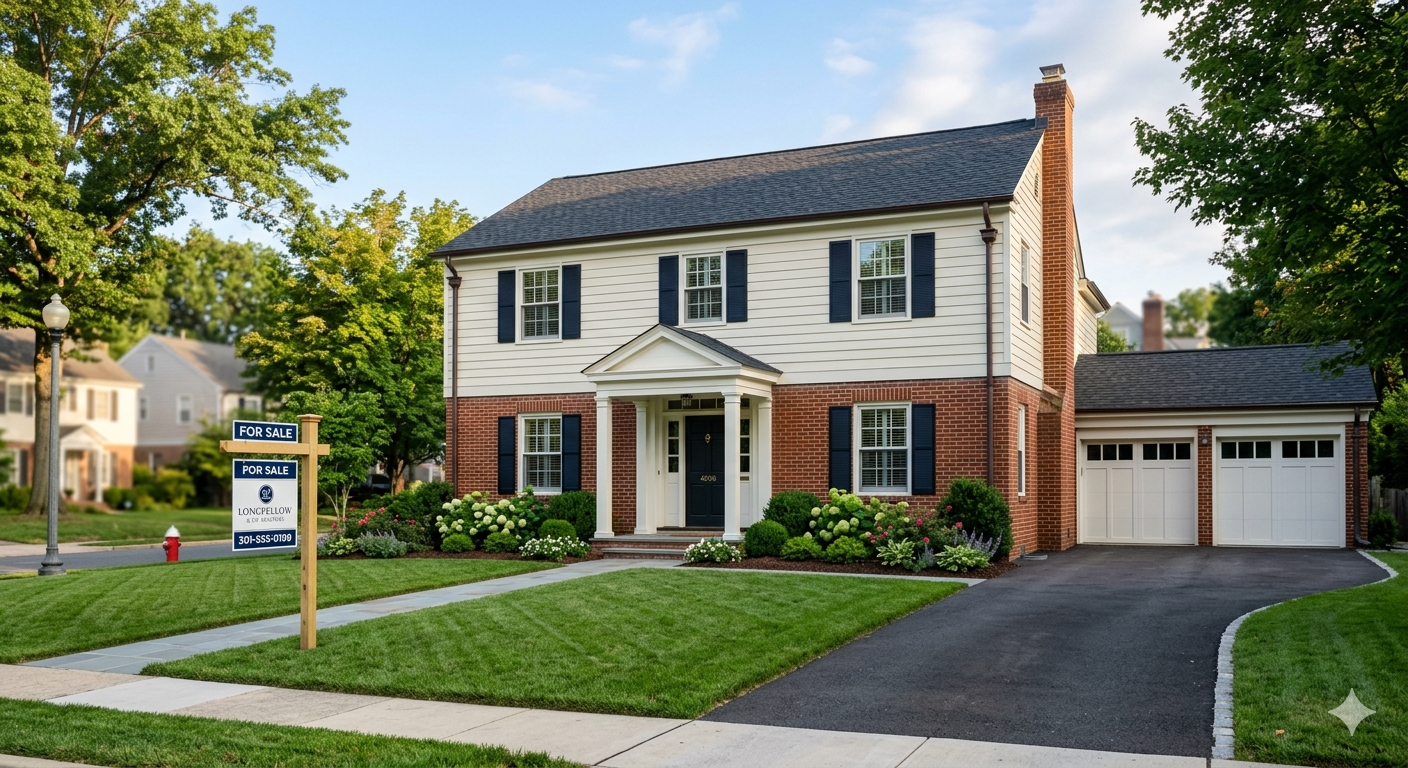
How long a home takes to sell depends heavily on pricing strategy, preparation quality, and current market conditions.
One of the first questions most sellers ask is how long this is going to take. The answer depends on more factors than most people expect, and metro-wide averages can be misleading when your home is in a specific neighborhood at a specific price point. Here is a more grounded way to think about the timeline.
What the Timeline for Selling a DC-Area Home Actually Looks Like
The process of selling a home has several distinct phases, and each one takes time.
Before the home goes on the market, most sellers spend two to six weeks preparing. This includes any repairs or updates, professional staging, photography, and the logistical work of getting disclosures and marketing materials ready. Rushing this phase rarely pays off.
Once listed, a well-priced home in a strong DC metro neighborhood can receive offers within the first week to ten days. In some markets and price points, homes are under contract within days. In others, it may take two to four weeks to find the right buyer. Homes that are overpriced or need significant work typically sit longer, often requiring a price adjustment before generating serious interest.
What Affects How Long Your Home Will Take to Sell
Several factors have the biggest influence on your timeline.
- Pricing. This is the single most important factor. A home priced correctly generates early interest and competitive offers. A home priced too high sits and accumulates days on market, which tends to make buyers more cautious rather than less.
- Condition and presentation. Homes that are clean, well-maintained, professionally photographed, and properly staged tend to sell faster than those that feel dated or cluttered, regardless of the underlying structure.
- Neighborhood and price point. Demand varies significantly by area and price range. A mid-priced home in a high-demand neighborhood like Bethesda or Arlington may move faster than a luxury home in a market with limited buyer depth. Days-on-market figures shift with inventory and interest rate conditions, so buyers and sellers should review current local data or contact Matt directly for a current market analysis reflecting conditions at the time of their transaction.
- Market conditions. In a strong seller’s market, well-positioned homes move quickly. In a more balanced or buyer-friendly market, timelines stretch and sellers need to work harder for the same result.
- Time of year. Spring is typically the busiest season for DC-area real estate, but well-prepared homes sell in every season. Fall and early winter can produce strong results for sellers who face less competition.
What Sellers Can Do to Control the Timeline
You cannot control the market, but you can control how you enter it. Sellers who invest in proper preparation, price their home based on current data rather than what a neighbor got two years ago, and work with an agent who has strong marketing reach tend to have shorter, cleaner timelines than those who cut corners on any of those fronts.
One of the most common delays sellers create is taking too long to decide on an asking price. The longer that decision drags out, the later you get to market, and in a seasonal market, timing matters. Moving through the preparation phase with a clear plan keeps your timeline on track.

A well-prepared home tends to generate faster and stronger buyer interest regardless of broader market conditions.
How Matt Cheney Manages the Timeline for His Sellers
Matt Cheney works with sellers across DC, Maryland, and Virginia to make the pre-listing process as efficient as possible. With 23+ years in the market and a clear system for getting homes ready and to market, he helps sellers avoid the common delays that stretch timelines unnecessarily. He also provides honest, data-driven pricing guidance so sellers enter the market in a position to generate early activity rather than waiting and adjusting.
Frequently Asked Questions
How long does it take to sell a home in Washington, DC?
A well-priced, properly prepared home in a strong DC neighborhood can go under contract in one to three weeks. The full timeline from listing to closing typically runs 45 to 75 days depending on the settlement period negotiated with the buyer.
Does selling in spring really make a difference in DC?
Spring tends to produce the most buyer activity, which may support faster sales and sometimes stronger buyer response depending on the home, price point, and market conditions at the time. Homes sell year-round in the DC area, and a well-positioned home in the fall or winter often faces less competition from other sellers. Results vary depending on the property and current market conditions.
How long does a home inspection and settlement process take in Maryland or Virginia?
Why is my home sitting on the market longer than I expected?
The most common reasons are overpricing, condition issues that buyers are picking up on, or presentation problems that are keeping buyers from engaging. A candid conversation with your agent about what the market is telling you is usually the most useful next step.
Should I take my home off the market and relist it?
Sometimes relisting after a clear change, a price adjustment, meaningful updates, or a new approach to marketing can help reset buyer perception. But relisting for its own sake without addressing the underlying reason the home did not sell rarely produces a different result.
Final Word
How long it takes to sell your home is largely within your control. The sellers who move through the process most efficiently are the ones who price correctly, prepare well, and work with an agent who has a clear plan and the market experience to execute it. If you are thinking about selling in DC, Maryland, or Virginia and want to understand what a realistic timeline looks like for your specific situation, contact Matt directly for a current market analysis based on your home and your neighborhood. You can also explore recent listings and seller resources at mattsold.com and review Matt’s approach to pricing and preparation at mattsold.com/selling.
You can explore Matt’s seller resources and recent activity at mattsold.com, and review his approach to pricing strategy and market preparation at mattsold.com/selling.
About Matt Cheney
Matt Cheney is a top-producing real estate advisor with Compass in Washington, DC, guiding buyers and sellers across DC, Maryland, and Virginia through high-stakes moves, from luxury sales to estate settlements, downsizing, and divorce-related transactions. With over $780 million in career sales volume and 23+ years of experience, Matt is ranked in the Top 1.5% of agents nationally by RealTrends America’s Best. He is known for calm, strategic guidance and a straightforward approach to complex and sensitive real estate situations.
Matt Cheney | Compass Real Estate is committed to the principles of the Fair Housing Act and the Equal Opportunity Act. All real estate services are provided without regard to race, color, national origin, religion, sex, familial status, or disability.
Real estate considerations related to divorce or estate matters involve legal and financial complexities. Consult a qualified attorney and financial advisor for guidance specific to your situation.