

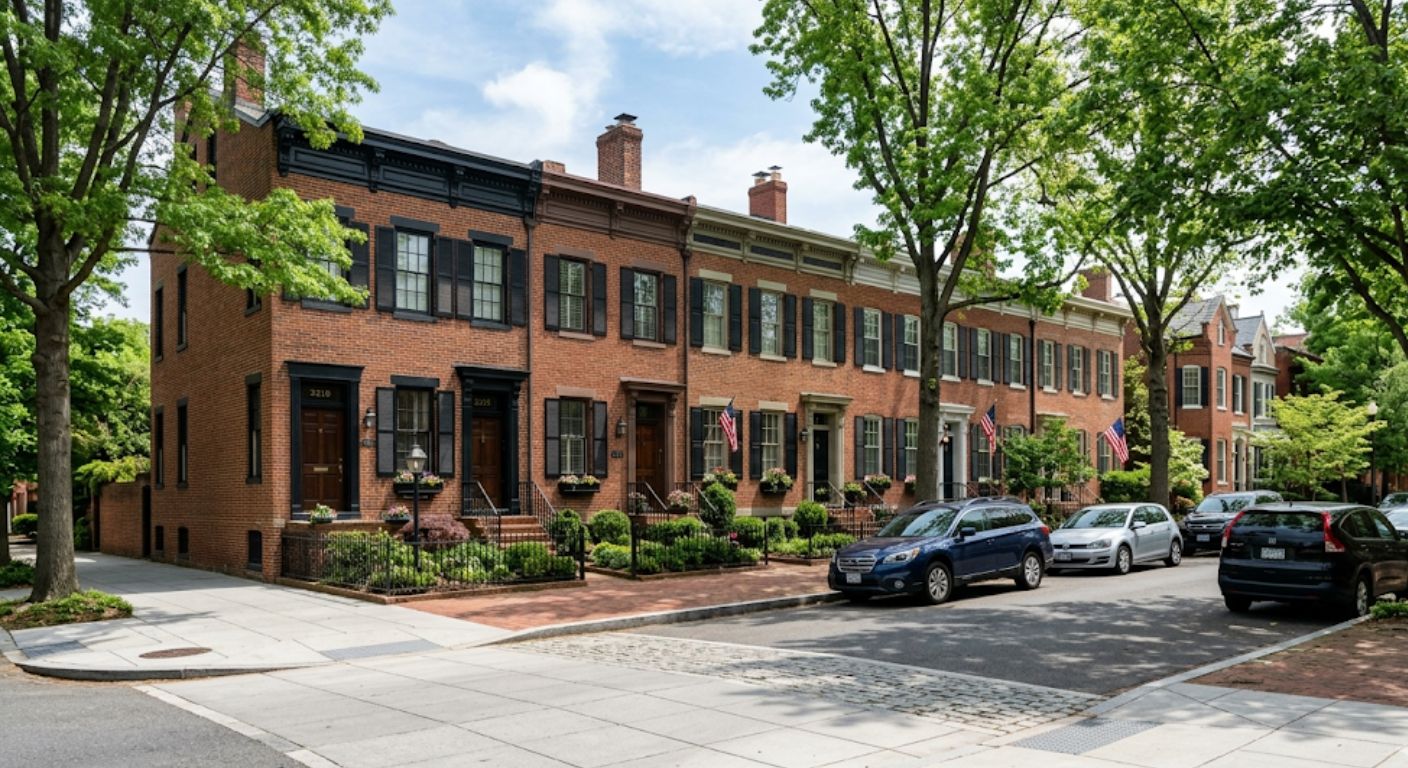
Interest rates affect how much buyers can borrow and how sellers need to think about pricing, but the DC metro market has historically shown resilience across rate cycles.
Interest rates get talked about a lot in real estate, sometimes in ways that are more alarming than useful. The reality is that rates shape the market, but they do not determine it. Buyers and sellers in the DC metro area have made successful transactions across a wide range of rate environments. The key is understanding what changes and what does not when rates shift.
Here is a clear look at how interest rates actually affect buyers and sellers in Washington, DC, Maryland, and Virginia.
How Rates Affect What Buyers Can Afford
The most direct effect of interest rates on buyers is purchasing power. When rates are higher, the monthly payment on a given loan amount is higher, which means buyers can borrow less for the same monthly budget. When rates drop, the same monthly payment supports a larger loan.
For example, a meaningful rate difference of even half a percent can affect how much home a buyer qualifies for and what their monthly payment looks like over the life of the loan. Buyers who understand this go into their search with realistic expectations about what their budget actually supports at current rates.
This is one reason why buyers who have been waiting for rates to drop sometimes find that the market does not behave the way they expected when rates finally fall. If rates drop enough to meaningfully improve affordability, more buyers tend to come into the market at once, which can push prices up and create more competition for available properties.
How Rates Affect Seller Decisions
On the seller side, rates affect how many buyers are actively looking at any given time and how aggressively they are willing to compete for the right property.
When rates are high, some buyers pull back from the market or reduce their price range. Sellers may see fewer showings and longer time on market in some segments, and pricing accuracy becomes more important. A well-priced home in good condition can still sell well, but sellers cannot assume the same level of demand they might have seen in a lower-rate environment.
Rates also affect sellers who plan to buy their next home. A seller who locked in a low mortgage rate years ago may hesitate to give that up by selling and taking on a higher rate for a new purchase. This is one reason why inventory has stayed constrained in parts of the DC metro market in recent years, some potential sellers have simply decided to stay put rather than trade into a higher rate.
What Buyers Should Know About Rate Timing
Trying to time the market around interest rates is difficult and often counterproductive. Rates can change quickly based on economic conditions that are hard to predict. Buyers who wait for a specific rate before buying often find that by the time rates reach their target, home prices or competition have shifted in ways that offset the savings.
A more practical approach for most buyers is to buy when the combination of their personal readiness, financial position, and available inventory aligns, rather than waiting for a specific rate environment. Refinancing is always an option if rates drop meaningfully after purchase.
What Sellers Should Know About Rate Environments
Sellers operating in a higher-rate environment tend to succeed when they price accurately and present their home well. The buyers who are active in those conditions are serious, financially qualified, and motivated. They are not browsing. They are ready to move when they find the right property.
Pricing a home above what the market supports in a higher-rate environment tends to produce longer time on market and ultimately worse terms. Accurate pricing from the start is always important, but it becomes even more critical when buyer budgets are being squeezed by rates.
How Matt Cheney Helps Clients Navigate Rate Environments
Matt has worked through multiple rate cycles over his 22-plus years in the DC metro market. He has seen buyers and sellers make good and bad decisions in every kind of rate environment, and he understands how to advise clients based on what is actually happening right now, not on what the market looked like two years ago.
Whether rates are favorable or challenging, the core principles of a good real estate strategy stay consistent: accurate pricing, honest preparation, and decisions made with full information rather than wishful thinking.
Frequently Asked Questions
Do higher interest rates mean home prices will drop in the DC metro area?
Not necessarily, and not automatically. The DC metro market has historically been supported by a stable job market, government employment, and a consistent demand base. Higher rates can slow price growth or soften prices in some segments, but DC area prices have not responded to rate increases the same way less stable markets have. The relationship between rates and prices is real but not simple.
Should I wait for interest rates to drop before buying a home in DC?
For most buyers, waiting specifically for a rate drop is a risky strategy. If rates drop significantly, competition for homes typically increases, which can push prices up. Buying when you are financially and personally ready, regardless of the rate environment, and refinancing if rates fall later, is often a more practical approach than waiting for a specific number.
How do interest rates affect luxury home buyers in the DC metro area?
Luxury buyers are often less rate-sensitive than buyers in lower price ranges because they tend to have more liquid assets and may be paying cash or putting down a larger percentage. That said, rate changes can still affect how luxury buyers think about their overall financial position and how they time large purchases.
What is a rate lock and should DC buyers use one?
A rate lock is an agreement with your lender that holds your interest rate for a set period while your transaction closes. This protects you from rate increases between the time your offer is accepted and your closing date. Whether to lock and when to lock depends on your specific transaction timeline and what rates are doing. Your lender should advise on this based on current conditions.
How should sellers price their home when interest rates are higher?
The same way they should price in any market: accurately, based on comparable sales and current buyer demand, not based on what they hope to net. In a higher-rate environment where buyer purchasing power is reduced, overpricing tends to produce worse outcomes than in a rate environment where buyers have more flexibility. Honest pricing from day one tends to produce the best results.
Final Word
Interest rates are a real factor in the market, and understanding how they work makes you a more informed buyer or seller. But they are one factor among several, and they should not be the only thing driving your timing or strategy.
If you are thinking about buying or selling in the DC metro area and have questions about how the current rate environment affects your situation, that conversation is worth having early.
About Matt Cheney
Matt Cheney is a top-producing real estate advisor with Compass in Washington, DC, guiding buyers and sellers across DC, Maryland, and Virginia through high-stakes moves, from luxury sales to estate settlements, downsizing, and divorce-related transactions. With over $779 million in career sales volume and 22 years of experience, including more than two decades working on complex and sensitive real estate situations, Matt is known for calm, strategic guidance and brings hundreds of successful sales to clients seeking clarity and support during life transitions.