

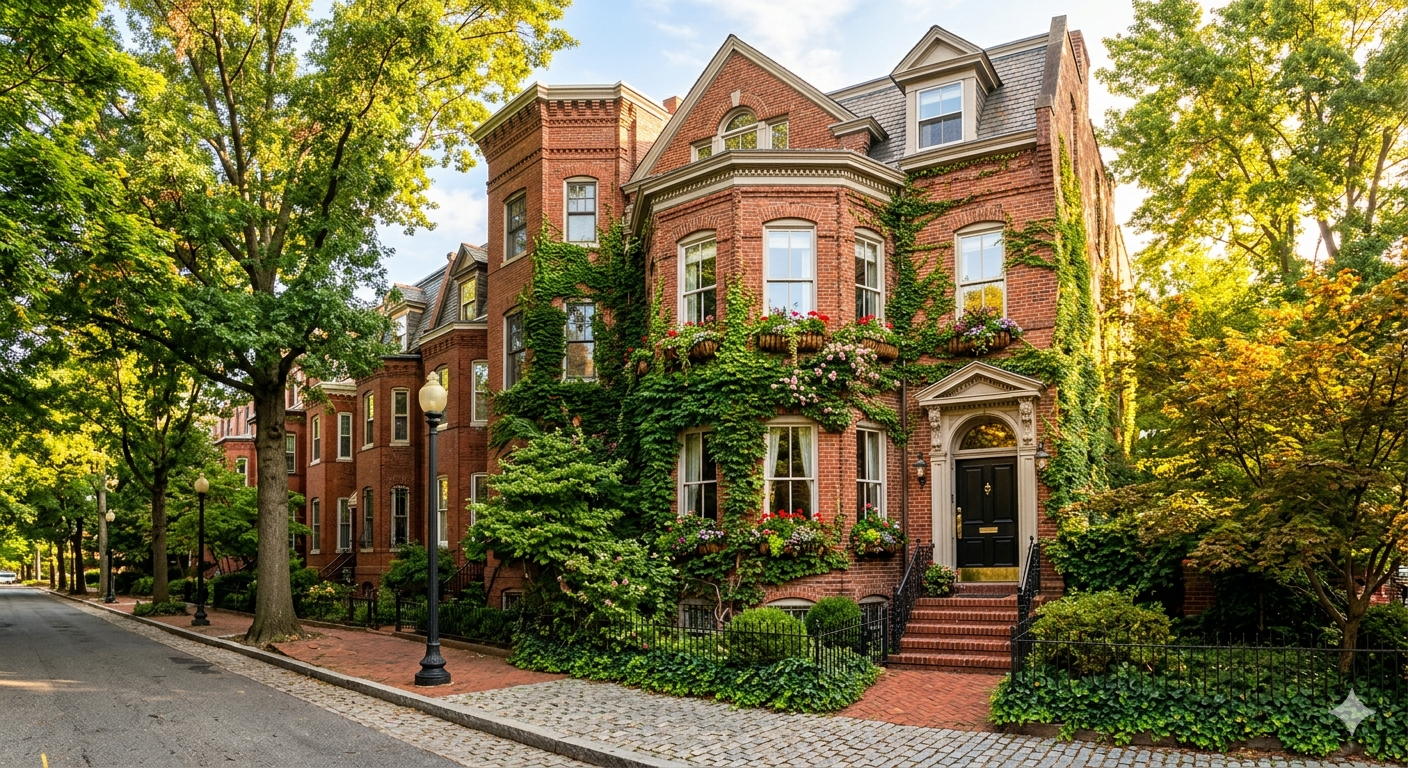
Georgetown is Washington, DC’s oldest neighborhood, and one of its most consistently in-demand. It sits along the Potomac River in the western part of the city, and its mix of Federal and Victorian architecture, tree-lined streets, and waterfront access has kept it near the top of the DC real estate market for generations.
If you are considering buying or selling in Georgetown, here is what the neighborhood looks like from a real estate standpoint and what you should expect from the process.
What Georgetown Offers That Other DC Neighborhoods Do Not
Georgetown’s main appeal comes from its permanence. The neighborhood has been sought after for a long time, and the fundamentals that make it attractive have not changed. The housing stock is largely historic, the commercial corridor along M Street and Wisconsin Avenue provides foot traffic and daily convenience, and the waterfront along the C&O Canal and the Potomac gives the neighborhood a sense of place that is hard to replicate.
In the real estate market, that translates to relatively stable demand. Georgetown buyers tend to be committed to the neighborhood and willing to pay accordingly. The market can move more slowly than some other parts of DC, but it also tends to hold value during downturns better than many comparable areas.
The housing stock includes Federal-style rowhouses, larger detached homes closer to Reservoir Road, condominium conversions in historic buildings, and a smaller number of newer construction properties. Each type comes with its own pricing considerations and buyer profile.
What Buyers Should Understand Before Purchasing in Georgetown
Georgetown is a historic district, which means exterior changes are subject to review by the Historic Preservation Review Board. Buyers who plan to make significant modifications to a property should factor that into their planning before making an offer. It is not a reason to avoid Georgetown, but it is something to understand clearly before signing a contract.
Parking is limited throughout the neighborhood, which matters to some buyers and not at all to others. Georgetown is highly walkable, and many residents rely less on a car than residents of other parts of the city. If off-street parking is important to your household, it needs to be a defined part of your property search from the start.
Older homes in Georgetown also tend to require more ongoing maintenance than newer construction. Buyers should expect to invest in mechanical systems, roofing, and windows over time. A thorough home inspection by an inspector familiar with historic properties is important before proceeding with any purchase.
What Sellers in Georgetown Should Know
Georgetown sellers have a real advantage in that the neighborhood has a loyal following. Buyers who want Georgetown tend to want it specifically, not as a fallback. That creates a motivated buyer pool when a property is priced well and presented in good condition.
Pricing in Georgetown requires an understanding of the specific block, property type, and condition. A Federal rowhouse on a quiet side street is priced differently from a larger detached home near Dumbarton Oaks. Both can perform well, but the comparable sales are specific to the sub-market and the property type. Using broad DC data to set the price for a Georgetown home is a mistake.
Presentation is important but should not be overdone. Georgetown buyers tend to be discerning, and the goal is a home that feels cared for and livable, not staged to appeal to the widest possible audience. A clean, well-maintained home that respects its original character will typically outperform one that has been renovated too aggressively.
You may also like: What are the most desirable neighborhoods for high-end homes in Washington DC, 5 of Washington DC’s Most Walkable Neighborhoods for Everyday Living, and Foxhall vs. Palisades: Which Northwest DC Neighborhood Is Right for You
How Matt Cheney Works with Georgetown Clients
Matt has been working in the Georgetown market for more than two decades. He knows the neighborhood street by street, understands what buyers are responding to right now, and works with both buyers and sellers to build a strategy grounded in what the market is actually doing.
For sellers, that means a pricing approach based on Georgetown-specific data, a presentation plan that respects the home’s character, and a marketing strategy that reaches buyers who are actively focused on this neighborhood.
For buyers, it means honest guidance on what Georgetown properties are worth, what to expect in a historic district, and how to navigate competitive situations when they arise.
Frequently Asked Questions
Is Georgetown DC a good place to buy a home right now?
Georgetown has historically held value well, and demand tends to remain relatively stable regardless of broader market conditions. For buyers who want one of DC’s most established and walkable neighborhoods, it continues to be a strong choice. The key is understanding what the market looks like at your price point and property type before starting your search.
What types of homes are available in Georgetown DC?
Georgetown has Federal and Victorian rowhouses, detached single-family homes, condominium conversions in historic buildings, and a small number of newer properties. Each type has its own considerations in terms of pricing, maintenance expectations, and resale strength.
How long does it take to sell a home in Georgetown DC?
Time on market varies depending on price, condition, and how well the home is positioned. Homes priced accurately and presented well tend to move faster. Georgetown’s buyer pool is relatively focused, which can work in a seller’s favor when everything else is in order.
Are there restrictions on renovating a home in Georgetown DC?
Yes. Georgetown is a historic district, and exterior changes typically require approval from the Historic Preservation Review Board. This applies to things like paint color, windows, additions, and structural changes to the exterior. Interior renovations are generally not subject to historic review.
What should I look for when buying a home in Georgetown DC?
Pay close attention to the condition of older systems, including roofing, plumbing, electrical, and HVAC. Review any permits on record for previous work done on the property. Also understand the constraints of the historic district before planning significant changes, so your expectations going in match what is actually permissible.
Final Word
Georgetown is a neighborhood with staying power. It draws buyers who know the city and want one of its most established addresses. For sellers, that creates a real opportunity when the home is prepared and priced thoughtfully. For buyers, it means understanding what you are getting into and working with someone who knows this specific market well enough to give you an honest read before you commit.
About Matt Cheney
Matt Cheney is a top-producing real estate advisor with Compass in Washington, DC, guiding buyers and sellers across DC, Maryland, and Virginia through high-stakes moves, from luxury sales to estate settlements, downsizing, and divorce-related transactions. With over $779 million in career sales volume and 22 years of experience, including more than two decades working on complex and sensitive real estate situations, Matt is known for calm, strategic guidance and brings hundreds of successful sales to clients seeking clarity and support during life transitions.