

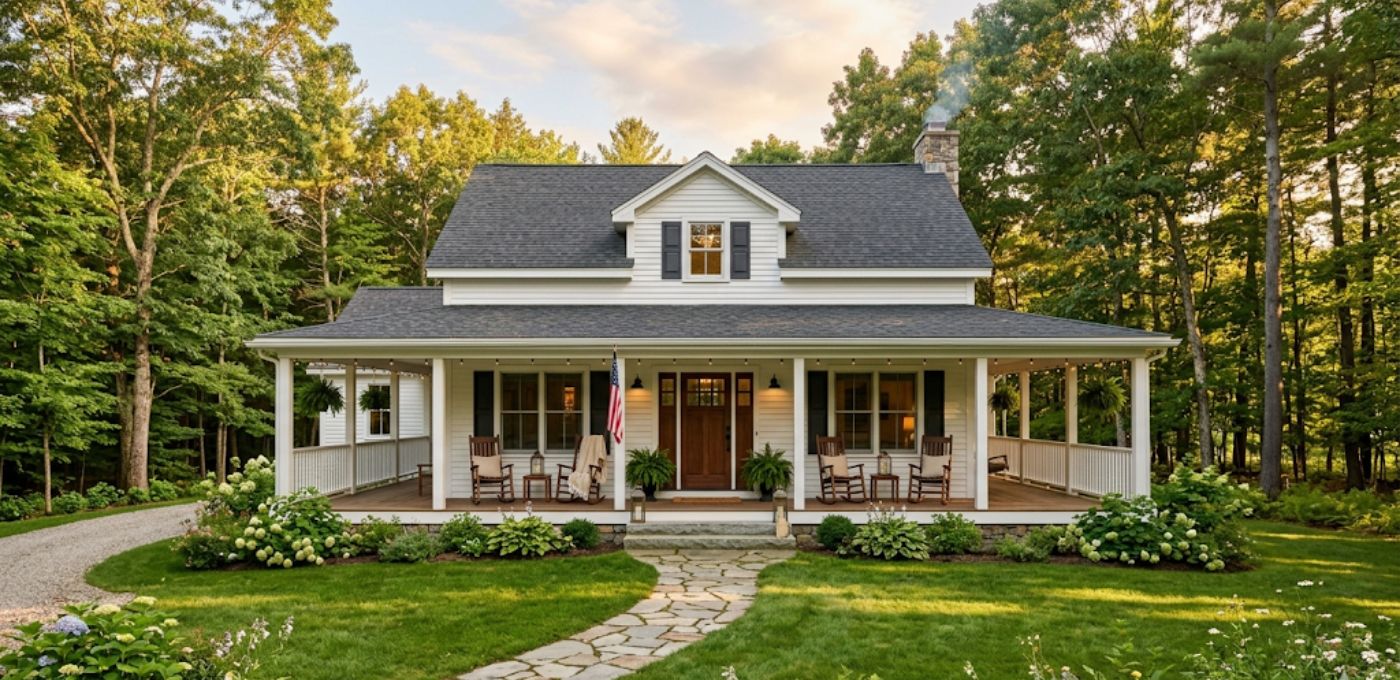
Many DC-area residents buy a second home within a two-hour drive to use on weekends and during the summer months.
Note: This post contains general information only and does not constitute legal or tax advice. Readers navigating divorce-related real estate should consult a licensed attorney. Tax considerations vary by individual circumstance; consult a CPA or tax advisor before making decisions.
Who Buys a Second Home Near Washington DC
The profile of a second-home buyer in the DC region is fairly consistent. Most are established residents of the city or inner suburbs who’ve reached a point in life where a weekend retreat makes practical sense. Some are approaching retirement and want a property outside the city that they can use more in the years ahead. Others are simply at a stage where the idea of getting out of DC on Friday afternoon and returning Monday holds real appeal.
A smaller group includes people who moved to DC from another city, still have ties there, and want a second home that connects them to where they came from. And a handful are buyers who never planned on a second home but found a specific property compelling enough to make it work.
What “Near DC” Actually Looks Like
The DC area gives second-home buyers a range of options within a two-hour drive:
The Virginia and West Virginia mountains. Middleburg and the hunt country of Loudoun County attract buyers who want land, privacy, and an equestrian lifestyle. The Shenandoah Valley and the mountains beyond offer properties with acreage at price points that are hard to find closer to the city.
Delaware and Maryland beach towns. Rehoboth Beach, Bethany Beach, and Ocean City draw DC buyers looking for beach access, though the price points and property types vary significantly across those markets.
The Northern Virginia and Maryland suburbs farther out. Some buyers simply want a second home on more land than they can find close in. Properties in Rappahannock County, the Maryland countryside, and other rural areas offer large lot options at prices that still feel reasonable compared to Northwest DC.
How Financing a Second Home Differs From a Primary
One of the first things buyers learn when shopping for a second home is that the financing rules differ from their primary residence. Lenders classify properties differently, and those classifications affect the terms of the loan.
A second home, in lending terms, is a property the buyer intends to occupy personally for at least part of the year. It’s not primarily a rental. Lenders treat second homes differently than investment properties, typically requiring a higher down payment and applying stricter underwriting standards than for a primary home.
Buyers should speak with a mortgage professional early in the process to understand exactly what’s required given their financial picture. The details vary by lender and loan program. A mortgage professional familiar with second-home lending in the DC market can explain how lenders evaluate these purchases based on your specific situation. Contact Matt directly at mattsold.com for a current market analysis and referrals to lenders experienced with DC-area luxury second home transactions.
What Luxury Buyers Should Think Through Before Deciding
A second home is a significant commitment. Before getting too far into the search, it’s worth being clear on a few practical questions:
How often will you actually use it? The appeal of a weekend home is real in theory. The reality of driving two hours after a long week is something buyers assess differently once they’ve owned the property for a year or two. Honest answers here prevent regret later.
What’s the maintenance situation? A second home that sits empty during the week needs a plan for maintenance, security, and upkeep. Properties in beach or mountain areas often have specific maintenance demands tied to climate and access. Factor that into the total cost before making a decision.
What happens if plans change? Life moves. A second home that works now may need to be sold in five or ten years. Understanding the resale market for that type of property in that specific area before buying is part of doing your homework.
How Matt Approaches Second Home Purchases for DC Buyers
Frequently Asked Questions About Buying a Second Home Near DC
How far from DC do most buyers look for second homes?
Properties farther out require more commitment in terms of travel time and tend to get used less frequently.
Is a second home the same as an investment property for lending purposes?
Not in the same category, though both require different treatment than a primary residence. A second home typically requires a larger down payment and stricter qualification standards than a primary, but has different requirements than a property classified as an investment or rental. A mortgage professional can explain the distinctions based on how you intend to use the property.
Do second home buyers in the DC area typically rent out their properties?
Some do and some don’t. If you plan to rent the property regularly, that changes both the financing category and the tax considerations. Buyers who intend to rent should discuss that with a lender before applying for a loan, since the classification affects what programs are available and at what terms. Tax questions are best directed to a CPA who handles real estate.
This is general information, not tax advice. Tax treatment varies by ownership structure, use, timing, and personal circumstances. Speak with a CPA or tax advisor before making decisions.
What type of second home holds its value best near DC?
That depends heavily on the specific location, property type, and condition. Waterfront properties on the Eastern Shore, well-positioned properties in established resort areas, and homes with unique land or character tend to hold their value well. Generic properties in areas with high turnover or significant new development can be harder to predict. Understanding the resale market in any specific area before buying matters.
About Matt Cheney
Matt Cheney is a top-producing real estate advisor with Compass in Washington, DC, guiding buyers and sellers across DC, Maryland, and Virginia through high-stakes moves, from luxury sales to estate settlements, downsizing, and divorce-related transactions. With over $780 million in career sales volume and 23+ years of experience, Matt is ranked in the Top 1.5% of agents nationally by RealTrends America’s Best. He is known for calm, strategic guidance and a straightforward approach to complex and sensitive real estate situations.
Matt Cheney | Compass Real Estate is committed to the principles of the Fair Housing Act and the Equal Opportunity Act. All real estate services are provided without regard to race, color, national origin, religion, sex, familial status, or disability.
Real estate considerations related to divorce or estate matters involve legal and financial complexities. Consult a qualified attorney and financial advisor for guidance specific to your situation.